
ISLAMABAD, Dec 11 (APP):Minister of State for Federal Education & Professional Training, Ms. Wajiha Qamar, on Thursday emphasized national ownership, capacity building, and improved communication as key drivers for strengthening higher education and socio-economic development in Balochistan during the second day of the Higher Education Commission’s (HEC) Strategic Planning and Innovation Workshop for Vice Chancellors and Pro-Vice Chancellors. The workshop, arranged by National Academy of Higher Education (NAHE) at HEC, …
Wajiha Qamar leads discussions on education, peace & sustainable development during workshop for Balochistan universities
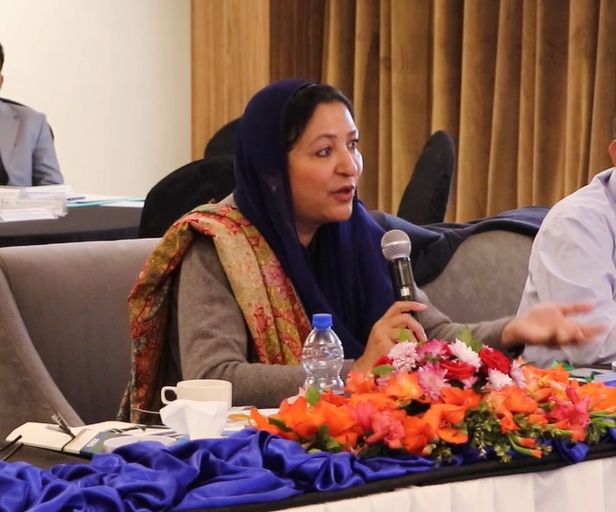
ISLAMABAD, Dec 11 (APP):Minister of State for Federal Education & Professional Training, Ms. Wajiha Qamar, on Thursday emphasized national ownership, capacity building, and improved communication as key drivers for strengthening higher education and socio-economic development in Balochistan during the second day of the Higher Education Commission’s (HEC) Strategic Planning and Innovation Workshop for Vice Chancellors and Pro-Vice Chancellors.
The workshop, arranged by National Academy of Higher Education (NAHE) at HEC, focuses on strengthening institutional capacity, fostering leadership, and promoting collective ownership to address Balochistan’s higher education challenges.
Qamar opened her remarks by highlighting the positive energy she consistently experiences when engaging with stakeholders from the province. She noted that bringing provincial representatives together allows for collective discussion of key challenges.
She also stressed that Balochistan’s potential requires stronger media representation to counter misperceptions and bridge communication gaps.
Acknowledging long-standing provincial challenges, the Minister highlighted infrastructural and access issues and noted that communication barriers often hinder collaboration between federal and provincial institutions.
She expressed hope that such workshops provide a space to discuss, understand, and resolve these issues collectively.
Qamar emphasized that the federal government continues to prioritize the province, especially in capacity building and scholarship facilitation.
She voiced concern that scholarships allocated for Balochistan often remain unutilized, not due to a lack of talent, but because students from remote areas face language, presentation, and standardized-test barriers compared to peers from urban centers.
She reaffirmed the government’s commitment to providing targeted support, skill development, test preparation, and communication training, encouraging vice chancellors to ensure full utilization of both local and international scholarships.
The Minister also announced special initiatives for Balochistan’s public universities in collaboration with the Pakistan Poverty Alleviation Fund.
She highlighted the establishment of Business Incubation Centers in all universities to help students, particularly from remote districts, transform ideas into impactful ventures. She urged universities to expand opportunities for women beyond traditional short courses and promote modern technical and vocational training, including non-traditional fields such as motor mechanics.
On national security and social cohesion, Ms. Qamar emphasized the Ministry’s collaboration with the Ministry of Interior and development partners, including PPAF, to prevent violent extremism.
She underscored the importance of communication, awareness, and open dialogue to ensure youth do not fall prey to misinformation or harmful narratives, highlighting universities’ role in guiding students and upholding Pakistan’s founding principles.
She urged vice chancellors to foster open communication within campuses, ensuring transparency in addressing institutional needs and student concerns. Representing the federal government, she assured full cooperation, federal support, and personal engagement during future visits to universities across Balochistan.
Following her remarks, the Minister of State led a special session with distinguished experts to broaden discussions on peacebuilding, social resilience, and sustainable development in Balochistan.
Dr Muhammad Zia-ul-Haq, Director General of the Islamic Research Institute at the International Islamic University Islamabad, spoked on developing a national peace narrative and the role of academic institutions in promoting harmony.
Syed Arsalan, Head of Counter-Terrorism at the United Nations Office on Drugs and Crime, discussed the transformative potential of social enterprises in creating economic opportunities and reducing youth vulnerabilities.
Khurram Shehzad, Head of Programmes in Special Initiatives at the Pakistan Poverty Alleviation Fund, highlighted PPAF’s role in sustainable development and building brighter futures across the province. The session linked higher education with national security, social empowerment, and long-term development.
Dr Noor Amna, Managing Director NAHE expressed gratitude to the Minister of State Ms. Wajiha Qamar for facilitating a collaborative and insightful session. She highlighted the importance of continued engagement between the federal government, universities, and development partners to strengthen higher education in Balochistan and build institutional capacity for sustainable development.

