ISLAMABAD, Jan 13 (APP): The recent statements by former US envoy Zalmay Khalilzad have once again stirred debate around the Doha Agreement and Pak- Afghan relations. By questioning Pakistan’s interpretation of the Doha agreement and suggesting that Islamabad bears responsibility for initiating new security arrangements with Kabul, Khalilzad has downplayed documented security concerns and has tried to shift focus away from the unfulfilled commitments of the Taliban. His remarks, have …
Security is not a talking point
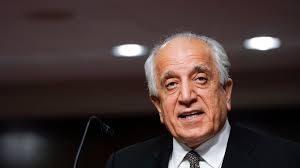
ISLAMABAD, Jan 13 (APP): The recent statements by former US envoy Zalmay Khalilzad have once again stirred debate around the Doha Agreement and Pak- Afghan relations.
By questioning Pakistan’s interpretation of the Doha agreement and suggesting that Islamabad bears responsibility for initiating new security arrangements with Kabul, Khalilzad has downplayed documented security concerns and has tried to shift focus away from the unfulfilled commitments of the Taliban. His remarks, have revived a familiar pattern of selective interpretation, one that overlooks international assessments, ignores regional realities, and underestimates Pakistan’s long-standing clarity and experience in counterterrorism.
Zalmay Khalilzad is repeatedly resorting to misleading assertions. The Doha Agreement was a framework of understanding primarily between US and the Taliban, and its core obligations, especially preventing terrorist groups from using Afghan soil, were explicitly Afghan responsibilities, not regional ambiguities to be reinterpreted later.
Pakistan is not the only country that has raised concerns about violations of the Doha Accord. Multiple international actors, including US lawmakers and UN bodies, have publicly stated that Taliban commitments under Doha have been weakened rather than fulfilled since August 2021.
During a recent hearing of the US House Foreign Affairs Subcommittee on South and Central Asia, Chairman Bill Huizenga explicitly questioned the Taliban’s failure to sever ties with terrorist groups and highlighted the continued presence of UN-designated terrorists inside Afghanistan, directly contradicting the spirit of the Doha Accord.
Congressional testimonies, State Department assessments, and UN briefings have repeatedly noted that groups such as TTP and Al-Qaeda enjoy operational space in Afghanistan, an outcome that runs counter to Taliban assurances given in Doha.
Pakistan has no misunderstanding when it comes to terrorism. It has fought a sustained war against terrorism for more than two decades, suffering over 80,000 casualties and massive economic losses while dismantling networks that threatened both regional and global security.
Pakistan has complied with all major regional and international counterterrorism frameworks, including FATF requirements, UN Security Council resolutions, and bilateral intelligence cooperation mechanisms. Its counterterrorism credentials are well documented and do not require validation from individuals with no credible standing in contemporary policy circles.
No agreement exists between Afghanistan and Pakistan under which Pakistan has accepted third-state mediation on ISKP or related security issues. Such claims are entirely unfounded and disconnected from established diplomatic positions.
ISIS has never been an existential or unresolved problem for Pakistan. Through sustained intelligence-based operations, arrests, and kinetic actions, Pakistan’s security forces have crippled ISKP’s operational capability inside the country, leaving no rationale for external mediation.
Khalilzad’s silence on the recent UN Sanctions and Monitoring Committee report is surprising. The report provides credible assessments of permissive safe havens and freedom of movement for terrorist groups inside Afghanistan, facts that directly undermine narratives about Taliban compliance.
Such selective commentary from a former senior official, while ignoring authoritative UN findings, is not only surprising but misleading. Durable peace between Pakistan and Afghanistan requires acknowledgment of ground realities, not the recycling of narratives that absolve violators and shift blame onto victims of terrorism.