M Atif Ismail MULTAN, Mar 09 (APP):The use of hormone injections (oxytocin) to increase milk production in dairy animals is raising serious concerns among livestock experts, who warn that repeated and unnecessary use can harm animal health and reduce milk quality. Farmers in several rural areas used injections such as Oxytocin to force animals to release milk quickly. While the method may provide temporary benefits, said senior veterinary officer Dr …
Milk Increase: Hormone injections threaten dairy animal health
M Atif Ismail
MULTAN, Mar 09 (APP):The use of hormone injections (oxytocin) to increase milk production in dairy animals is raising serious concerns among livestock experts, who warn that repeated and unnecessary use can harm animal health and reduce milk quality.
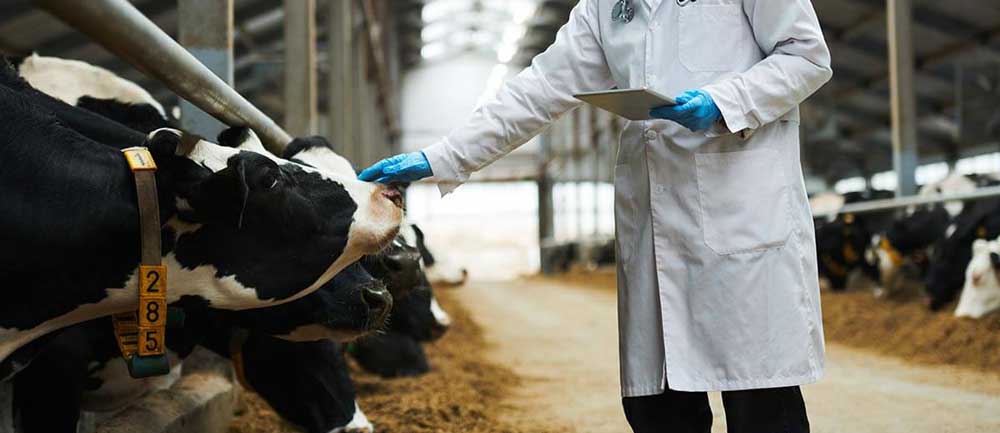
Farmers in several rural areas used injections such as Oxytocin to force animals to release milk quickly. While the method may provide temporary benefits, said senior veterinary officer Dr Jamshaid, adding that long-term use could lead to multiple health complications.
The Veterinary specialist explained that frequent injections disturbed the animal’s natural milk production system. Over time,animals became dependent on the hormone and lost their natural ability to release milk.
Excessive use of such hormones could increase the risk of udder diseases, particularly Mastitis. The condition causes pain, swelling and a decline in milk production.
Dr Jamshaid further warned that repeated hormone injections could weaken animals, making them thinner and less productive. In some cases, the hormonal imbalance could create reproductive complications, affecting the animal’s ability to breed.
Concerns were also being raised about the impact on young calves. Milk produced under the influence of hormones could negatively affect their health and growth.
The Veterinary professional stressed that the misuse of hormones could reduce the nutritional quality of milk, potentially affecting consumers as well.
Livestock experts were urging farmers to rely on proper feeding, hygiene and veterinary guidance rather than unnecessary hormone use to maintain healthy dairy production, he concluded.