Secretary Auqaf Punjab Dr Ehsan Bhutta said on Monday that a large number of applications had been received for Itikaf at Data Darbar during the holy month of Ramazan, adding that due to ongoing construction work and limited space, only 1,200 applicants would be allowed to perform Itikaf this year.
2,600 apply for Itikaf at Data Darbar, 1,200 selected: Auqaf Secretary
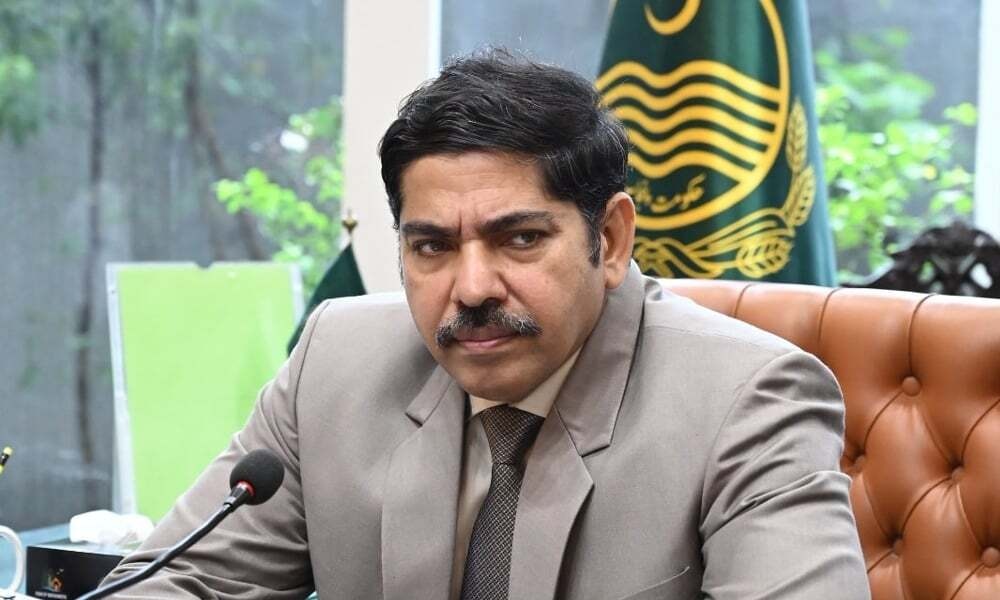
LAHORE, Mar 09 (APP): Secretary Auqaf Punjab Dr Ehsan Bhutta said on Monday that a large number of applications had been received for Itikaf at Data Darbar during the holy month of Ramazan, adding that due to ongoing construction work and limited space, only 1,200 applicants would be allowed to perform Itikaf this year.
Talking to APP, he said the Auqaf Department had invited applications for Itikaf from 3rd to 10th Ramazan, during which around 2,600 people submitted their requests. However, due to limited space at the shrine because of ongoing development work, only 1,200 individuals had been granted permission.
Dr Ehsan Bhutta said applicants had submitted forms along with copies of their national identity cards and photographs, while all applications were verified through the concerned police stations to ensure that no applicant had any criminal record. After verification, a list of about 1,200 eligible individuals was finalised.
He said a committee headed by the khateeb and administrator of Data Darbar reviewed the applications and granted final approval to the selected individuals for performing Itikaf.
The secretary said separate arrangements had also been made for women at Data Darbar, where a designated area and a separate entrance had been allocated for them. Around 100 women would perform Itikaf there, and their arrangements would remain completely separate from those for men.
Dr Ehsan said one of the main reasons for the higher number of Itikaf participants at Data Darbar was the round-the-clock Langar (free meal) system, which provided food for both visitors and those observing Itikaf.
He said comparatively fewer people performed Itikaf at Badshahi Mosque because there was no permanent Langar system, and participants usually had to arrange their own Sehri and Iftar.
He added that usually 100 to 200 people observed Itikaf at Badshahi Mosque, where Iftar arrangements were often made with the cooperation of philanthropists and well-wishers in coordination with the mosque administration.
Dr Ehsan Bhutta said a section of the main building of Badshahi Mosque had been allocated for male worshippers to perform Itikaf, while there were no arrangements for women there.
He further said that Sehri and Iftar arrangements at both Data Darbar and Badshahi Mosque were mostly made by private welfare organisations and philanthropists. He added that Deputy Prime Minister Ishaq Dar had also contributed by taking responsibility for Sehri and Iftar arrangements at Data Darbar.
He said organisations including Madina Foundation and Alkhidmat Foundation, along with other philanthropists, also arranged Sehri and Iftar for devotees at shrines during Ramadan.