ISLAMABAD, Dec 19 (APP): For over two decades, Pakistan has endured the heavy toll of extremist violence, losing more than 80,000 soldiers, police personnel, intelligence operatives, and civilians to terrorist attacks since 2001. The country has suffered economic damages exceeding tens of billions of dollars while systematically dismantling terrorist sanctuaries, disrupting financial networks, and neutralizing operational leadership across groups such as ISKP, TTP, and allied factions. High-profile arrests, including ISKP …
Pakistan’s counterterrorism reality: Sacrifice, Strategy
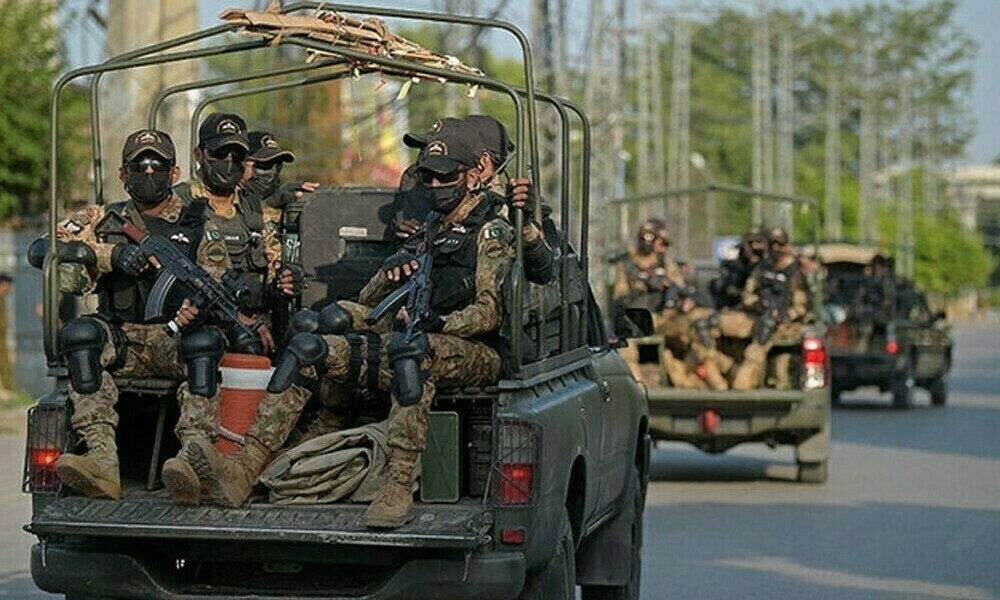
ISLAMABAD, Dec 19 (APP): For over two decades, Pakistan has endured the heavy toll of extremist violence, losing more than 80,000 soldiers, police personnel, intelligence operatives, and civilians to terrorist attacks since 2001.
The country has suffered economic damages exceeding tens of billions of dollars while systematically dismantling terrorist sanctuaries, disrupting financial networks, and neutralizing operational leadership across groups such as ISKP, TTP, and allied factions.
High-profile arrests, including ISKP propagandist Sultan Aziz Azzam and Muhammad Sharifullah, the 2021 Kabul airport bombing planner, are the outcomes of months, often years, of intelligence gathering, human-source cultivation, and cross-border operations.
These achievements underscore Pakistan’s strategic patience, operational depth, and commitment to counterterrorism, proving that its successes are grounded in sustained effort rather than calendar-driven diplomacy.
Pakistan’s counterterrorism campaign has cost over 80,000 lives, soldiers, police, and civilians, yet the country continues to confront ISKP and TTP networks with unwavering resolve.
Economic damages from terrorism in Pakistan run into tens of billions of dollars, illustrating that each operational success is hard-earned, not staged for foreign optics.
The arrest of Sultan Aziz Azzam, ISKP’s chief propagandist, ended years of transnational recruitment and radicalization efforts, striking at the ideological heart of the network.
Muhammad Sharifullah, responsible for the 2021 Kabul airport bombing that killed 13 US servicemen, was captured after months of intelligence coordination, demonstrating operational precision over political timing.
Counterterrorism breakthroughs in Pakistan emerge unpredictably; actionable leads mature when they do, exposing the falsity of claims about “timed” arrests for diplomatic gain.
General Asim Munir’s dialogues with US officials focus on concrete threats like ISKP and TTP, reflecting shared security priorities rather than orchestrated symbolism.
Operations such as Azm-e-Istehkam integrate border management, financial tracking, and intelligence coordination, proving Pakistan’s approach is comprehensive, strategic, and data-driven.
Pakistan’s counterterrorism actions have disrupted ISKP and TTP operational spaces, dismantled leadership networks, and weakened recruitment pipelines, directly protecting regional and global security.
Propaganda claiming Pakistan acts for foreign applause ignores the graves of over 80,000 fallen and the countless plots neutralized before they could strike, highlighting sacrifice over optics.
Pakistan’s fight against extremism is validated by tangible results: leadership arrests, disrupted terrorist financing, neutralized plots, and international recognition of its role as a frontline global counterterrorism actor.