ISLAMABAD, Mar 20 (APP):Prime Minister Muhammad Shehbaz Sharif Friday rejected a proposed sharp hike of Rs 76 per litre in petrol and Rs 177 per litre in diesel prices ahead of Eid ul-Fitr, deciding that the government would absorb an additional Rs 45 billion burden to shield citizens from further increases amid the global oil crisis. The prime minister, in his televised address to the nation, said that over the …
No fuel price hike as PM rejects Rs76 petrol, Rs177 diesel raise; govt to absorb Rs45b burden
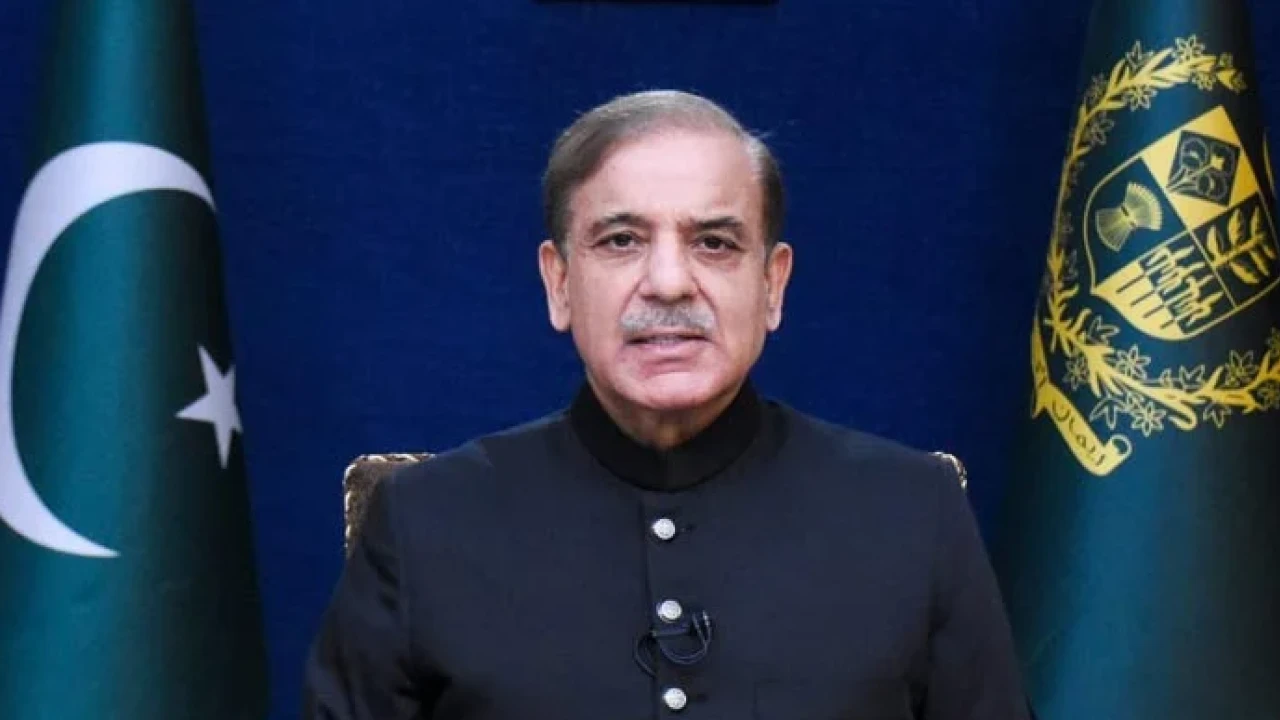
ISLAMABAD, Mar 20 (APP):Prime Minister Muhammad Shehbaz Sharif Friday rejected a proposed sharp hike of Rs 76 per litre in petrol and Rs 177 per litre in diesel prices ahead of Eid ul-Fitr, deciding that the government would absorb an additional Rs 45 billion burden to shield citizens from further increases amid the global oil crisis.
The prime minister, in his televised address to the nation, said that over the past two weeks alone, the government had prevented cumulative rises of Rs127 per litre in petrol and Rs 252 per litre in diesel by drawing Rs 69 billion from budget resources, providing one of the largest relief packages in recent history to support the poor and middle classes.
He recalled that the Rs 55 per litre fuel price increase at the start of March, placed heavy pressure on household budgets and basic needs.
He said last time, on March 13, the prices of oil in the world market increased significantly.
“In view of this global situation, I was asked to make another increase in the price of petrol. The proposal was made to increase the price of petrol by Rs 50 per litre and diesel by Rs 74 per litre, but I also rejected that proposal because I knew that the previous increase of Rs 55 per litre had already become a heavy burden on the people,” he noted.
The Prime Minister said increase in petrol prices in such circumstances would have severely affected the lives of the common man.
“Therefore, I decided that the federal government itself will bear the burden of about Rs 24 billion arising from this increase in oil prices,” he recalled.
He said he limited the development expenditure and made necessary cuts to not allow the burden of oil prices to fall on the 240 million people of the four provinces and Giglit Baltistan and Azad Kashmir.
He said at this time, the prices of oil in the global market have skyrocketed. “Oil, which was available at $70 a barrel a few weeks ago, became very high in just three weeks and if the situation continues to deteriorate, then the possibility of further increase cannot be ruled out.”
The direct burden of rapidly increasing prices is falling on the people of the world and a new storm of inflation is emerging,” he mentioned.
He said he was well aware that the increase in oil prices of Rs. 55 per litre in early March after the flames of war flared up in the region had affected lives.
“The oil prices have put a heavy burden on household expenses and many families have faced severe difficulties in meeting their basic needs,” he said adding he was thankful to the people for showing immense wisdom and courage and for cooperating with the government.
The prime minister, who started his address by extending Eid greetings to the countrymen, said that the blessed month of Ramazan had further enriched the virtues of patience, endurance, and empathy for the pain and suffering of others.
He said that Eid also demanded from us human compassion, national unity, and collective responsibility, particularly at a time when the world faced an extraordinary trial.
Highlighting the regional situation, he said that the ongoing war in the region had not only shaken the global economy and peace and stability but had also severely disrupted the daily lives of ordinary people.
“Attacks on energy installations in brotherly countries have made the situation even more dangerous, and with every passing moment, the fear grows that – God forbid— this crisis could intensify and prolong.”
The prime minister said that as the government was taking effective steps to support the people, the responsibility also fell on the elite to come forward and play their full role.
The government had started implementing austerity measures by significantly reducing expenditures and ensuring the responsible use of national resources, he informed.
Prime Minister Shehbaz said that he personally reviewed these measures on a daily basis so that national resources were used with full responsibility, and the savings were spent on public welfare and well-being.
He pointed out that the government measures had also benefited the wealthy and well to do sections of the society.
“I have issued immediate instructions to the relevant ministries to form a comprehensive and transparent mechanism that ensures that government assistance is limited to only those who are truly entitled to it,” he added.
He urged the countrymen to bring all their strength to confront the current crisis, adopt simplicity, and become the means of providing resources to the deprived classes.
He also prayed to Allah Almighty, that a peaceful resolution to the ongoing war in the region emerge soon, and for the progress, stability, and prosperity of the country and for easing of the ordeal faced by the Muslim Ummah.