On Islamabad’s roadside, as traffic speeds past, a 60-year-old father sells palm-leaf crafts to survive, fighting poverty, social barriers, and daily uncertainty to educate his seven daughters and keep a fading tradition alive.
By Roy Zia Ur Rahman
ISLAMABAD, Mar 29 (APP): On Islamabad’s roadside, as traffic speeds past, a 60-year-old father sells palm-leaf crafts to survive, fighting poverty, social barriers, and daily uncertainty to educate his seven daughters and keep a fading tradition alive.
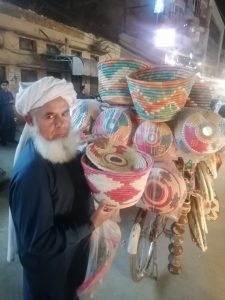
Dressed in simple clothes, Muhammad Faraz belongs to Lakki Marwat, where this traditional craft has been practiced for generations. He sells items like chungairs (bread baskets), hot pot covers, decorative pieces, flower pots, and dustbins. These items are not just products—they reflect culture and tradition.
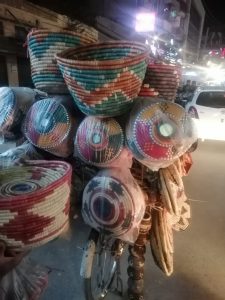
But for Faraz, this work is more than preserving heritage. It is his only source of income and a way to support his family.
“I cannot afford to lose hope,” he says. “No matter how hard life gets, I want to educate my daughters.”
Faraz is the father of seven daughters and one young son. Despite financial difficulties, he is committed to educating all his children. One of his daughters has already completed her religious education (Alima course), while the others are studying in different classes.
Coming from an area where girls’ education is often discouraged, Faraz’s determination stands out.
Faraz told APP he lives in a small rented room in Rawalpindi, paying Rs 1,500 per month. He manages his daily expenses carefully and sends money home whenever he can.
The items he sells range from Rs 100 to Rs 1,500, but selling them is not easy. Many customers bargain heavily, even those who can easily afford to pay more.
“Some days I sell enough, and some days I go back with most items unsold,” he says.
The crafts he sells are made by local women in his village, which means his work also supports other families and helps keep this traditional skill alive, he told APP.
Before moving to the city, Faraz worked as a farmer. But due to unpredictable weather and low income, he had to leave his village in search of better opportunities.
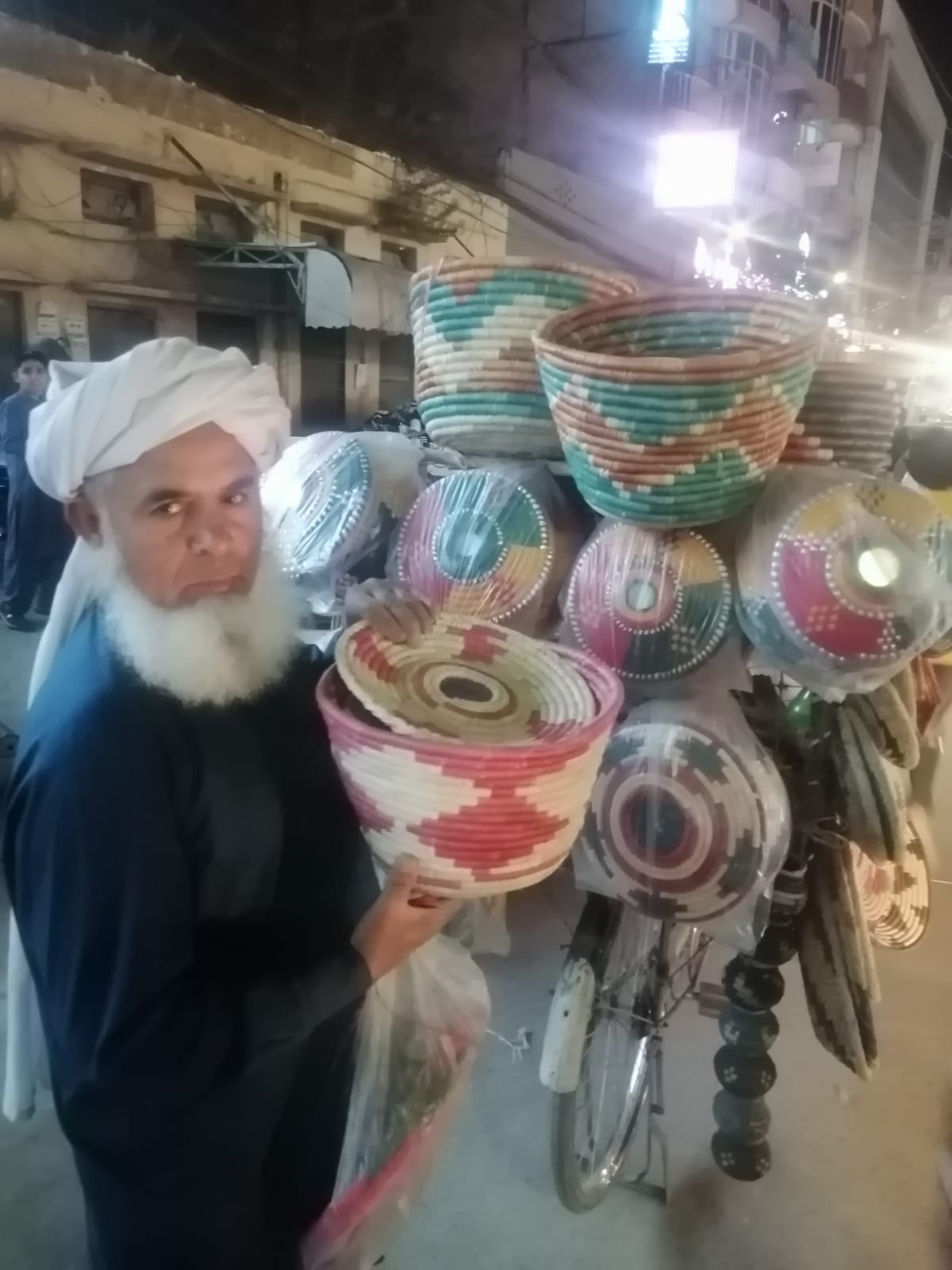
Today, his bicycle is both his transport and his shop. Every day, he travels from Rawalpindi to different areas of Islamabad, including markets and roadside spots, hoping to find customers.
However, finding a place to sell is also a challenge.
“Sometimes I am asked to move by shopkeepers or officials,” he says. “Even though I don’t block the way, people still object.”
Despite these difficulties, Faraz continues his work with patience. He finds strength in his faith and never misses his daily prayers.
There are also moments of kindness. Some people appreciate his work and pay without bargaining. A few offer kind words that encourage him to keep going.
Late at night, he can still be seen standing by the roadside, waiting for one last customer before heading back.
With every item he sells, Muhammad Faraz is not just earning a living. He is preserving a cultural tradition and building a better future for his children.
His dream is simple: to see his daughters educated, independent, and respected.
And under the city lights, his quiet struggle continues, turning dry leaves into hope for tomorrow.