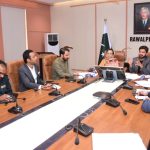
A high-level meeting chaired by Sindh Minister for Local Government, Syed Nasir Hussain Shah, was held at the Sindh Solid Waste Management Board (SSWMB) to review proposals for introducing an improved sanitation system across all districts in the province of Sindh.
Three model proposals presented for introducing sanitation system in Sindh
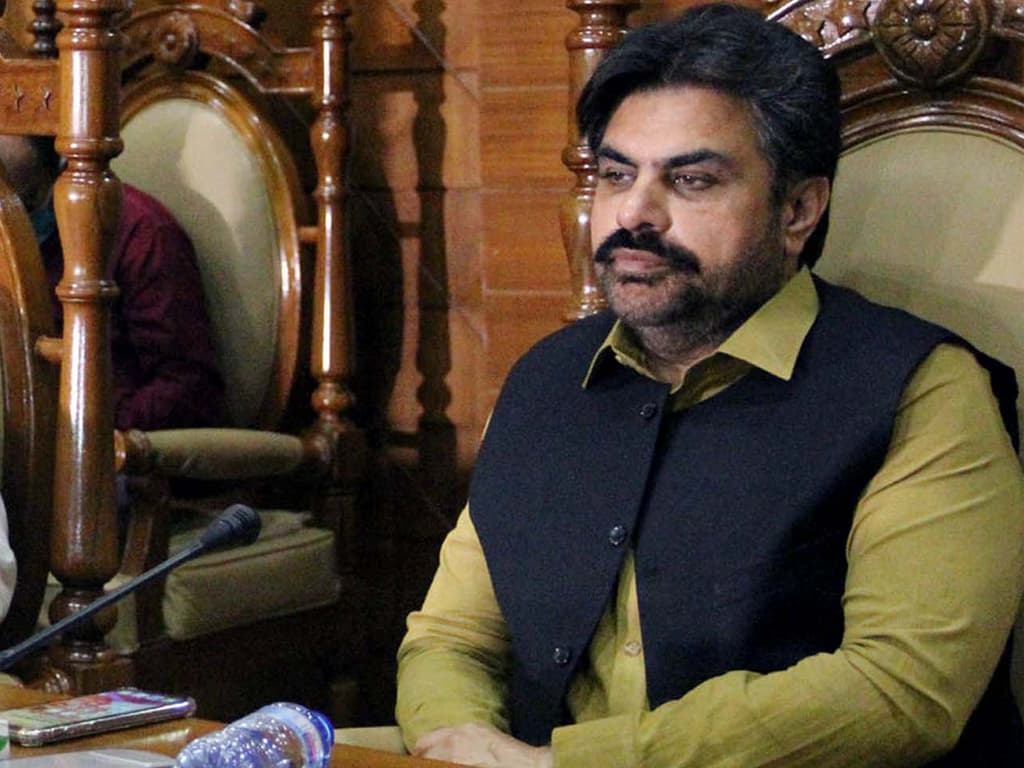
KARACHI, Apr 01 (APP):A high-level meeting chaired by Sindh Minister for Local Government, Syed Nasir Hussain Shah, was held at the Sindh Solid Waste Management Board (SSWMB) to review proposals for introducing an improved sanitation system across all districts in the province of Sindh. The meeting was attended by Additional Chief Secretary Sindh Waseem Shamshad Ali, Managing Director SSWMB Tariq Ali Nizamani, Project Director SWEEP Mohammad Usman Moazzam, and other senior officials.
During the meeting, three operational models were proposed to expand solid waste management services beyond Karachi, Hyderabad, Larkana, and Sukkur to the remaining districts of Sindh. These include the Hybrid Model, Hybrid Plus Model, and Local Model, aimed at developing a modern, efficient, and sustainable sanitation system.
The Director M&E gave a comprehensive briefing on the proposed operational framework. It was highlighted that the proposed models are designed to meet modern requirements, focusing on cost efficiency, sustainability, and institutional strengthening. The models incorporate the role of local government institutions in planning, strategy, and implementation. Under these models, the sanitation system can operate at multiple levels, including management through municipal committees or through Town Committees. Work can also be divided into smaller administrative units such as town-wise, to improve monitoring and operational efficiency.
Additionally, town administrations may be supported through a modern CMS (Complaint Management System), enabling better monitoring, transparency, and performance evaluation of sanitation services. The proposed duration for these projects is 3+1 or 4+1 years, allowing flexibility for performance review and continuity. Officials also informed that machinery and workforce will be customized according to the needs of each area, ensuring optimal resource utilization and reducing operational costs, ultimately contributing to a sustainable system.
The meeting also discussed proposals for the allocation of landfill sites across Sindh, including Kashmore-Kandhkot, Larkana, Kotdiji, Nawabshah, Sehwan, Malkiyar Hyderabad, Umerkot, and Dhabeji, to ensure safe and scientific waste disposal.
The Managing Director SSWMB informed that development work on the Jam Chakro landfill site is progressing rapidly, with one cell already completed and further work underway, and will soon be operational. Upon completion, the project is expected to obtain approximately $20 million in carbon credits, contributing to both environmental improvement and economic benefits. Also, modern Garbage Transfer Stations (GTS) are under construction and will be completed in the near future.
During the meeting, Minister Nasir Hussain Shah highlighted that ensuring a clean, healthy, and safe environment for citizens is the government’s highest priority. He instructed officials to refine the proposed models to enhance their practicality and effectiveness, so they can be presented to the Chief Minister of Sindh for further initiatives.
The Minister also issued strict instructions to take legal action against those disposing of waste outside designated areas. He directed authorities to involve police in enforcement, stop vehicles dumping debris illegally, and take action against violators.
The meeting concluded with a commitment to adopt modern strategies, strengthen monitoring systems, and ensure public participation to achieve a cleaner and environmentally sustainable Sindh.