The Department of Islamic Studies of the Islamia University of Bahawalpur, in collaboration with the International Committee of the Red Cross (ICRC) Pakistan organized a two-day training course on Islam and International Humanitarian Law with participation from MPhil and PhD scholars, here on Monday.
IUB hosts training on Islam, International Humanitarian Law
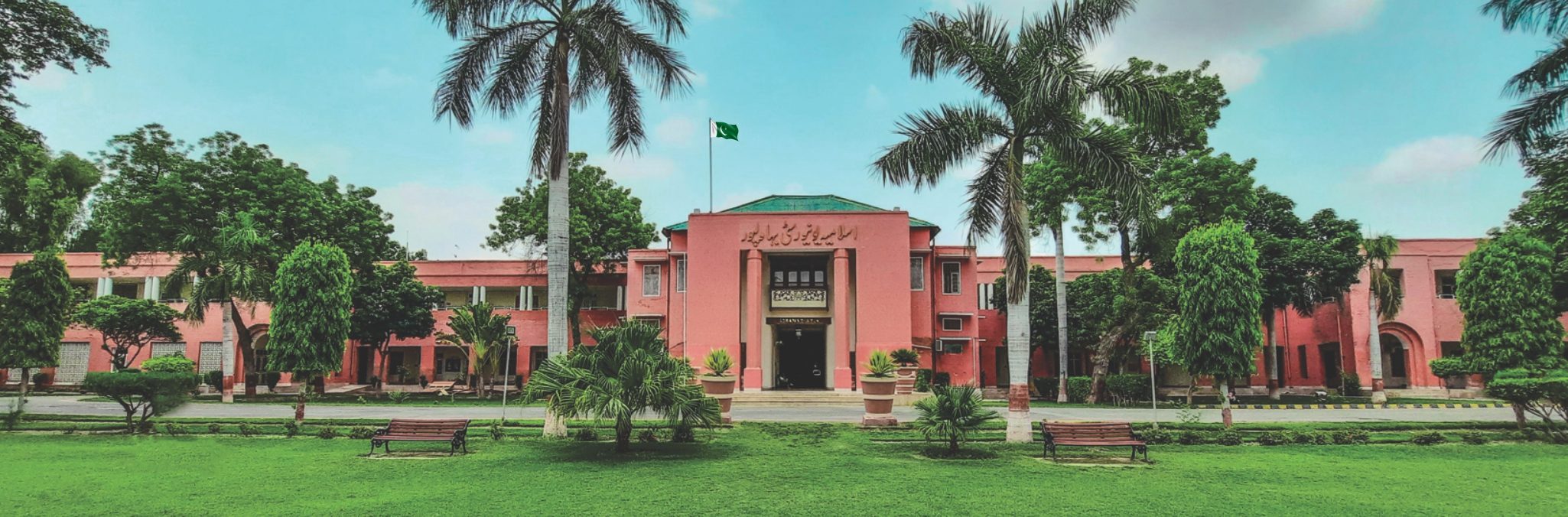
BAHAWALPUR, Apr 06 (APP): The Department of Islamic Studies of the Islamia University of Bahawalpur, in collaboration with the International Committee of the Red Cross (ICRC) Pakistan organized a two-day training course on Islam and International Humanitarian Law with participation from MPhil and PhD scholars, here on Monday.
According to a spokesperson, the primary objective of the training was to familiarize students with key legal principles and practical aspects of International Humanitarian Law (IHL) and to explore its compatibility with Islamic teachings.
The inaugural session was presided over by Prof Dr. Sheikh Shafiq-ur-Rehman, Dean Faculty of Islamic and Arabic Studies, who highlighted the Islamic principles of respect for humanity and emphasized their relevance in the contemporary world.
In his introductory remarks, Chairman Department of Islamic Studies Prof. Dr. Abdul Ghaffar underlined the academic and practical importance of the training, terming it a valuable opportunity for scholars to enhance their understanding of both Islamic jurisprudence and international legal frameworks.
The course featured distinguished experts, including Dr. Ziaullah Rahmani, Regional Advisor for Islamic Law at ICRC Pakistan, and Prof. Dr. Muhammad Mushtaq Ahmed, Chairman Department of Law at Shifa Tameer-e-Millat University, Islamabad.
The speakers delivered comprehensive lectures on the fundamental principles of IHL, its historical evolution, contemporary applications, Islamic ethics of war, and the protection of human dignity during conflicts.
Participants were also introduced to the global role of the ICRC and the areas of convergence between Islamic law and international humanitarian law.
Practical learning was encouraged through case studies and group exercises, where students actively engaged in problem-solving and discussions, demonstrating keen interest and analytical skills.
The closing session was attended by Vice Chancellor(VC) Prof. Dr. Muhammad Kamran, who appreciated the initiative as a timely and significant academic effort.
He commended the Department of Islamic Studies and thanked the ICRC Pakistan for selecting IUB as a partner for organizing the training.
Participants described the course as highly informative and impactful,expressing hope for the continuation of such academic programs to further strengthen research,understanding and practical competencies in this important field.