
Senior Advisor to Chief Minister Punjab Senator Anusha Rahman has said that the government was taking practical measures to promote information technology and the adoption of frontier technologies was indispensable for sustainable development.
Frontier technologies essential for sustainable development: Anusha Rahman
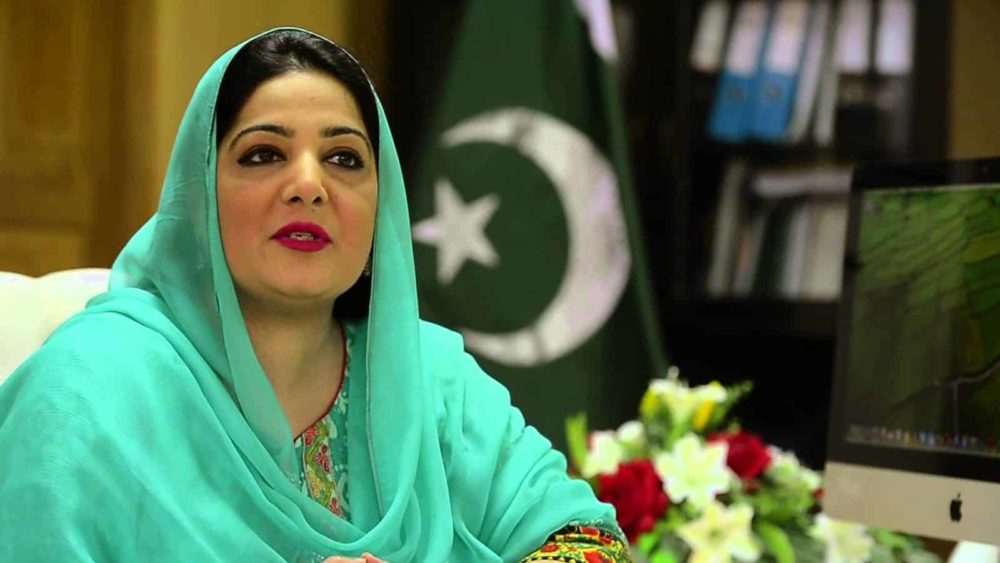
LAHORE, Mar 31 (APP):Senior Advisor to Chief Minister Punjab Senator Anusha Rahman has said that the government was taking practical measures to promote information technology and the adoption of frontier technologies was indispensable for sustainable development.
Chairing a meeting on IT sector development held here on Tuesday, she said that 5 million students across the province would be trained in emerging technologies. She added that Chief Minister Punjab Maryam Nawaz Sharif was working round the clock to ensure the timely completion of IT projects.
The meeting was attended by Secretary Information Technology Department Zahir Hassan, President National Incubation Center Lahore (NICL) Ayub Ghori, Project Director NICL Agha Abdul Rehman, Principal Advisor NICL Saad Tariq, and representatives of leading IT industry organisations, including JazzCash, Huawei, and venture capital funds.
During the meeting, ongoing and proposed development projects related to frontier technologies, incubation centres, and digital skills development were reviewed. Participants also discussed practical measures and policy recommendations to strengthen Punjab’s IT ecosystem through enhanced collaboration among government, industry, academia, and other stakeholders.
Addressing the meeting, Senator Anusha Rahman said the purpose of the session was to develop a coordinated IT policy for Punjab and set clear goals in consultation with all stakeholders. She said PC-1s have been prepared for various initiatives, which would be finalized after consultation with stakeholders and subsequently sent to the federal Planning Division for approval.
She said frontier technologies have become indispensable in sectors such as health, agriculture, infrastructure, and energy, and no country could achieve sustainable development without adopting modern technological solutions. She added that Punjab must align itself with the requirements of the future through the promotion of digital economy, e-commerce, fintech, and digital services.
The senior advisor said Pakistan’s ranking in frontier technologies index requires improvement, and the IT Department of Punjab would focus on enhancing the province’s position in emerging technological domains. She stressed the need for joint efforts by industry, academia, and government to achieve these objectives.
Anusha Rahman said the government was also taking practical steps to modernize and digitize the pharmaceutical, biotechnology, industrial, and SME sectors. She emphasized the need to promote cashless digital payment systems, noting that while consumers pay taxes indirectly during purchases, full tax collection was not achieved due to cash transactions. She said awareness among consumers and engagement with chambers of commerce would be ensured to promote a cashless economy.
She said Chief Minister Punjab Maryam Nawaz Sharif has made the promotion of information technology her top priority and that a Digital Economy Authority would soon be established in Punjab. She added that discussions were also underway to sign agreements with international universities for teacher training programs.
Anusha Rahman said the Nawaz Sharif IT City project was an important part of Punjab’s IT and digitalization policy, with both local and foreign IT companies investing in it. She said the Chief Minister personally overseeing its timely completion. She added that Punjab was emerging as a hub of innovation and investment in IT, creating new employment opportunities for youth and strengthening the provincial economy.
Earlier, a discussion session on frontier technologies and innovation was held, where participants deliberated on the role of artificial intelligence, blockchain, and digital transformation in economic growth, along with policy frameworks and the importance of collaboration between educational institutions, industry, and government. Stakeholders also considered recommendations to increase investment in research and development, promote IT sector growth, strengthen the startup ecosystem, and improve digital infrastructure in Punjab.