ISLAMABAD, Jan 13 (APP): In his January 2, 2026 interview with TOLO News, former US Special Representative Zalmay Khalilzad commented on Pakistan–Afghanistan relations, regional security dynamics, and counterterrorism cooperation. Khalilzad assessed current tensions by favorably rating Afghan government’s approach toward Pakistan, describing it as more rational and constructive. He characterized Taliban’s positions during latest talks as reasonable, particularly on the TTP issue, while urging Pakistan not to politicize trade. About …
Selective skepticism: Why Zalmay’s Pakistan critique falls short
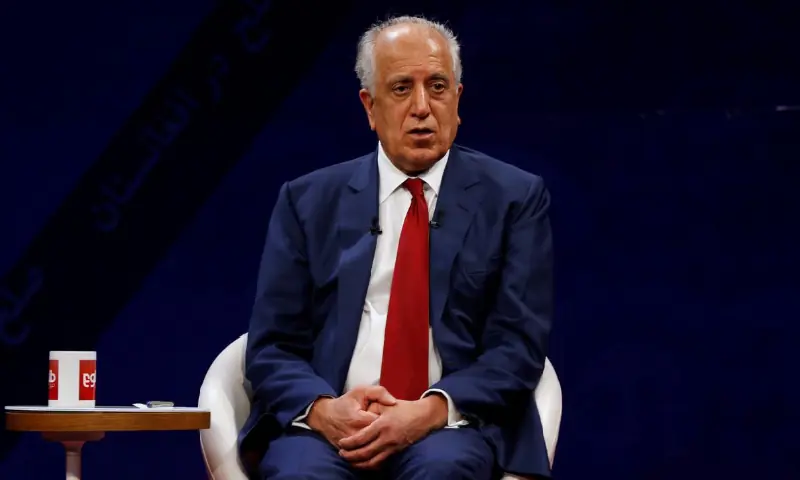
ISLAMABAD, Jan 13 (APP): In his January 2, 2026 interview with TOLO News, former US Special Representative Zalmay Khalilzad commented on Pakistan–Afghanistan relations, regional security dynamics, and counterterrorism cooperation. Khalilzad assessed current tensions by favorably rating Afghan government’s approach toward Pakistan, describing it as more rational and constructive. He characterized Taliban’s positions during latest talks as reasonable, particularly on the TTP issue, while urging Pakistan not to politicize trade. About ISIS, Khalilzad proposed third-party supervision to ensure both sides prevent terrorism activities.
Zalmay Khalilzad has lost relevance in current US policy circles, particularly after the change in administration. His influence today is marginal compared to US institutional positions shaped by the State Department, and the Pentagon.
As a known critic of President Trump’s administration, Khalilzad has increasingly targeted Pakistan because Islamabad is now working closely with Washington on multiple strategic files, with counterterrorism especially against ISIS and ISKP ranking at the top.
Pakistan’s actions against ISKP are neither rhetorical nor theoretical; they are operationally evident. Sustained intelligence-led operations, cross-border interdictions, and high-value arrests of ISKP operatives have directly averted major terrorist plots , a reality acknowledged by international partners and reflected in reduced attack capacity.
Khalilzad’s assertions also collide with credible UN evidence. The UN Analytical Support and Sanctions Monitoring Team has clearly documented the presence of ISKP and other terrorist groups inside Afghanistan, including their access to safe havens, training infrastructure, and foreign fighters, facts Khalilzad conspicuously downplays or rejects.
Ignoring UN-mandated assessments while amplifying Taliban claims undermines analytical credibility, particularly when those assessments are based on multi-source intelligence provided by independent monitoring mechanisms.
There is no question of accepting mediation by third-world or external states on Pakistan’s fight against ISIS. Pakistan is a sovereign state, and on ISKP specifically, its actions speak louder than proposals for supervision or external oversight.
During dialogues with the Afghan Taliban, Pakistan’s position was rational, structured, and security-centric, a fact acknowledged by host states involved in those engagements. Pakistan consistently emphasized non-interference, counterterrorism guarantees, and regional stability.
Pakistan’s standing in Washington today is rooted in its demonstrable counterterrorism track record, built over decades of sacrifice and sustained engagement, not in optics or political theatre.
Through politicized rhetoric, Khalilzad appears focused on reclaiming personal relevance, attempting to position himself as a dissenting voice at a time when Pakistan’s cooperation with the US has regained strategic centrality.