Marking International Women’s Day 2026 under the theme “Rights, Justice, Action. For ALL Women and Girls,” Member Parliamentary Assembly, Punjab Ms. Rushda Lodhi has called for strengthened public service systems to ensure women’s dignity, safety, and equal participation in society.
Safe water, sanitation central to women’s dignity: Rushda Lodhi
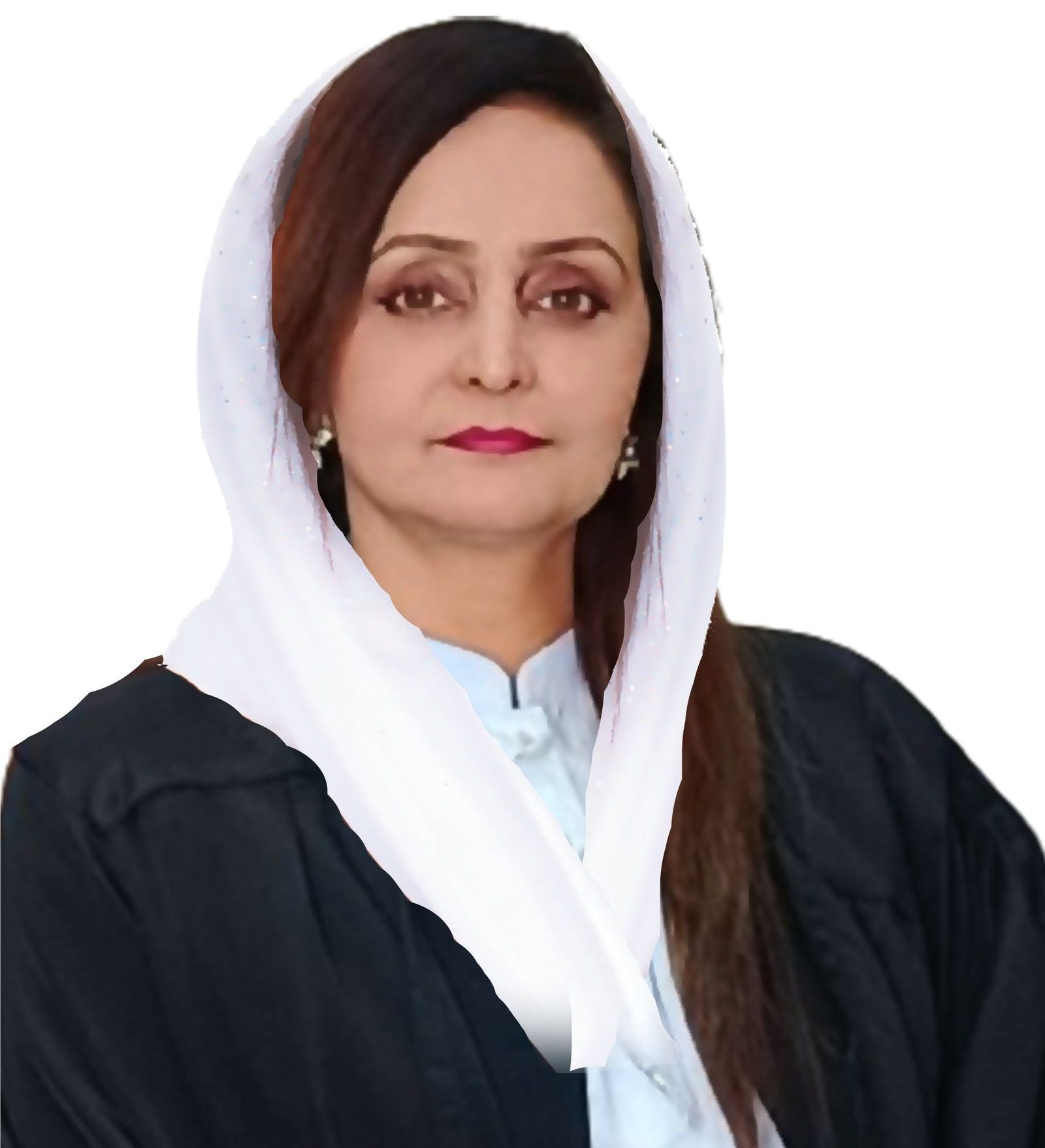
ISLAMABAD, Mar 18 (APP):Marking International Women’s Day 2026 under the theme “Rights, Justice, Action. For ALL Women and Girls,” Member Parliamentary Assembly, Punjab Ms. Rushda Lodhi has called for strengthened public service systems to ensure women’s dignity, safety, and equal participation in society.
In her reflections shared with APP, she emphasized that access to safe water, sanitation, and hygiene (WASH) services is not merely an infrastructure issue but a fundamental pillar of women’s wellbeing and empowerment.
She noted that International Women’s Day serves not only as a celebration of achievements but also as a moment of reflection on structural challenges affecting women’s lives. “Basic services such as safe water, dignified sanitation, and hygienic healthcare directly influence women’s opportunities and safety. Rights are realized when systems function effectively and equitably,” she said.
Highlighting the gendered impact of inadequate services, Rushda who is also the Parliamentary Secretary, pointed out that women and girls bear the greatest burden when water and sanitation systems are unreliable. These challenges affect their health, safety, and daily participation across households, educational institutions, and workplaces.
Referring to recent data, she observed that access to safely managed drinking water remains limited for a significant portion of the population, underscoring the need for continued efforts to expand service coverage and eliminate disparities.
She further stressed that WASH services are integral to strengthening health systems. “Safe and hygienic environments are essential for quality healthcare delivery. In health facilities, reliable water and sanitation services are crucial for safe childbirth, infection prevention, and patient safety,” she noted, adding that improving these conditions directly contributes to better health outcomes, particularly for mothers and children.
Inclusion, she said, must remain central to governance priorities. Women and girls living with disabilities, as well as those in underserved and climate-vulnerable communities, face heightened barriers in accessing basic services. Ensuring that public infrastructure is safe, accessible, and responsive is key to equitable service delivery.
Rushda also highlighted Pakistan’s commitments under the United Nations Sustainable Development Goals, particularly SDG 3, SDG 5, and SDG 6. She underscored that these goals are interconnected and require coordinated action across sectors to achieve meaningful progress.
Addressing the role of provincial leadership, she acknowledged ongoing efforts in Punjab to align policies, strengthen financing, and enhance accountability mechanisms for improved service delivery. Investments in water supply systems, sanitation infrastructure, and hygiene services—particularly in primary healthcare facilities—are helping create safer environments for women and communities.
She further noted that Pakistan’s vulnerability to climate change adds another layer of complexity, as climate-related shocks place additional strain on water systems, disproportionately affecting women and girls. This, she said, calls for integrated planning and the development of climate-resilient infrastructure.
Emphasizing the importance of collaboration, she highlighted partnerships with civil society, academia, development partners, and organizations such as WaterAid as essential for sustainable progress. “Shared responsibility and coordinated efforts are key to strengthening service delivery and ensuring long-term impact,” she remarked.
Reaffirming her message on International Women’s Day, Rushda stressed that safe water, sanitation, and hygiene are essential foundations of health, dignity, and empowerment. She called for sustained institutional commitment and collective resolve to ensure that women and families across Pakistan benefit from reliable, inclusive public services that support long-term development and social equity.