PM Youth Programme, Chinese firm sign LoI to train 50,000 youth
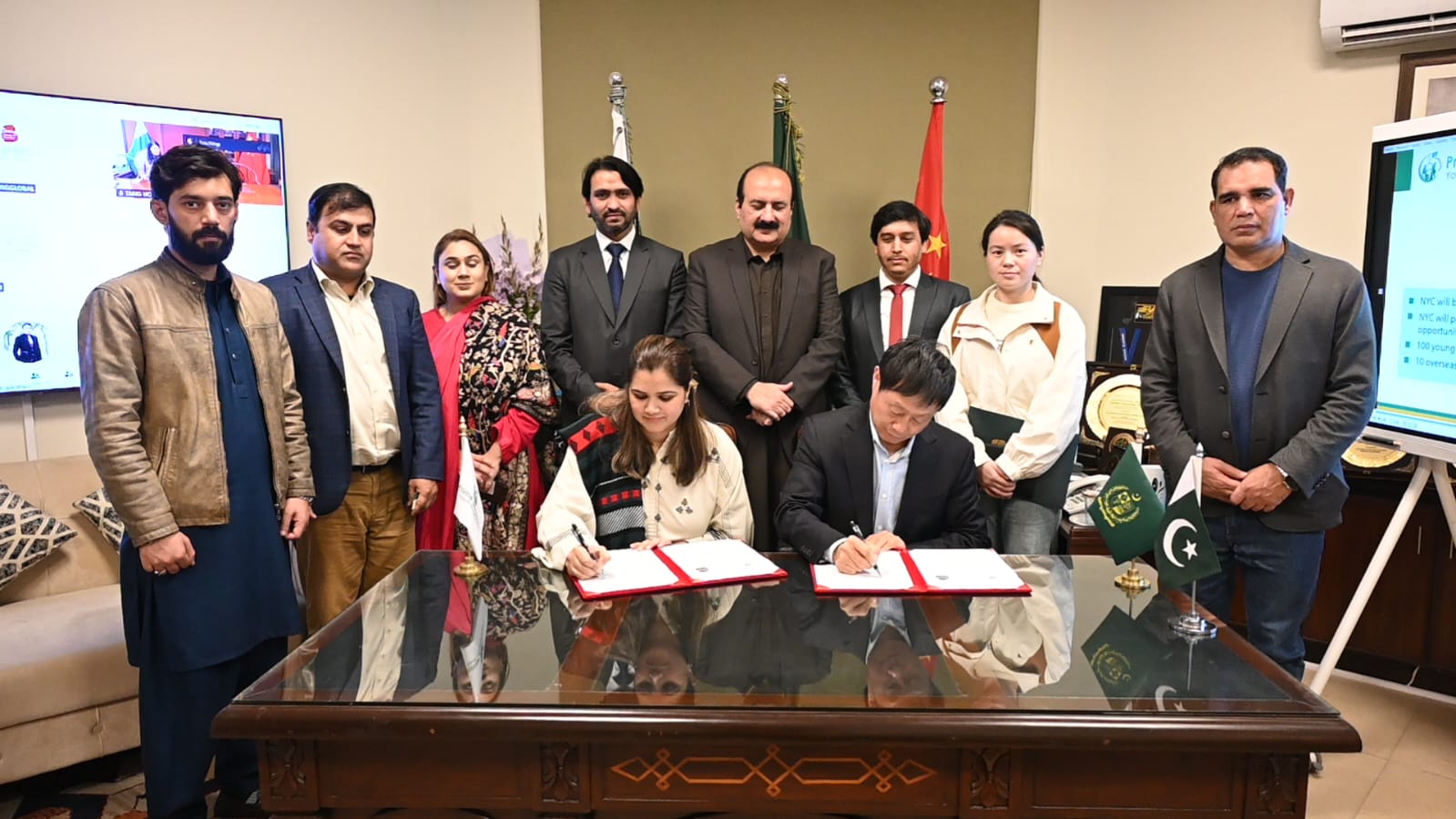
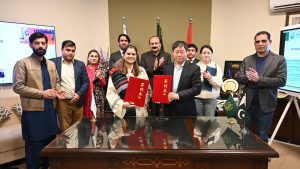
ISLAMABAD, Jan 30 (APP): The Prime Minister’s Youth Programme (PMYP) signed a Letter of Intent (LoI) with China Pakistan TVET Cooperation and TANG Chinese Education & Technology (Pvt) Ltd at the Prime Minister’s Office to strengthen China–Pakistan collaboration in Technical and Vocational Education and Training (TVET), aiming to train 50,000 youth and develop 2,000 master trainers in line with domestic and global skills requirements.
The LoI signing ceremony is witnessed by Chairman Prime Minister’s Youth Programme Rana Mashhood Ahmad Khan, underscoring the government’s commitment to equipping young people with market-relevant and future-ready skills.
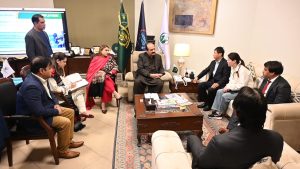
Senior officials from both sides attended the ceremony, including Li Jinsong, President and Founder of TANG Chinese Education & Technology Ltd., and Ms. Xanib Abdul Rehman, Section Officer, Prime Minister’s Youth Programme, along with their respective delegations.
The agreement reflects a shared commitment to advancing demand driven vocational and digital education.
It envisages the development of advanced training standards, joint certification mechanisms, and institutional linkages between Pakistan and China to enhance the quality, relevance, and international competitiveness of technical education.
Under the initiative, large scale capacity building efforts will be undertaken, including the training of approximately 2,000 master trainers, who will subsequently provide skills training to over 50,000 youth across the country over a five year period.
The programme will focus on high growth sectors such as digital technologies, e-commerce, fintech, artificial intelligence, media, tourism, and entrepreneurship.
The cooperation further aims to establish smart digital training centres, promote international exposure through digital skills competitions, and create pathways for productive employment in Pakistan and abroad.
Special emphasis will be placed on innovation, entrepreneurship, and SME development to support sustainable economic growth.
The signing of the LoI marks a significant step forward in strengthening bilateral cooperation in human capital development, reaffirming the shared vision to equip youth with future-ready skills and deepen people-to-people connectivity through a forward-looking partnership.