ISLAMABAD, Dec 07 (APP):The Pakistan Environmental Protection Agency (Pak-EPA) has intensified its crackdown on winter smog in the federal capital, inspecting over 1,000 vehicles and seizing more than 80 for violating emission standards since the drive began on December 1. The agency, working with the Ministry of Climate Change and Environmental Coordination (MoCC), Islamabad Traffic Police (ITP), Capital Development Authority (CDA) and the Islamabad Capital Territory (ICT) Administration, has also …
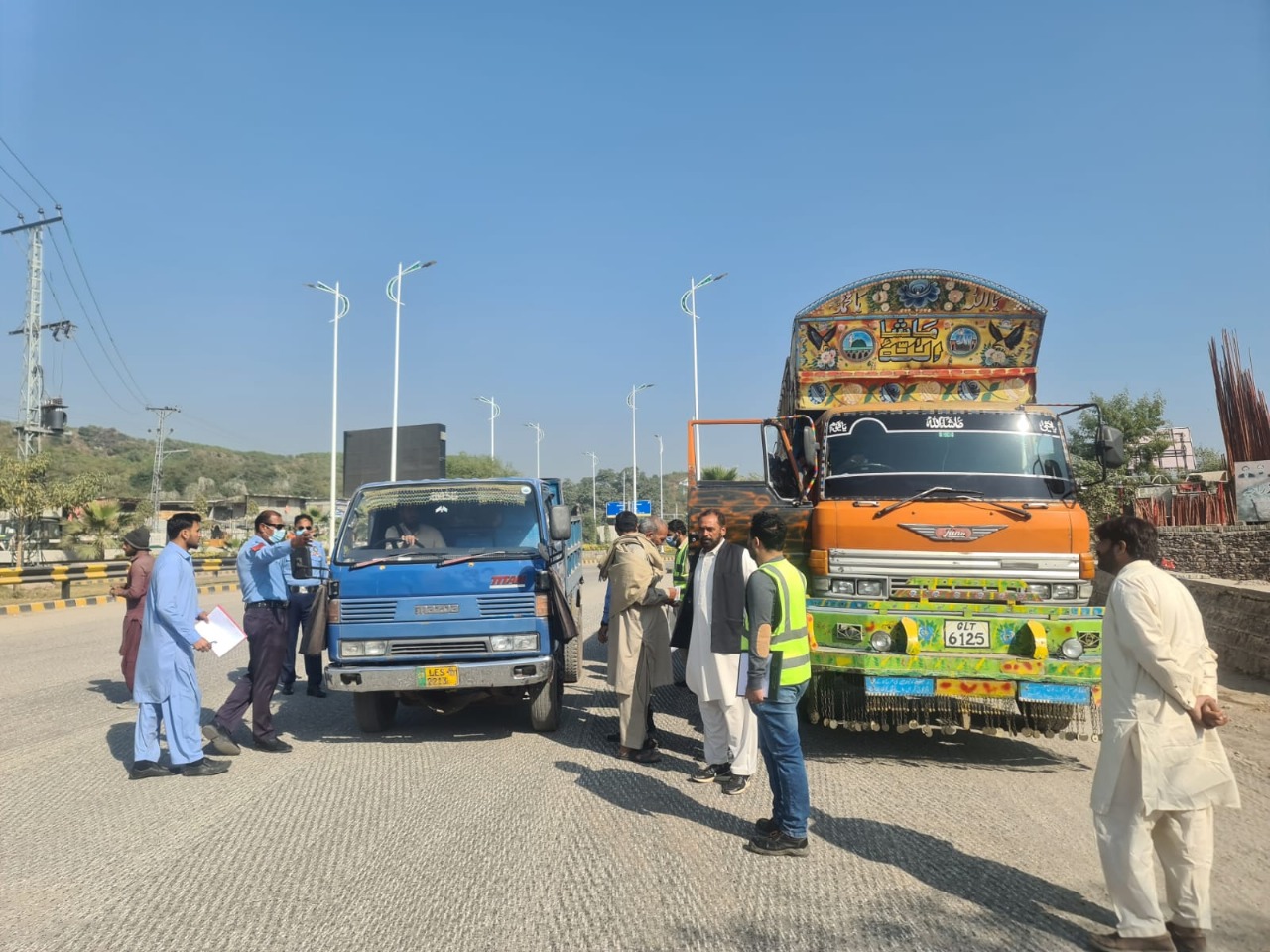
ISLAMABAD, Dec 07 (APP):The Pakistan Environmental Protection Agency (Pak-EPA) has intensified its crackdown on winter smog in the federal capital, inspecting over 1,000 vehicles and seizing more than 80 for violating emission standards since the drive began on December 1.

The agency, working with the Ministry of Climate Change and Environmental Coordination (MoCC), Islamabad Traffic Police (ITP), Capital Development Authority (CDA) and the Islamabad Capital Territory (ICT) Administration, has also set up four new emission-testing stations at D-Chowk, Lake View Park, Metro Cash & Carry, and F-9 Park to ensure vehicle compliance.

Pak-EPA Director General Nazia Zaib Ali told APP on Sunday that the anti-smog drive is part of a multi-tier strategy addressing short-, medium-, and long-term air quality concerns.

“We cannot allow non-compliant vehicles to poison the city’s air and endanger public health.
Enforcement teams are in the field every day, and violators are being penalised without exception,” she said.

Smog, caused by a mix of fog and pollutants including nitrogen oxides, carbon monoxide, sulphur oxides, and particulate matter, has worsened across northern Pakistan this season.
Pak-EPA data indicates the transport sector is the largest contributor, responsible for nearly 43% of smog-forming emissions in Punjab, and up to 83% in Lahore, according to a 2023 Urban Unit study.

Alongside vehicle checks, industrial enforcement has been strengthened. All 30 brick kilns in Islamabad have now adopted environment-friendly zigzag technology, while three non-compliant kilns were demolished. In Sangjani, 32 of 48 marble factories have been found compliant, three sealed, and the remaining under scrutiny.

Two steel units in I-10 Industrial Area are under continuous monitoring.
Dr Zaigham Abbas, Pak-EPA Director, said, “We have adopted a zero-tolerance approach towards industries operating with outdated and polluting technologies. Our goal is to help industries transition to cleaner production systems.”
Short-term measures also include deploying anti-smog guns in hotspots, stricter checks on ageing vehicles, and banning entry of non-compliant transport.
Medium-term plans focus on expanding air quality monitoring, boosting technical capacity, coordinating with provincial EPAs, and tree plantation campaigns.
Long-term strategies include implementing the Electric Vehicle Policy 2025, introducing old-vehicle retirement schemes, ensuring wider access to clean fuels, and enforcing the National Clean Air Policy 2023.
When approached, Ministry spokesperson Muhammad Saleem Shaikh told APP that public awareness campaigns have been launched through media, and 28 government and private organisations in Islamabad have been served notices for failing to have their fleets tested.
DG Nazia Zaib Ali stressed that public cooperation was crucial for success.
She urged residents to reduce unnecessary travel, use masks on high-smog days, improve indoor air quality, and avoid open burning of waste.
“The federal watchdog’s efforts alone are not enough. With public support, Islamabad can avoid severe smog episodes seen in other cities,” she said.