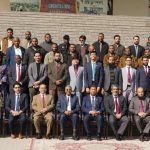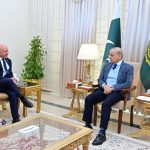
ISLAMABAD, Jan 13 (APP):Federal Minister for National Health Services Syed Mustafa Kamal acknowledged the World Health Organization (WHO) for providing vehicles to help strengthen Pakistan’s health system, particularly in underserved and remote areas. Addressing a ceremony held in this regard, the minister said the government’s vision goes beyond building hospitals and offering treatment, emphasizing that the real mission is to protect people from falling ill through effective prevention strategies. He …
Mustafa Kamal hails WHO’s support to strengthen Pakistan’s health system
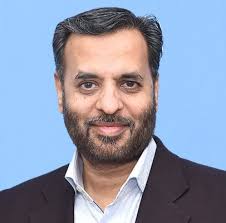
ISLAMABAD, Jan 13 (APP):Federal Minister for National Health Services Syed Mustafa Kamal acknowledged the World Health Organization (WHO) for providing vehicles to help strengthen Pakistan’s health system, particularly in underserved and remote areas.
Addressing a ceremony held in this regard, the minister said the government’s vision goes beyond building hospitals and offering treatment, emphasizing that the real mission is to protect people from falling ill through effective prevention strategies.
He said the vehicles provided by the WHO will be utilized for immunization drives and basic health activities in far-flung regions, improving outreach and access to essential services.
Highlighting the challenges facing the healthcare system, Syed Mustafa Kamal noted that any large-scale outbreak places immense pressure on the entire health infrastructure, citing the Covid-19 pandemic as a example that overwhelmed even developed nations.
The minister said around 6.2 million children are born in Pakistan every year, but the existing ecosystem from birth to adulthood remains far from ideal. He pointed out that issues related to water, sanitation, and climate change are contributing to a rise in diseases, leading to an unusual influx of patients at major hospitals.
He added that doctors are often compelled to see dozens of patients daily, which put immense pressure on health system.
Stressing the need for a paradigm shift, he said Pakistan requires a robust “healthcare” system focused on prevention rather than a “sick care” model, with priority given to disease prevention at street, neighborhood, and rural levels.
Syed Mustafa Kamal said the government is providing free vaccines to protect against 13 deadly diseases and urged the public to build confidence in immunization and ensure timely vaccination.
He reaffirmed that the polio eradication campaign will continue until the virus is completely eliminated.
Speakers at the event also underscored the need for population control, improved drainage and sanitation systems, and emergency-based precautionary measures to prevent disease outbreaks. They noted that strengthening basic health units could significantly reduce the burden on major hospitals.
The ceremony concluded with renewed appreciation for the WHO’s support through the provision of vehicles for the immunization program and a commitment to modernize Pakistan’s health system and ensure quality medical facilities for the public.