
The Supreme Court of Pakistan has held that conducting an initial hearing in contempt of court proceedings is mandatory, and that framing charges without such a hearing is contrary to law. The Court partially set aside the relevant orders of the Sindh High Court.
Initial hearing mandatory in contempt of court proceedings, rules Supreme Court
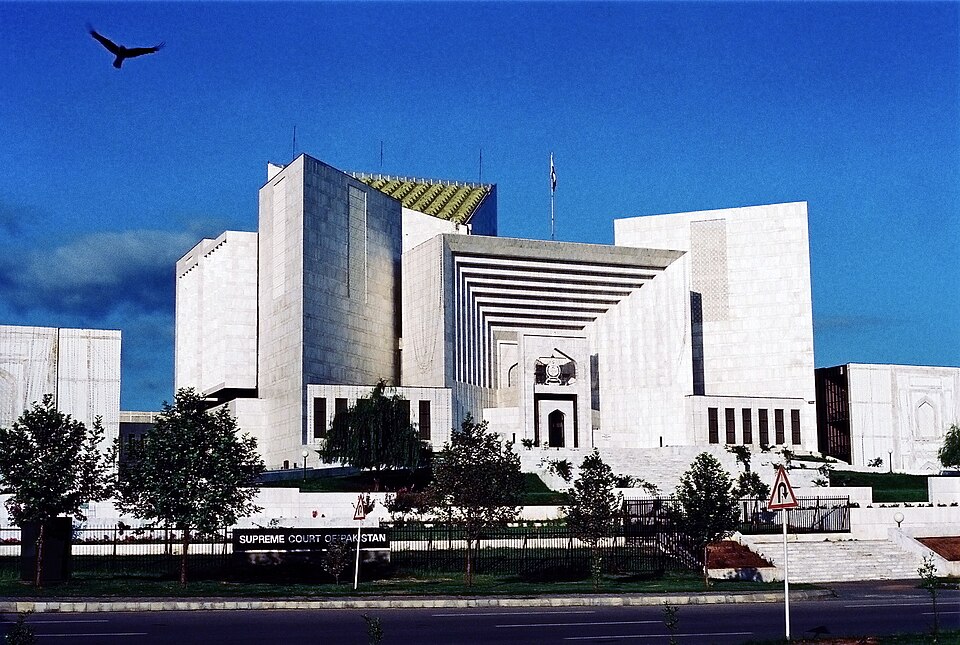
ISLAMABAD, Mar 24 (APP): The Supreme Court of Pakistan has held that conducting an initial hearing in contempt of court proceedings is mandatory, and that framing charges without such a hearing is contrary to law.
The Court partially set aside the relevant orders of the Sindh High Court.
The judgment was delivered by a three-member bench headed by Justice Muhammad Ali Mazhar, with Justice Hasan Azhar Rizvi and Justice Aqeel Ahmed Abbasi as members.
According to the detailed written judgment approved for reporting, the appeal was filed by Hira Rauf, who contended that the Sindh High Court had failed to correctly interpret Section 17(3) of the Contempt of Court Ordinance, 2003, and had fixed a date for framing of charges without providing an opportunity for a preliminary hearing.
During the proceedings, counsel for both sides conceded that no initial hearing had been conducted prior to initiating contempt proceedings, which is a legal requirement.
The Supreme Court clarified that under Section 17(3), it is obligatory for the court to provide the alleged contemnor an opportunity for an initial hearing. Only if the court is satisfied that a prima facie case exists can it proceed to frame charges.
The Court observed that this essential requirement had not been fulfilled in the present case, constituting a clear legal defect. On this basis, it set aside the Sindh High Court’s orders dated October 30, 2024, and November 19, 2024, to the extent of the contempt proceedings.
The Supreme Court further directed that the contempt petition shall remain pending, and if the concerned court intends to proceed, it must first provide an opportunity for an initial hearing in accordance with the law and then determine whether a prima facie case of contempt is made out.
The appeal was accordingly allowed subject to these conditions.