
Federal Minister for National Food Security and Research Rana Tanveer Hussain has said that developing a competitive and inclusive value chain for pulses is critical for ensuring food security, improving nutrition and reducing Pakistan’s reliance on imports, thus only a 30 per cent improvement in the sector could significantly cut the country’s pulses imports.
Inclusive value chain for pulses key to food security, reduction in imports: Rana Tanveer
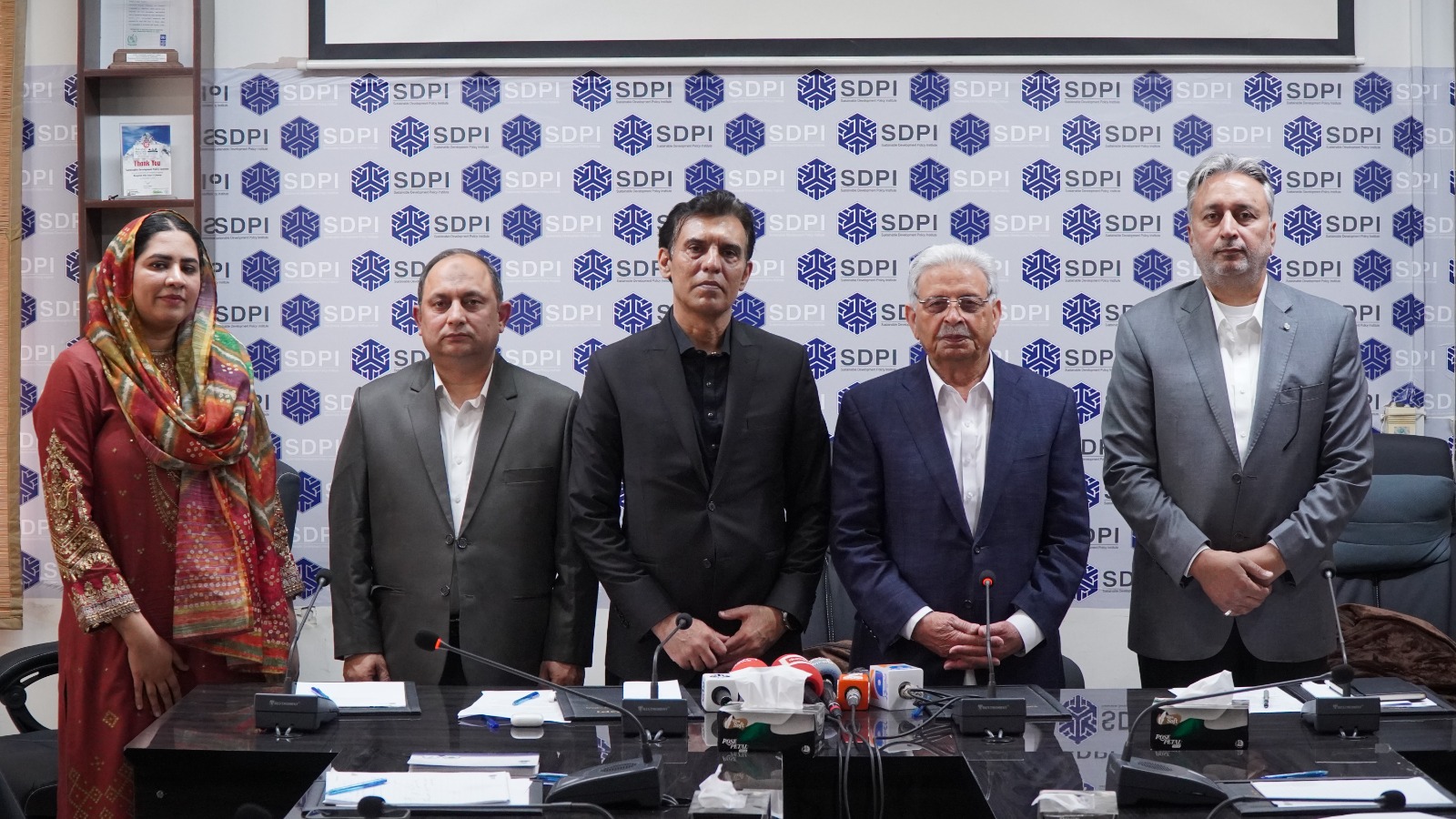
ISLAMABAD, Mar 12 (APP): Federal Minister for National Food Security and Research Rana Tanveer Hussain has said that developing a competitive and inclusive value chain for pulses is critical for ensuring food security, improving nutrition and reducing Pakistan’s reliance on imports, thus only a 30 per cent improvement in the sector could significantly cut the country’s pulses imports.
He was speaking as the chief guest at a briefing session titled “Developing Competitive and Inclusive Value Chains of Pulses in Pakistan,” organized by the Sustainable Development Policy Institute (SDPI) on Thursday. The project is funded by the Australian Centre for International Agricultural Research (ACIAR) and led by The University of Queensland.
Pulses fall among the cheapest sources of protein and an important crop for sustainable agriculture, the minister said, adding that strengthening the sector would directly benefit farmers and ensure national food security. He said: “Pakistan currently produces around 0.7 to 0.8 million tons of pulses annually against a national requirement of about 1.6 million tons, which shows a major production gap that forces the country to import.”
Rana Tanveer stressed that promoting public–private partnerships, local seed production and value addition would help in strengthening the pulses sector and support small farmers. Improved market intelligence, crop preservation facilities and national quality standards are essential to attract investment and build a robust value chain.
The government is focusing on strengthening agricultural research, extension services and climate-resilient seed varieties to improve productivity, the minister said and added that Pakistan currently invests only 0.16 per cent of its GDP in agricultural research, compared to around 4.0 per cent by countries such as Korea.
The minister said climate change had emerged as a major challenge for Pakistan’s agriculture sector, leading to declining yields in key crops such as rice and wheat. To address post-harvest losses, he said the government was working on introducing modern Chinese harvesting machinery, which could significantly reduce crop wastage.
Referring to global developments, he said tensions in the Gulf and Middle East had already increased freight rates and risk insurance costs by five to ten times, which could impact agricultural trade and input prices. However, he assured that the government had ensured stable fertilizer prices and adequate domestic production to meet farmers’ needs during the upcoming Kharif season.
Earlier, Dr Abid Qaiyum Suleri, SDPI Executive Director, said pulses had long been overlooked in policy discussions despite their importance for nutrition and food security. He noted that the Economic Survey of Pakistan reported a 16.1 per cent decline in Mash pulse production, while poor post-harvest handling results in around 25 per cent losses.
He said research and policy reforms were needed to improve seed varieties, reduce losses and strengthen the value chain. He further said that SDPI was working with partners, including Australian Centre for International Agricultural Research (ACIAR), to build a strong policy case for pulses.
Australian High Commissioner, Timothy Kane, said agriculture was an important pillar of cooperation between Pakistan and Australia, and the ACIAR had been working in Pakistan for more than two decades. He said crops such as chickpeas and lentils were not only affordable sources of nutrition but also helped improve soil fertility through nitrogen fixation. He said the ACIAR project on pulses focused on the entire value chain from farm production to processing and markets, while also promoting the participation of women and youth in the agricultural value chain.
Dr Munawar Raza Kazmi, the ACIAR Country Director, emphasized the need for improving seed quality and shifting pulse cultivation from marginal lands to more suitable arid regions. He said the organization was also supporting water management initiatives and building leadership capacity among women researchers in the agriculture sector.
Dr Rajendra Adhikari from the University of Queensland highlighted that pulses play a critical role in sustainable food systems and household food security, particularly for small landholders in South Asia. He said policy incentives and market reforms were needed to encourage farmers and private sector stakeholders to invest in pulse production and value chains.