PESHAWAR, Mar 12 (APP):A high-level consultative meeting on air quality management and pollution reduction strategies was held under the chairmanship of Junaid Khan, Secretary Climate Change, Forestry, Environment and Wildlife Department, Government of Khyber Pakhtunkhwa, here on Thursday. The meeting was attended by representatives from the World Bank via video link, senior officials from the Environmental Protection Agency (EPA) of Khyber Pakhtunkhwa, and officers from the KP Forest Department. The …
KP moves forward on major air pollution reduction measures: Secretary
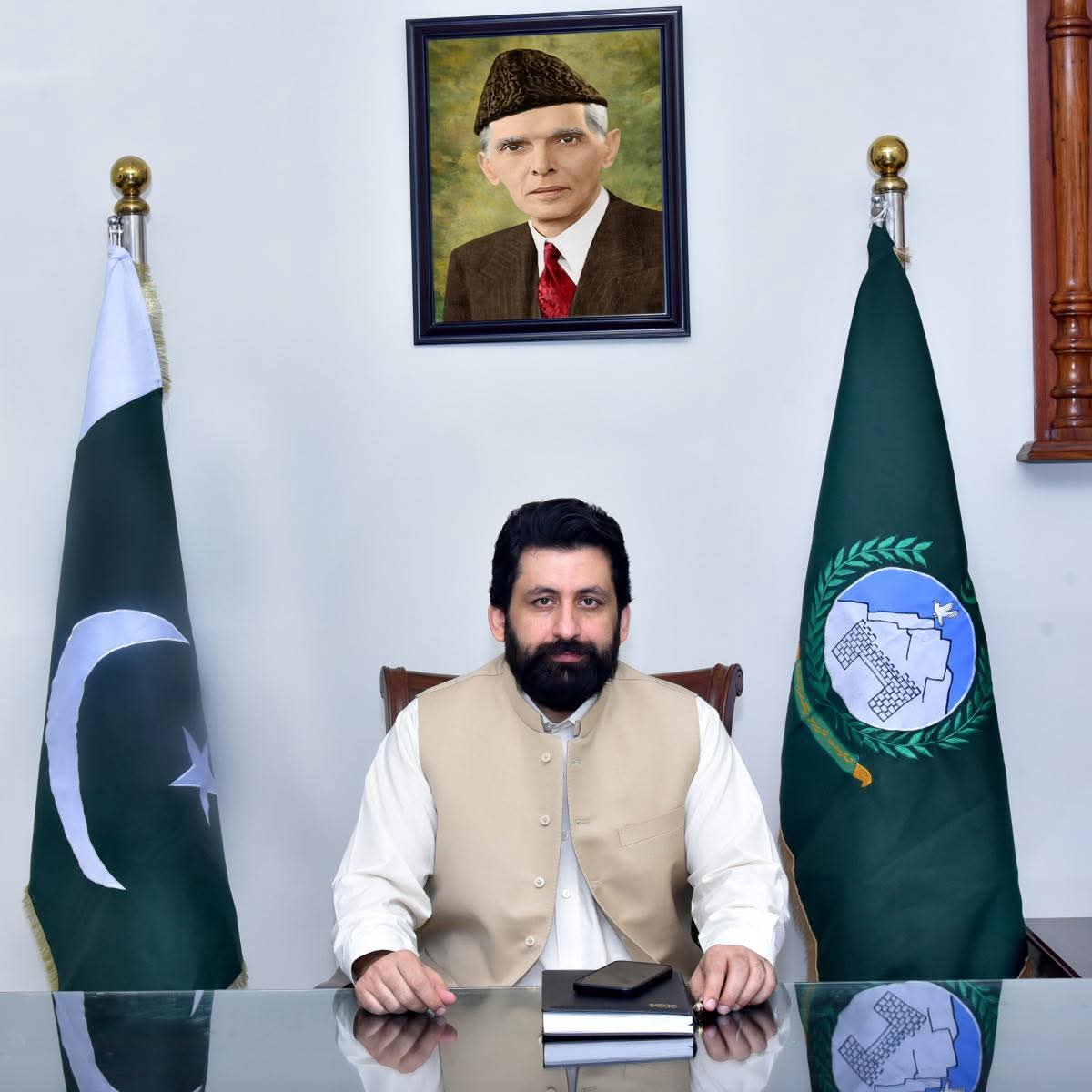
PESHAWAR, Mar 12 (APP):A high-level consultative meeting on air quality management and pollution reduction strategies was held under the chairmanship of Junaid Khan, Secretary Climate Change, Forestry, Environment and Wildlife Department, Government of Khyber Pakhtunkhwa, here on Thursday.
The meeting was attended by representatives from the World Bank via video link, senior officials from the Environmental Protection Agency (EPA) of Khyber Pakhtunkhwa, and officers from the KP Forest Department.
The session focused on reviewing key sectoral interventions aimed at reducing air pollution and improving environmental health across the province.
Detailed presentations were delivered covering potential exposure reduction measures in the transport, residential/clean cooking, and industrial sectors.
During the briefing, participants reviewed several high-impact interventions in the transport sector, including effective inspection and maintenance programs for heavy and light-duty vehicles, adoption of Euro-4 emission standards, installation of particle filters for diesel vehicles, promotion of electric two and three-wheelers, and measures to control construction and road dust.
These interventions are expected to significantly reduce particulate pollution levels and improve urban air quality.
The meeting also highlighted critical clean cooking and residential energy initiatives, particularly in rural areas.
Proposed measures include the promotion of improved biomass Cookstoves, enhanced access to clean cooking fuels such as gas, electricity, and LPG, and improved gas supply systems to eliminate outages.
These steps are expected to substantially reduce indoor air pollution and associated health risks for households.
In the industrial sector, participants discussed the installation of particulate matter filters for industrial processes, conversion of traditional brick kilns to zig-zag technology, installation of electrostatic precipitators for industrial boilers, and implementation of SO2 and NO? emission control systems. These interventions aim to significantly reduce industrial emissions and promote cleaner production practices.
In the Environment sector, installation of standardized air quality monitors across the province coupled with deployment of realtime surveillance and enforcement mechanisms within Environmental Protection Authority were identified as key interventions. Sectoral management plan of Transport, Industries, Energy, Solid waste disposal will be included in the scope.
Speaking on the occasion, Secretary Climate Change Junaid Khan emphasized the importance of coordinated action among government departments, development partners, and regulatory bodies to address the growing challenge of air pollution. He highlighted that data-driven policy interventions and modern emission control technologies will play a critical role in achieving sustainable environmental outcomes for the province.
WSSP waste management services have been successfully established in the urban areas of Peshawar, while similar services have been extended to the seven divisions of the province. Likewise Village Sanitation Program in 4212 village and neighborhood councils needs to be brought into the project scope.
Representatives from the World Bank appreciated the proactive efforts of the Government of Khyber Pakhtunkhwa in developing a comprehensive framework for air quality management and reaffirmed their commitment to supporting environmentally sustainable initiatives in the province.
The meeting concluded with a consensus on strengthening institutional coordination, accelerating implementation of priority interventions, and enhancing regulatory enforcement to ensure effective air pollution control.