UN chief warns food waste threatens climate, food security; Pakistan pushes for aiding developing nations
UN chief warns food waste threatens climate, food security; Pakistan pushes for aiding developing nations
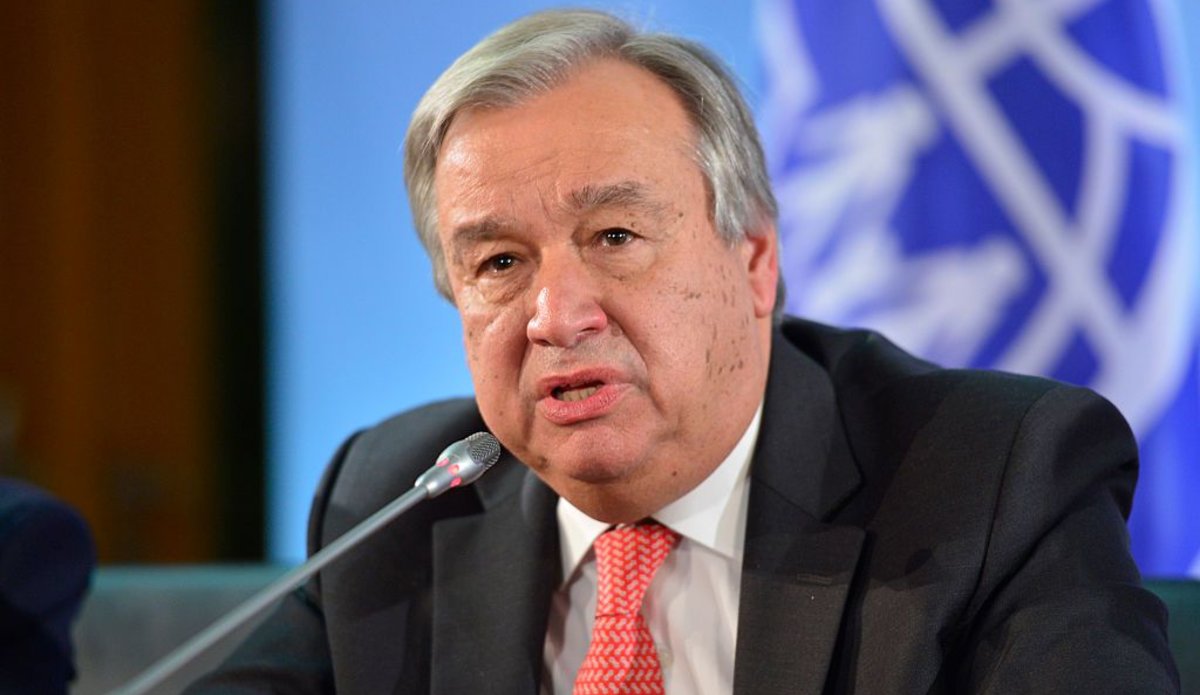
UNITED NATIONS, Mar 31 (APP): UN Secretary-General Antonio Guterres Monday called on the international community to build zero-waste food systems that “we need to nourish both people and planet.”
“The world wastes far too much food,” the UN chief said in his message on the International Day of Zero Waste, observed annually on March 30.
At an earlier commemoration, Pakistan’s UN Ambassador Asim Iftikhar Ahmad welcomed the focus on food waste as a challenge linked directly to climate action, food security and sustainable development.
In this regard, the Pakistan envoy commended Turkiye’s leadership on zero waste initiatives, including the pioneering work of the country’s First Lady Emine Erdogan,
Last week’s commemoration was organized by the United Nations Environment Programme (UNEP) and UN-Habitat.
In his message released on Monday, the UN secretary-general said that every day, people across the globe throw away food enough to prepare 1 billion meals while letting 9 percent of humanity go hungry, putting the climate, ecosystems and health at risk, and threatening the ability to feed ourselves in the future.
Guterres urged consumers to make a big impact with small changes in their shopping and cooking habits, retailers to optimize their operations and redistribute surplus food, cities to scale organic waste separation and strengthen procurement for schools and hospitals, and national governments to drive systemic change by addressing food waste in their climate action and biodiversity plans and forging public-private partnerships.
Through initiatives like the Food Waste Breakthrough and No Organic Waste, the international community can halve food waste by 2030, cut the methane emissions by up to 7 percent, and build circular, resilient food systems, he said.
These efforts, beyond protecting our planet, will create green jobs, reduce food insecurity and climate impacts, and prevent up to 1 trillion U.S. dollars in economic losses each year, the secretary-general said.
“We cannot take food for granted,” he stressed.
Every year, humanity generates between 2.1 billion and 2.3 billion tonnes of municipal solid waste, and some 2.7 billion people lack access to waste collection, according to figures released by the UN Human Settlements Programme.
Waste pollution significantly threatens well-being, economic prosperity, and accelerates the triple planetary crisis of climate change, nature and biodiversity loss, and pollution. Without urgent action, annual municipal solid waste generation will hit 3.8 billion tonnes by 2050, according to the agency.
The UN General Assembly adopted a resolution in December 2022 designating March 30 as the International Day of Zero Waste to encourage sustainable production and consumption habits and increase awareness of how zero-waste projects accelerate the 2030 Agenda for Sustainable Development.
In his remarks, Ambassador Asim Ahmad emphasized that for countries like Pakistan, addressing food waste is not only an environmental and economic priority but also a moral and religious responsibility. He said the crisis is driven by lifestyles, behaviour and broken supply chains, and requires changes in how societies value and use food.
At the same time, the Pakistani envoy said that behavioural change alone will not be sufficient. As a major agricultural producer, he noted, Pakistan sees significant losses caused by inadequate cold chain infrastructure, inefficient distribution systems and limited processing capacity—often before food reaches consumers.
Ambassador Asim said that innovation and technology can help reduce waste, including through smart storage solutions and digital tools that track and prevent losses. He called for adequate support for developing countries to access and deploy such technologies, including through strengthened international cooperation, technology transfer on concessional terms and dedicated financing for infrastructure and system upgrades.