Trump says US to wind down war against Iran & plans to address the nation
Trump says US to wind down war against Iran & plans to address the nation
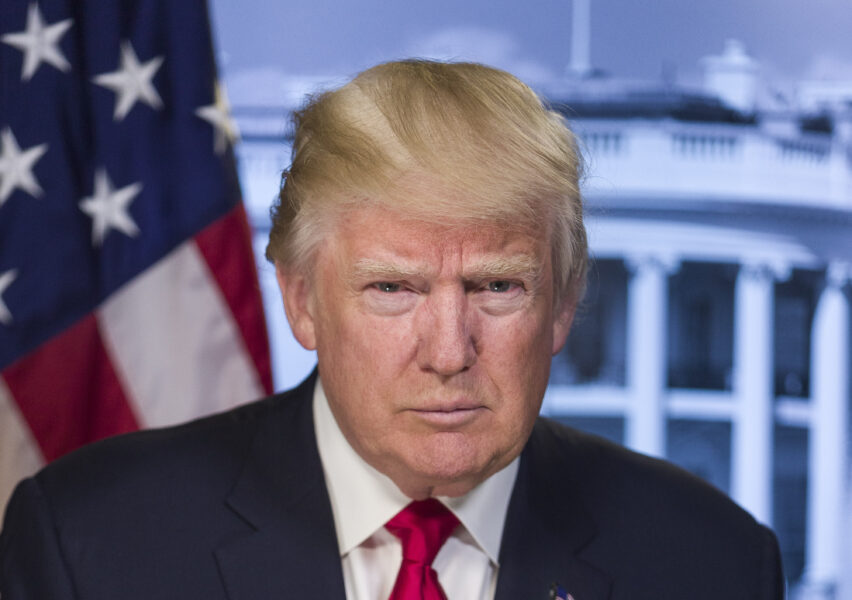
WASHINGTON, Apr 01 (APP): President Donald Trump said on Tuesday that the United States would wrap up its military campaign in Iran in two or three weeks and dismissed the closure of the Strait of Hormuz as a problem for other countries to resolve.
“We will be leaving very soon,” Mr. Trump told reporters in the Oval Office.
At about the same time, the White House announced that President Trump will deliver a national address at 9 p.m. on Wednesday (6 a.m. PST Thursday) to provide “an important update on Iran”, setting off speculation that he could lay out any plans for an endgame to Americans.
Earlier on Tuesday, Trump had criticized U.S. allies that have not heeded his call for help in securing the Strait of Hormuz, particularly Britain. He said on social media that the United States would not come to their aid in the future.
“You’ll have to start learning how to fight for yourself,” he wrote, adding, “Go get your own oil!”
Trump also hinted that the U.S. may not take the lead in reopening the Strait of Hormuz, which Iran has effectively blocked, telling CBS News, “Other countries have to come in and take care of it.”
The president suggested that a negotiated settlement may not be strictly necessary but also left the possibility of a deal open.
“Iran doesn’t have to make a deal. It’s a new regime. They are much more accessible. No, they don’t have to make a deal with me … we’ll leave whether we have a deal or not. It’s irrelevant now. It’s possible we’ll have a deal because they want to make a deal.”
According to Defense Secretary Pete Hegseth the “upcoming days will be decisive” in the conflict that started on February 28, when the U.S. and Israel launched coordinated attacks against Iran.
Meanwhile, Iran’s Foreign Minister, Abbas Araghchi, said on Tuesday that his country had neither responded to a 15-point peace proposal from the United States nor made a counteroffer. He denied any formal negotiations were taking place, despite President Trump’s claim that talks were going well.
The war kept grinding ahead on Tuesday. A major airstrike on the city of Isfahan in Iran caused a huge explosion, and a Kuwaiti oil tanker erupted in flames earlier in the day at a Dubai port after a drone attack that the Kuwaiti authorities attributed to Iran.
At a briefing in Washington, General Dan Caine, the chairman of the Joint Chiefs of Staff, said the United States had begun flying B-52 bombers over Iranian territory for the first time since the war started without elaborating.
Defense Secretary Hegseth, who gave his first briefing with General Caine in nearly two weeks, conceded that Iran retained some ability to retaliate. “They will shoot some missiles,” he said. “We will shoot them down.”
On the other hand, petrol prices in the United States crossed an average of $4 a gallon on Tuesday, a threshold it hadn’t reached since August 2022. The S&P 500 index surged nearly 3 percent on hopes that the war will come to an end soon. Oil prices also rose. The average cost of petrol has jumped 35 percent since the war began on Feb. 28, according to data from the AAA motor club, becoming a political burden for Trump.
Persian Gulf countries reported more missile and drone attacks on Tuesday. The authorities in Dubai and Saudi Arabia reported that debris from interceptions had injured several people. In the United Arab Emirates, remote learning will continue at all schools until mid-April, the education ministry said.