
LAHORE, Dec 16 (APP): Pakistan Ulema Council (PUC) Chairman Hafiz Muhammad Tahir Mahmood Ashrafi on Tuesday led a multi-faith conference at Jamia Manzoor-ul-Islamia, where religious scholars and faith leaders from various sects expressed full support for the state in combating terrorism, extremism, and sectarian violence, and called on the international community to address alleged human rights violations against minorities in India. The gathering, held on the anniversary of the Army …
PUC Chairman emphasizes national unity, condemns extremism and global acts of violence
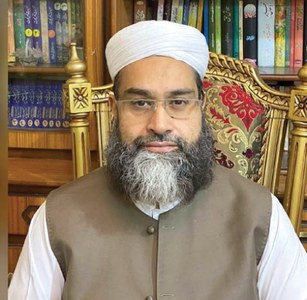
LAHORE, Dec 16 (APP): Pakistan Ulema Council (PUC) Chairman Hafiz Muhammad Tahir Mahmood Ashrafi on Tuesday led a multi-faith conference at Jamia Manzoor-ul-Islamia, where religious scholars and faith leaders from various sects expressed full support for the state in combating terrorism, extremism, and sectarian violence, and called on the international community to address alleged human rights violations against minorities in India.
The gathering, held on the anniversary of the Army Public School tragedy, saw participants offering condolences to the families of the martyred children and paying tribute to their sacrifice.
Addressing the press, Ashrafi and other leaders emphasized that Pakistan’s security, stability, and defense are a shared national responsibility and praised the points presented by Chief of Army Staff Field Marshal Syed Asim Munir on national cohesion.
The declaration strongly condemned continued oppression of minorities in India, including Muslims, Christians, Sikhs, and marginalized Hindus, urging the Organization of Islamic Cooperation, the United Nations, and international human rights bodies to take immediate action. The leaders also condemned the recent terrorist attack in Australia and paid tribute to a young man, Ahmed, who confronted the attacker to protect civilians.
The participants announced that Friday, December 19, would be observed as a Day of Condemnation against terrorism, extremism, and persecution of minorities in India and worldwide. The declaration underscored that all religions promote peace, compassion, and tolerance, reiterating Islam’s principles of moderation, harmony, and the sanctity of human life.
The conference was attended by prominent religious and community leaders, including Father James Channan, Dr Majid Aabel, Sardar Gyan Singh, Maulana Asim Makhdoom, Maulana Asadullah Farooq, Maulana Aslam Siddiqui, Pir Khalil Ahmed, Dr Badr Saifi, Allama Tahir-ul-Hasan, Hafiz Maqbool Ahmed, Maulana Muhammad Ashfaq Patfi, Mufti Umar Farooq, Qari Abdul Hakeem Athar, Maulana Mubashir Rahimi, Maulana Muhammad Ibrahim Hanafi, Hafiz Ehtesham-ul-Haq, Sufi Islamuddin Usmani, Qari Faisal Amin, and others.