PESHAWAR, May 27 (APP):The Chief Minister of Khyber Pakhtunkhwa has officially launched the province’s Good Governance Roadmap, outlining a strategic plan focused on enhancing governance, smart development, and security over the next two years. The roadmap, unveiled at the Chief Minister’s House here on Tuesday, aimed to provide a unified framework for all provincial reform efforts. According to the press release, the roadmap identifies three primary focus areas: good governance, …
KP CM launches comprehensive good governance roadmap
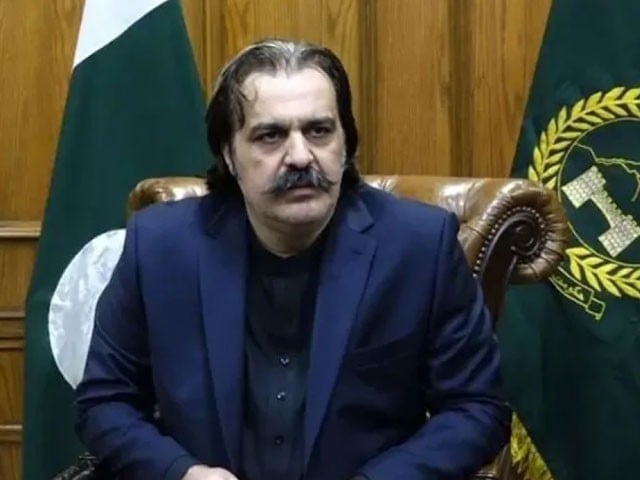
PESHAWAR, May 27 (APP):The Chief Minister of Khyber Pakhtunkhwa has officially launched the province’s Good Governance Roadmap, outlining a strategic plan focused on enhancing governance, smart development, and security over the next two years.
The roadmap, unveiled at the Chief Minister’s House here on Tuesday, aimed to provide a unified framework for all provincial reform efforts.
According to the press release, the roadmap identifies three primary focus areas: good governance, smart development, and strong security.
Targets have been set across these sectors to ensure effective and measurable outcomes, it said adding the initiative seeks to align institutional performance and public service delivery with the expectations of the citizens.
To support governance reform, twelve sub-sectors have been prioritized. These include health, education, urban and rural development, economic growth, social protection, public-private partnerships, ease of doing business, legal framework strengthening, digital services, a governance calendar, merit-based appointments, and employment generation in underdeveloped areas.
Security will be reinforced through the implementation of a Provincial Action Plan. In the realm of smart development, the roadmap focuses on timely completion of mega projects, prioritization of public welfare initiatives, and promotion of investment opportunities.
In the health sector, 250 basic and rural health centers will be upgraded, and 24/7 maternal care services will be ensured at local facilities.
Over 100 hospitals will receive essential medical equipment and medicines, and efforts will be intensified to eliminate polio in the southern districts.
In education, the number of out-of-school children will be reduced by 50 percent, and 1,500 underperforming schools will be outsourced to improve performance.
The social protection plan includes financial support and equipment for 10,000 persons with disabilities, along with the launch of a digital welfare registry.
Economically, the government will complete three new economic zones and upgrade 32 vocational training institutes.
In agriculture and livestock, a 751-acre dairy farm will be established under a public-private partnership, 10 million fish will be bred annually, and thousands of high-quality fruit orchards and 2 million wild olive plants will be cultivated.
Infrastructure projects include the initiation of work on the DIKhan–Peshawar Motorway and the completion of the Peshawar New General Bus Stand.
In the minerals sector, four small-scale mining zones will be developed. Housing initiatives involve the creation of 14,000 residential plots in New Peshawar Valley and the conversion of 130,000 low-income households to solar energy.
Tourism will see the development of over 50 new destinations, with home-stay programs launched in seven tourist districts and the provision of essential facilities at key sites.
Digital transformation will be advanced through the Dastak portal, offering access to over 100 services online, alongside the broader implementation of digital systems in public departments.
Institutional reforms will include a revised policy on staff transfers and a performance-based reward and accountability system monitored through a digital dashboard.
All departments have formulated their respective action plans to ensure delivery on the roadmap’s goals.
To oversee implementation, a comprehensive monitoring mechanism has been established.
The Chief Secretary’s Office will directly supervise institutional reforms and administrative performance, while the Performance Management and Reforms Unit will track progress using dashboards, geo-tagged data, and artificial intelligence.
Quarterly review meetings at the Chief Minister’s Secretariat will assess the advancement of targets and address any obstacles to timely execution.