RAWALPINDI, Dec 23 (APP):Surgeons at Al-Shifa Trust(AST) Eye Hospital have restored the vision of a 101-year-old man after a complex cataract operation that several specialists had declined because of the patient’s age and underlying retinal disease, the hospital said on Tuesday. Raza Khan, a resident of Islamabad, underwent the procedure at the Rawalpindi-based facility despite dense cataracts complicated by age-related macular degeneration (AMD), a condition that typically lowers the chances …
AST surgeons restore sight of 101-year-old man after high-risk cataract surgery
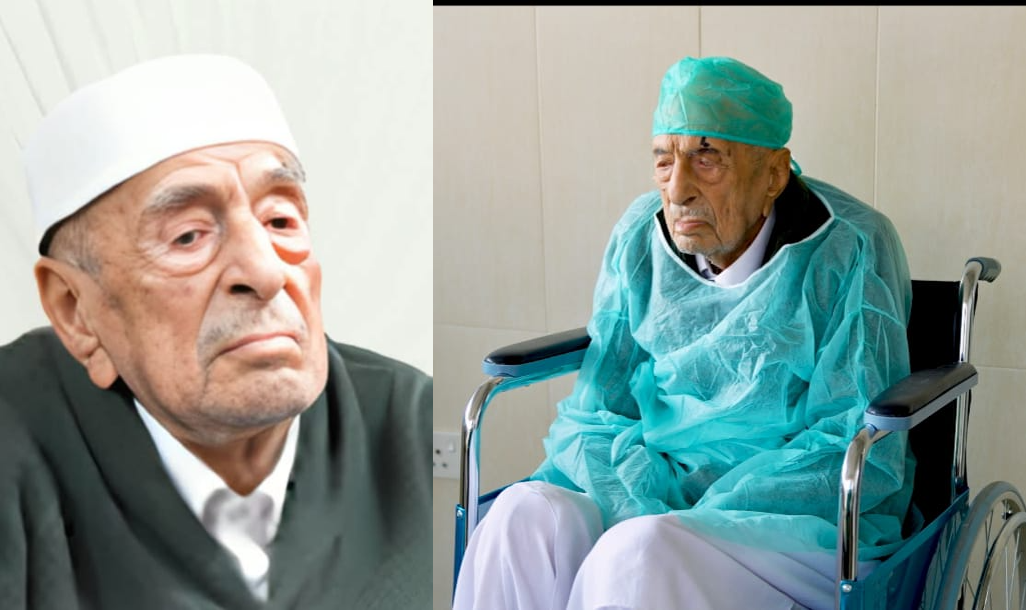
RAWALPINDI, Dec 23 (APP):Surgeons at Al-Shifa Trust(AST) Eye Hospital have restored the vision of a 101-year-old man after a complex cataract operation that several specialists had declined because of the patient’s age and underlying retinal disease, the hospital said on Tuesday.
Raza Khan, a resident of Islamabad, underwent the procedure at the Rawalpindi-based facility despite dense cataracts complicated by age-related macular degeneration (AMD), a condition that typically lowers the chances of success in very elderly patients.
The surgical team was led by Dr Sabeehuddin, who said advanced instruments and protective viscoelastic gels were used to minimise trauma to fragile eye tissues. “The operation involved more than removing a cloudy lens,” said the head of the cataract department. “We also had to manage retinal problems that usually limit visual recovery in patients of this age.”
Khan’s family said they had earlier been turned away by ophthalmologists in Islamabad and Rawalpindi, who cited high medical risks associated with the case.
Post-operative assessments showed a marked improvement, with the patient now able to recognise family members and move independently. Hospital officials described the outcome as among the oldest successful cataract interventions recorded in the region.
The case also carried personal significance for the institution.
Al-Shifa Trust operates six specialised eye hospitals across Pakistan, including Rawalpindi, Chakwal, Kohat, Sukkur, Muzaffarabad and Gilgit and is building a seventh facility in Lahore, scheduled to open in 2027. About 80 percent of its patients receive treatment free of charge or at heavily subsidised rates, according to the trust.
The success comes amid persistent challenges in eye care nationwide. Survey data show Pakistan has an estimated 2.7 million blind people, with cataracts accounting for about 51 percent of cases. Surgical coverage remains below 65 percent in many rural districts, leaving large numbers of elderly patients without access to treatment.
Hospital officials said the outcome highlighted advances in geriatric eye surgery and the growing role of philanthropic healthcare providers in addressing gaps left by an overstretched public health system.