Shawwal: A month of reflection, reward and voluntary fasting
Shawwal: A month of reflection, reward and voluntary fasting
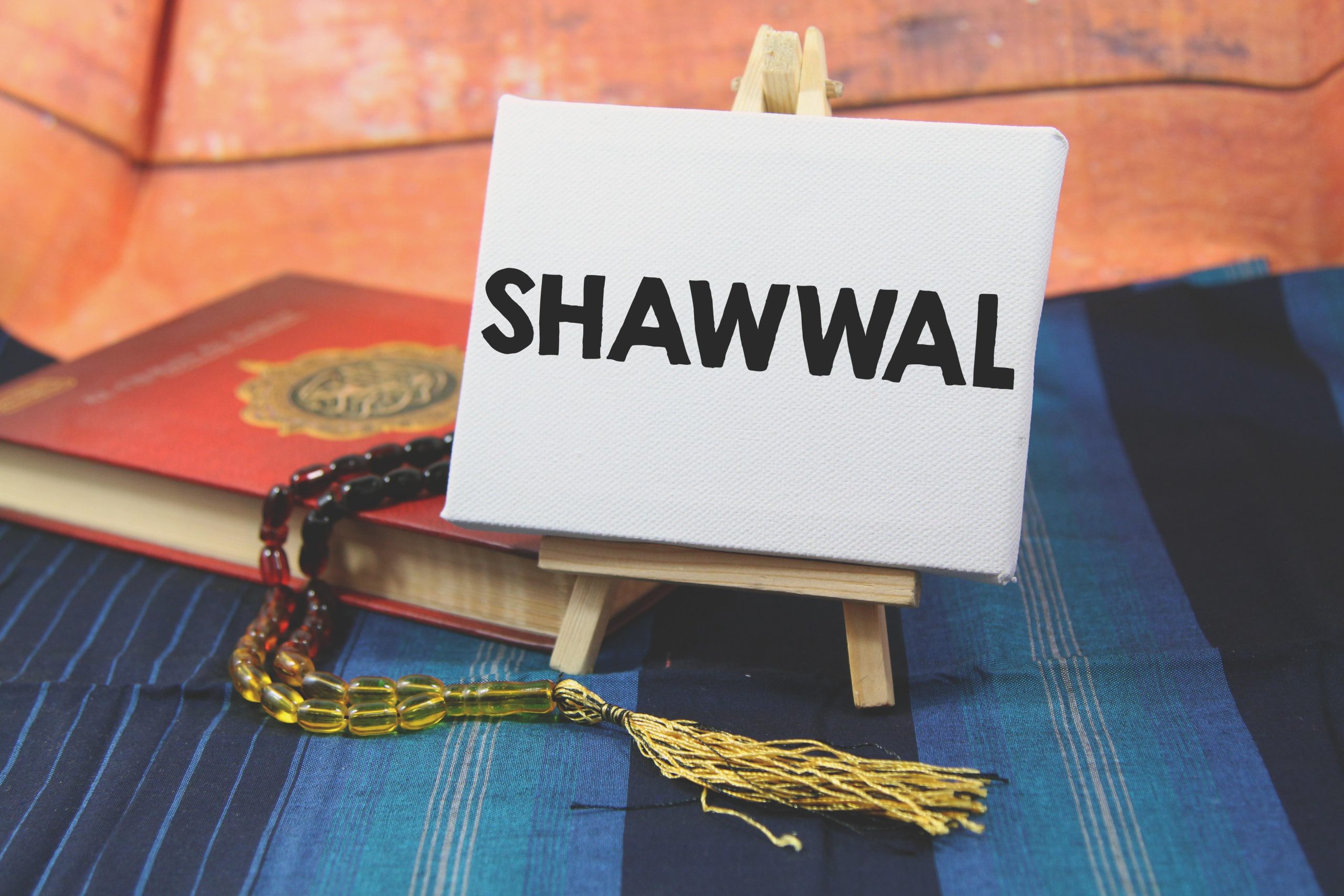
By Hina Durrani
ISLAMABAD, Apr 05 (APP): The Islamic month of Shawwal is underway after Eid-ul-Fitr marking continued spiritual reflection gratitude and voluntary worship for Muslims worldwide.
Shawwal, the tenth month of the Islamic lunar year, carries particular religious importance as it follows the holy month of Ramazan, during which Muslims observe fasting, prayer, and acts of charity.
Religious scholars and officials have highlighted the spiritual significance of Shawwal, urging believers to maintain worship and other spiritual practices.
Talking to APP, religious scholar and Information Secretary of the Jamaat-e-Islami Women Wing Islamabad, Sadia Saif shed light on the additional virtues of the month of Shawwal. She highlighted the significance of observing six voluntary fasts during this month, explaining that those who observe these fasts are rewarded as if they had fasted throughout the entire year.
Referring to a Hadith narrated by Abu Ayyub al-Ansari (RA), she said that the Holy Prophet Muhammad (SAWW) stated: “Whoever fasts during Ramazan and then follows it with six days of fasting in Shawwal, it is as if he has fasted for a lifetime” (Sahih Muslim).
She further clarified that these six fasts may be observed at any time during the month of Shawwal, offering flexibility and ease for believers. She emphasized that voluntary acts of worship serve as a means of seeking forgiveness for one’s shortcomings and mistakes.
“Allah is Most Merciful and desires to bestow His mercy upon His servants,” she stated, adding a prayer that Allah grant everyone the ability to benefit from His countless blessings and mercy.
She concluded by encouraging Muslims to continue their worship and spiritual practices beyond the month of Ramazan and to make the most of the opportunities for spiritual growth in Shawwal.
The official spokesperson of the Ministry of Religious Affairs and Interfaith Harmony, Muhammad Umar Butt, told APP that Shawwal holds great significance in Islam. Its first night is known as Laylat al-Jaiza (the Night of Reward), referring to the night of divine recompense. On the first of Shawwal, Muslims around the world celebrate Eid ul-Fitr, expressing gratitude to Allah and partaking in His blessings.
He said that those who observe the fasts of Ramazan and then keep six additional fasts in Shawwal are greatly rewarded, as established in authentic Hadith, particularly in the narrations of Sahih Muslim. It is stated that whoever fasts six days in Shawwal after Ramazan is considered as having fasted for the entire year.
“Shawwal is one of the months of Hajj. The Hajj season comprises three months—Shawwal, Dhul-Qa‘dah, and Dhul-Hijjah—with Shawwal being the first of these,” he noted.
He further shared that during the entire month of Shawwal, the Ministry of Religious Affairs and Interfaith Harmony will finalize preparations for Hajj pilgrims, including training, vaccinations, travel documentation, and other arrangements. This is to ensure that Hajj flights can commence from the first of Dhul-Qa‘dah and continue throughout the month. In this regard, Shawwal holds particular importance.