LAHORE, Mar 29 (APP):Pakistan Furniture Council (PFC) Chief Executive Officer Mian Kashif Ashfaq said here Sunday that Pakistan could enhance mutual trade to US$10 billion with Central Asian States almost three times higher than present level within few years. He said that direct trade with the region remains underutilised and largely confined to textiles, food products and limited industrial goods. This is inconsistent with broader efforts to enhance economic cooperation …
Pakistan has potential to raise trade with Central Asia up to $10b: PFC
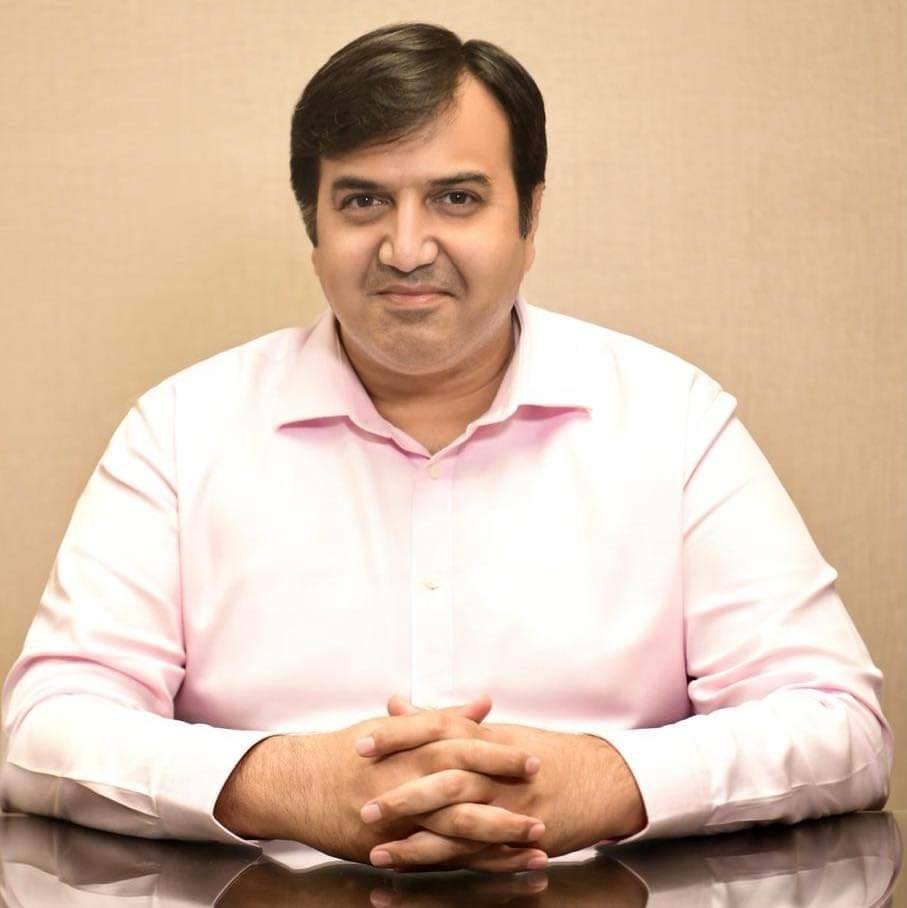
LAHORE, Mar 29 (APP):Pakistan Furniture Council (PFC) Chief Executive Officer Mian Kashif Ashfaq said here Sunday that Pakistan could enhance mutual trade to US$10 billion with Central Asian States almost three times higher than present level within few years.
He said that direct trade with the region remains underutilised and largely confined to textiles, food products and limited industrial goods. This is inconsistent with broader efforts to enhance economic cooperation through transit agreements, particularly with Uzbekistan and Kazakhstan, the two largest trading partners in the region and Pak products continue to enjoy steady demand,he added.
He said, in the wake of the economic uncertainties triggered by the ongoing conflict in the Middle East and the resulting volatility in global energy prices, shipping routes and financial markets, it has become increasingly important for Pakistan to diversify and strengthen its export markets.
He said excessive reliance on a limited number of traditional destinations has long constrained the country’s export growth and exposed it to external shocks. Under these circumstances, launching a focused campaign to expand goods exports to neighbouring South Asian and Central Asian markets has become an economic imperative.
Mian Kashif Ashfaq said Pakistan has the potential to export a wide range of engineering and industrial products including sugar mills, cement plant equipment and machinery for fertiliser, construction, and power generation industries. Strengthening transport connectivity, improving banking channels and expanding trade facilitation agreements will be essential if Pakistan is to translate the region’s considerable potential into meaningful economic gains.
At the same time, the region has substantial export potential, owing to its vast natural resources, including oil, natural gas, coal and minerals. With a combined GDP of roughly USD 347 billion and steady economic growth, the region’s key sectors include energy, agriculture (particularly grains and flour), textiles and mining. As Central Asian economies increasingly seek to diversify trade beyond their traditional partners, the region offers promising opportunities for new economic partnerships, he concluded.