LAHORE, Mar 18 (APP):Punjab Finance Minister Mian Mujtaba Shuja-ur-Rehman Wednesday chaired the first meeting of the Sub-Committee on Industries, SMEs, and Investment Promotion to review the proposed policy framework and progress made so far to accelerate industrial development, improve Special Economic Zones (SEZs), and promote small and medium enterprises (SMEs) across the province.
Minister chairs meeting of Sub-Committee on Industries
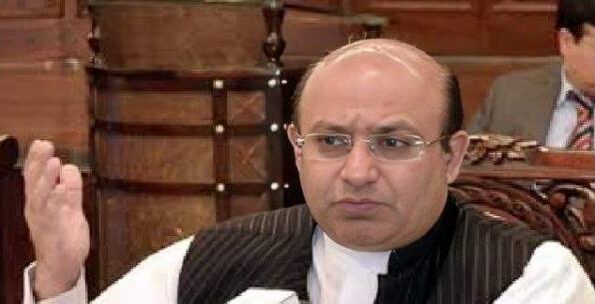
LAHORE, Mar 18 (APP):Punjab Finance Minister Mian Mujtaba Shuja-ur-Rehman Wednesday chaired the first meeting of the Sub-Committee on Industries, SMEs, and Investment Promotion to review the proposed policy framework and progress made so far to accelerate industrial development, improve Special Economic Zones (SEZs), and promote small and medium enterprises (SMEs) across the province.
Held here at PSIC House, the meeting was also attended by Senior representatives from the Planning & Development Board, and the departments of Industries, Energy, Agriculture, and Labour, and officials of Punjab Small Industries Corporation (PSIC), Punjab Information Technology Board (PITB), SMEDA (Small and Medium Enterprises Development Authority, Bank of Punjab, and other relevant organizations.
During the briefing, the Secretary Industries and Commerce informed the participants that the industrial sector contributes approximately 18 percent to Punjab’s GDP and accounts for nearly 42 percent of national exports. He underscored the need to strengthen industrial clusters and upgrade infrastructure to stimulate investment and drive sustainable industrial growth.
In his remarks, the Finance Minister highlighted that the Punjab government is undertaking policy-level reforms to create a more enabling environment for economic activity. He noted that new Special Economic Zones and industrial zones would be developed in line with investors’ requirements, while ensuring reliable and uninterrupted provision of utilities in existing industrial estates.
He emphasized that a cluster-based development approach would significantly enhance productivity and boost exports. The meeting also considered proposals for a dedicated SME growth package, including one-window facilitation, rationalization of inspection regimes, and incentives to bring businesses into the formal economy. In addition, proposals relating to improved access to finance, green technology upgradation, and support for compliance with international export standards were reviewed.
The participants stressed the importance of adopting a cluster development model, with a focus on public-private partnerships (PPPs) to establish shared infrastructure such as testing laboratories, warehousing, export facilitation services, and training centers. The need to align local industries with evolving international regulatory frameworks, including the European Union’s Carbon Border Adjustment Mechanism (CBAM), was also highlighted.
Sector-specific strategies aimed at enhancing productivity and export competitiveness in key industries, including food processing, leather, sports goods, and cutlery, were also discussed. These initiatives focus on technology adoption, workforce skill development, and improved integration with global markets.
Reaffirming the government’s commitment, the Finance Minister stated that Punjab remains focused on promoting industrial growth, facilitating investment, and generating employment opportunities. He directed the relevant departments to submit a comprehensive report containing actionable recommendations at the earliest for consideration by the Economic Transformation Committee.
He further reiterated that, under the leadership of Chief Minister Maryam Nawaz, Punjab is being positioned as a hub of industrial and economic activity through coordinated policy measures, modern infrastructure, and an investor-friendly business environment.