Home Blog Page 8406

ANF recovers 78 kg drugs in eight operations

0

RAWALPINDI, Aug 18 (APP):Anti-Narcotics Force (ANF) while conducting eight operations across the country managed to recover 78 kg drugs and arrested nine accused, said an ANF Headquarters spokesman.

He informed that 2.8 kg ice was recovered from two passengers going to Saudi Arabia and Bahrain at Islamabad Airport.

40.8 kg hashish and 2.4 kg opium were recovered in two different operations conducted near M-1 Islamabad while two accused were rounded up.

14.4 kg hashish was recovered from the possession of two suspects netted near Shahrah Wali, Karachi and 8.4 kg hashish was recovered from a motorcyclist intercepted in Sato Katla village near Lahore.

Six kg hashish and 1.2 kg opium were recovered from an accused held in Sector G-15, Islamabad.

2.2 kg hashish was recovered from the possession of an accused arrested in Sialkot.

Cases under the Anti-Narcotics Act have been registered against all arrested accused and further investigations are under process.

IRSA releases 427,600 cusecs water

0
IRSA

ISLAMABAD, Aug 18 (APP):Indus River System Authority (IRSA) on Sunday released 427,600 cusecs water from various rim stations with inflow of 456,100 cusecs.

According to the data released by IRSA, water level in River Indus at Tarbela Dam was 1549.30 feet and was 151.30 feet higher than its dead level of 1,398 feet. Water inflow and outflow in the dam was recorded as 291,400 cusecs and 282,200 cusecs respectively.

The water level in River Jhelum at Mangla Dam was 1213.35 feet, which was 165.35 feet higher than its dead level of 1,050 feet. The inflow and outflow of water was recorded 29,300 cusecs and 10,000 cusecs respectively.

The release of water at Kalabagh, Taunsa , Guddu and Sukkur was recorded as 348,600, 353,800, 390,200 and 372,600 cusecs respectively. Similarly, from River Kabul, a total of 65,800 cusecs of water released at Nowshera and 46,900 cusecs released from River Chenab at Marala.

Inflation’s ripple effects on public behavior, social values

0

By Nimra Durrani

ISLAMABAD, Aug 18 (APP): Pakistan’s economic landscape has been marred by fluctuating inflation rates over recent years, with notable changes from 2018 to 2022. Inflation rates surged from 5.08% in 2018 to a peak of 19.87% in 2022. This volatility has significantly influenced public behavior and heightened financial insecurity, leading to a compromised quality of life. The economic strain has not only intensified financial woes but has also eroded social values and community bonds, weakening traditional support systems and social cohesion.

Pakistan’s recent efforts to tackle economic instability, such as refining monetary policies and investing in key sectors, are commendable. Yet, achieving enduring stability will require more consistent, long-term measures. Strengthening economic fundamentals, boosting investor confidence, and implementing comprehensive reforms are crucial to achieve this economic stability.

Inflation in Pakistan is driven by an excess money supply from expansive monetary policies, which raises prices when it outstrips the availability of goods and services. Political instability further exacerbates the issue by undermining investor confidence and increasing operational costs for businesses. Additionally, fluctuations in the rupee’s value heighten uncertainty, as a weaker rupee raises import costs and servicing foreign debt, diminishing consumers’ purchasing power and affecting both imported and domestic goods.

Kanwal Syed, 44, an educationist and mother of three studying children, spoke to APP about her struggles with the rising cost of living. She shared, “Inflation has drastically changed our daily lives. We were forced to move our children from a private school to a more affordable one due to high fees. Dining out or going on family trips is now beyond our budget. We’ve had to rely on public transport to save on fuel, which affects our quality of life. The ongoing financial stress has made me anxious and overwhelmed. We’re struggling to maintain our previous lifestyle, and it’s impacting our mental well-being.”

Akhtar Malik, 52, a small business owner specializing in decorating for weddings and events, once regarded as well-off, expressed his difficulties to this scribe. He said, “Rising prices affect every aspect of my life. I’ve had to cut back on personal expenses and reduce spending on non-essentials. Keeping up with living costs is challenging and is taking a toll on my mental health. This financial strain is also affecting my relationship with my spouse. The pressure of managing a tighter budget and not being able to afford simple pleasures is impacting my overall health.”

The psychological impact of inflation is profound. Rising prices and reduced purchasing power lead to increased financial stress and anxiety. Managing a tighter budget is overwhelming, especially for those living paycheck to paycheck. The constant pressure of meeting daily needs amid fluctuating prices contributes to significant mental strain.

A clinical psychiatrist Dr Maryam, commenting on the current economic volatility and its impact on human health, particularly among the lower middle class, said, “Economic instability has a deep effect on mental health. For the lower middle class, rising costs and reduced financial security heighten stress and anxiety. This demographic often experiences a significant psychological burden, including increased rates of anxiety, depression, and other mental health issues. Managing tighter budgets and coping with financial uncertainty can significantly affect overall mental health. Addressing these challenges is crucial, as understanding the link between economic conditions and psychological well-being is vital. For instance, out of the patients she examines, a substantial number have psychological issues rooted in economic complications.”

She also pointed out that isolated incidents of suicide and increasing rates of immigration are tragic consequences of the economic strain. “This is contributing to unpleasant outcomes, highlighting the urgent need for comprehensive support systems,” she added.

in a nutshell, Pakistan’s experience with inflation reflects the complex interplay between exchange rate dynamics, production costs, political stability, and monetary policy. These factors shape an economic environment where consumers must navigate rising costs and adjust their spending habits. Understanding the multifaceted nature of inflation and its effects on consumer behavior is essential for both individuals and policymakers. This financial stress underscores the broader implications of inflation on everyday life, and demands effective policy responses for ordinary public.

Four killed as passenger bus falls into ditch in Buner

0
rescue 1122
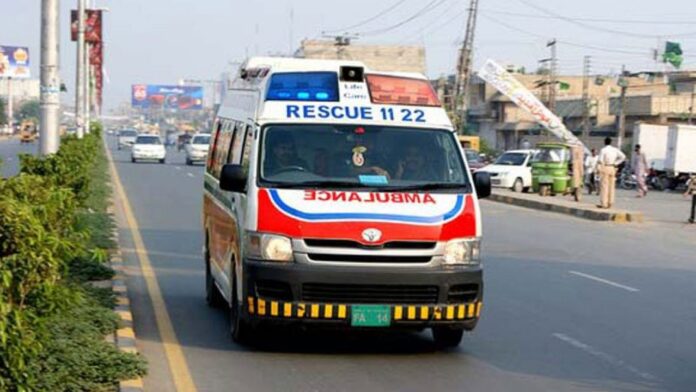
ISLAMABAD, Aug 18 (APP):As many as four people, including women, died on the spot while several were injured when a passenger bus fell into a ditch in Buner District on Sunday afternoon.
 As per details, the accident occurred when the coach driver lost control of the high-speed vehicle due to a road
bump, as a result four passengers lost their lives on the spot, a private news channel reported.
 According to the Rescue 1122 spokesperson, the coach was carrying passengers including women and children
when it fell.
 Rescue teams and police rushed to the site and shifted the bodies and the injured to the THQ Hospital in the district

PM vows to tackle power issues, streamlining energy matters on priority

0
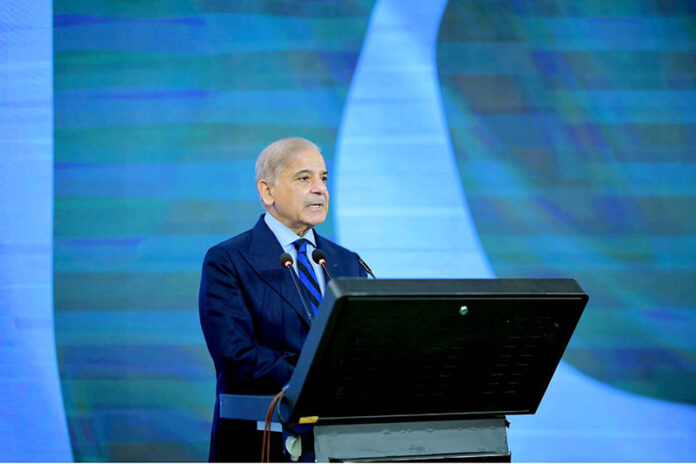
Prime Minister Muhammad Shehbaz Sharif addresses a banquet ceremony organized in honor of Olympic Gold Medalist Arshad Nadeem at the Prime Minister's House
APP88-130824 ISLAMABAD: August 13 - Prime Minister Muhammad Shehbaz Sharif addresses a banquet ceremony organized in honor of Olympic Gold Medalist Arshad Nadeem at the Prime Minister's House. APP/ABB
ISLAMABAD, Aug 18 (APP):Prime Minister Muhammad Shehbaz Sharif on Sunday expressed the government’s resolve to stop electricity theft, reduce line losses, and improve the power distribution system across the county.
He informed that recently the government had appointed new board chairmen and members in five power distribution companies (DISCOs) through a transparent process. He hoped that these appointments would further improve the performance of DISCOs.
Presiding over a meeting held here to review the matters of Power ministry, the prime minister directed the Power Minister and Secretary Power Division to coordinate with the provinces concerning halting the electricity theft, performance of DISCOs and other matters of the sector.
“A whole of the government approach should be adopted to resist power theft across the country,” the prime minister said.
He directed the provincial governments to maintain the number of police force and Tehsildars as per the DISCOs’ needs. He also ordered the concerned authorities to deal with the corrupt elements in the power distribution companies with an iron hand and take strict action against them.
He directed DISCOs to make the kutchehri system more effective and result-oriented for public complaints.
PM Shehbaz said that the steering committee formed to shift agriculture tube wells to solar energy in Balochistan should convene immediately.
The meeting was informed that the Standard Operating Procedures (SOPs) regarding the transfer of agricultural tube wells in Balochistan to solar energy had been notified to the Steering Committee. The meeting was further informed that a package was being prepared regarding the acknowledgement of officers who had shown good performance.
The meeting was attended by Minister for Planning Ahsan Iqbal, Minister for Economic Affairs Ahad Khan Cheema, Minister for Power Awais Khan Leghari and other officers of the relevant ministries and divisions.

Shaza refutes reports of internet slowdowns or closures

0
ISLAMABAD, Aug 18 (APP):Minister of State for Information Technology and Telecommunication, Shaza Fatima Khawaja Saturday, refuted reports that the government had slowed down or closed the internet nationwide.
Addressing a press conference, she said, “The news circulating on social media that the government is throttling the internet is completely baseless and has no reality.”
She further clarified that issues with certain apps were causing difficulties in downloading, leading to an increase in VPN usage, which contributed to the slowdown in internet speeds.
However, she said, “These issues have been resolved due to the government’s efforts.”
Technical experts and internet service providers were also consulted to address the situation, she added.
Shaza Fatima said, “Internet providers, telecom companies, and the Pakistan Telecommunication Authority (PTA) have been invited to a meeting next week to ensure that consumers do not face similar issues in the future.”
She urged people to discuss Pakistan responsibly, as a positive perception would attract investment to the country.
“The government remains committed to supporting the information technology sector.”
Highlighting the government’s achievements, Shaza Fatima said that ICT export remittances surged to $3.223 billion during the financial year 2023-24, compared to $2.596 billion in the previous fiscal year. She credited this increase to the steps taken by the government to boost IT exports.
With robust support from the Special Investment Facilitation Council (SIFC), the Ministry of IT, the Pakistan Software Export Board, and the IT industry, Shaza Fatima expressed commitment to further enhancing the country’s IT exports.
She highlighted Prime Minister Shahbaz Sharif’s focus on advancing Pakistan’s IT sector and attracting more investment into the industry. She mentioned that the Prime Minister has prioritized national digitalization, formed an interim committee, and prepared a draft bill. The bill has been dispatched to the law ministry, and the government plans to soon establish a National Digitization Commission, which the Prime Minister will personally chair to advance the digitalization of the economy, governance, and society.
“The Digital Pakistan Policy is paving the way for the next phase of digital transformation. Digital inclusion is a government priority, with a strong commitment to bridging the digital divide between rural and urban areas,”she said.
“Digital technologies are essential for the country’s progress, and initiatives are being taken for digital innovation and infrastructure development.”
Shaza Fatima also stressed the importance of digital payments, noting that the digitization of financial transactions was crucial.”
“Efforts are underway to make the federal government paperless as soon as possible,” she informed.
She said, “Federal budget allocated Rs 60 billion to the IT sector.”
“Rs. 4 billion had been allocated to equip children with essential coding skills, supported by certificates from global tech giants like Google and Meta.”
“Due to efforts of the Prime Minister’s efforts, Huawei will train approximately 300,000 children.”
Shaza Fatima said, “The government is planning to build IT parks in Islamabad and Karachi. The Islamabad IT Park would be completed by March 2025, is expected to create 10,000 jobs”.
She also highlighted the expansion of e-employment centers across the country, with 250 new centers set to open, initiative that started in Punjab under Shahbaz Sharif’s leadership in 2011, aimed to provide widespread access to digital employment opportunities.
“Currently, 43 special technology parks are operational, with plans to add 20 more in the coming days.”
“Further initiatives include the establishment of an IT City in Islamabad, designed to house all IT-related facilities in one place,” she told.
She said, “Three new incubation centers are planned, one of which will be exclusively for women, reflecting a commitment to gender inclusion in the tech industry.”
Shaza Fatima also shared inspiring stories of young Pakistani innovators.”
“These stories exemplify the potential of Pakistan’s youth in the tech sector,” she hailed.
“To support startups, a Pakistan Startup Fund will be created, along with the launch of the “Bridge Start” program, backed by Rs. 1 billion.”
She also highlighted the gaming industry, stating that Pakistan has gaming experts and that this industry is generating significant revenue for the country.
” The government is committed to promoting the gaming industry by establishing Centers of Excellence in Gaming and Animation (CEGA) in Karachi and Lahore.”
“We hope that through CEGA, Pakistan will be able to increase its share,” she added.
“Pakistan is making significant strides in advancing its digital infrastructure, with the establishment of the country’s first virtual production studio. This initiative aims to provide young men and women with state-of-the-art facilities.”
“The government is also focused on attracting international companies to set up offices in Pakistan,” she told.
“Digital transformation is expected to be a game-changer, with a $78 million project already underway in collaboration with the World Bank,” shaza said.
“Efforts are being made to integrate large data sets to create a unified digital identity for every citizen, streamlining processes and reducing the need for long queues.”
“Payments and other government services are expected to become more transparent and accessible via mobile phones.”
“The government is encouraging the use of digital payments, with a target to install QR codes at over a million locations this year. This move is expected to increase tax revenues and bring Pakistan closer to the payment systems used in developed countries.”
“Pakistan’s first AI policy is also in the works, with input from local and international AI experts.”
“A national cybersecurity policy and a fiberization policy are being developed to ensure widespread and secure internet access across the country.”
“Next year, Pakistan plans to auction the 5G spectrum in the first and second quarter.”
“The government is also introducing four new internet cables—SMW6, 2Africa, 2Africa One, and Makran Gulf Gateway—to improve internet connectivity and access to high-speed, reliable internet across the country,” shaza informed.


Wildlife Dept arrests 2 bird catchers

0

SARGODHA, Aug 18 (APP):The Wildlife Department has got arrested two people for illegal bird catching in the area of Kot Momin tehsil.

Talking to APP on Sunday, Deputy Director Wildlife Department Arooj Zaheer said a team consisting of In-charge District Raid Squad Syed Sajid Abbas, Wildlife Inspector Ali Raza and Wildlife Inspector Tehsil Kotmomin Ansar Riaz raided Ghous Wala village of tehsil Kotmomin and recovered 500 different species of birds and a net from the accused.
Legal proceedings were initiated against the arrested individuals, who were fined Rs 30,000 as a penalty, she said.

The deputy director said the department was fully committed to protecting wildlife and enforcing environmental laws as per its objective.

PDMA Punjab warns of potentially flash flooding

0
ISLAMABAD, Aug 18 (APP):With flash flooding expected to hit southern Punjab in the next 24 hours, the Provincial Disaster Management Authority (PDMA) Punjab’s spokesperson has sounded the alarm, advising citizens to exercise extreme caution and take necessary precautions.
 Talking to a private news channel, he assured that the PDMA is closely monitoring the situation and working in tandem with local authorities to mitigate the effects of the flash flooding.  Emergency response teams are on standby and relief supplies are being pre-positioned in vulnerable areas, he added.
 The PDMA is also disseminating critical information through various channels to keep citizens informed, he mentioned.
 Responding to a query, he made it clear that despite circulating rumours PDMA has already clarified that river water levels remained stable. He assured citizens that the overall situation is under control.
 “We have taken all necessary precautions and are fully prepared to respond to any emergencies that may arise”, he highlighted. He urged citizens to remain vigilant and follow safety guidelines but emphasized that there is no need to panic as the situation is being managed effectively.
 Citizens are urged to stay tuned to local news and follow official social media accounts for updates on the flash flooding situation, he stated.

Rich nations carbon emissions’ hidden price paid by vulnerable countries.

0
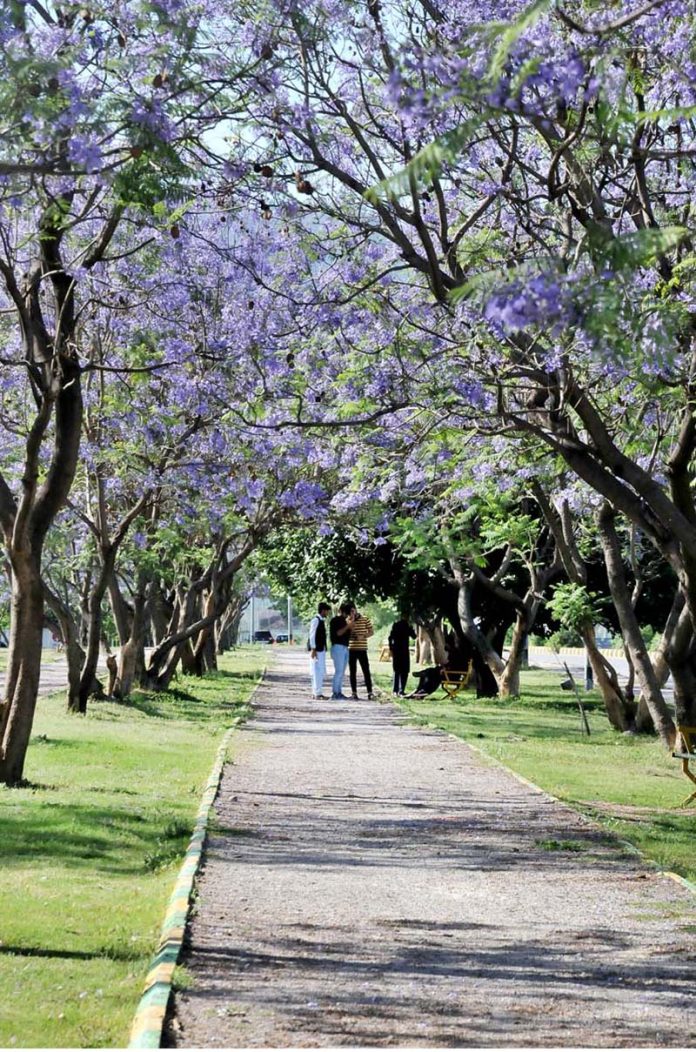
APP03-240423 ISLAMABAD: April 24 – An eye catching view of tree flowers blooming along the green belt area on 7th avenue. APP/SAK/ABB
ISLAMABAD, Aug 18 (APP):Despite lofty pledges to curb carbon emissions and combat climate change, developed nations have largely fallen short of their commitments. This failure has intensified climate catastrophes in vulnerable countries like Pakistan, Bangladesh, and Madagascar, laying bare the harsh reality of how broken promises from the world’s wealthiest nations are devastating the world’s most at-risk populations.
The Industrial Revolution in the 18th and 19th centuries marked a significant turning point with economic growth and technological advancement. However, it also led to a surge in carbon emissions due to the widespread use of coal and fossil fuels.
This period set the stage for the accumulation of carbon dioxide in the atmosphere, leading to global warming and environmental consequences. According to “Nature Reviews Earth & Environment,” global CO2 emissions for 2022 increased by 1.5% relative to 2021 and by 2.0% relative to 2019, reaching 36.1 GT CO2. The International Energy Agency (IEA) reported that global energy-related CO2 emissions grew by 1.1% in 2023, hitting a record high of 37.4 billion tonnes, an increase of 490 MT from 2022. Coal emissions accounted for more than 65% of this rise. Major CO2 emitters include China, the EU, India, Japan, and the United States.
The emissions from these countries significantly impact third-world nations, often feeding environmental and economic challenges. For instance, the adverse effects on low-income communities, especially in terms of health and economic stability, are substantial.
In recent years, vulnerable countries have endured severe climate catastrophes intensified by carbon emissions from industrialized nations, resulting in widespread devastation. In July 2023, Cyclone Batsirai struck Madagascar, causing extensive flooding, destruction of homes, and loss of livelihoods. Earlier, in May 2023, record monsoon rains led to severe flooding in Bangladesh, displacing millions and damaging infrastructure and agriculture.
Similarly, in September 2022, unprecedented monsoon flooding in Pakistan affected over 33 million people, destroying crops and causing a humanitarian crisis. These events underscore how climate change, driven by emissions from richer countries, worsens economic and social issues in poorer nations. In Madagascar, Cyclone Batsirai also damaged healthcare and education infrastructure, exacerbating social inequalities. Frequent typhoons in the Philippines have disrupted daily life and education, forcing many into temporary shelters. These impacts highlight the urgent need for developed nations to address their carbon emissions and support adaptation efforts in these vulnerable regions.
Professor Sanabil Sibtain of Bahria University, an expert in Global Governance and Development, talking to APP highlighted the China Unified Carbon Market launched on July 16, 2021, which aims to help China meet its carbon reduction targets. India pledged to reach net-zero emissions by 2070 at COP 26 in Glasgow. COP27 faced challenges where many countries prioritized energy security over aggressive emission reduction targets.
Professor Sibtain also discussed the Clean Energy House Programme introduced by the Pakistan government in 2018, designed to enhance environmental quality, green spaces, and carbon footprint awareness. Climate Justice events link climate crises to social, racial, and environmental issues, such as the disproportionate effects on low-income and BIPOC communities in California’s Bay Area Oil Corridor, underscoring the need for equitable solutions. To tackle climate issues, various international agreements have been established.
Some major initiatives to combat climate change and reduce carbon emissions are the 2015 Paris Agreement aimed at limiting global warming to 2°C above pre-industrial levels. Pakistan, a signatory, also follows the Kyoto Protocol’s binding emission reduction targets. The UN promotes climate action through the Conference of Parties (COP) and the United Nations Environment Programme (UNEP), focusing on global sustainability and evaluating the responsibilities of developed nations.
Several developed nations, such as the United States, the European Union, and Australia, committed to reducing
carbon emissions and investing in climate change prevention through agreements like the Paris Agreement. However, many of these countries have not upheld their promises, resulting in severe repercussions for developing and vulnerable nations. It is crucial for these wealthy nations to awaken to their responsibilities and take immediate, actionable visible measures to support those most affected, ensuring that their commitments translate into meaningful change.

PM vows to tackle power issues, streamlining energy matters on priority

0
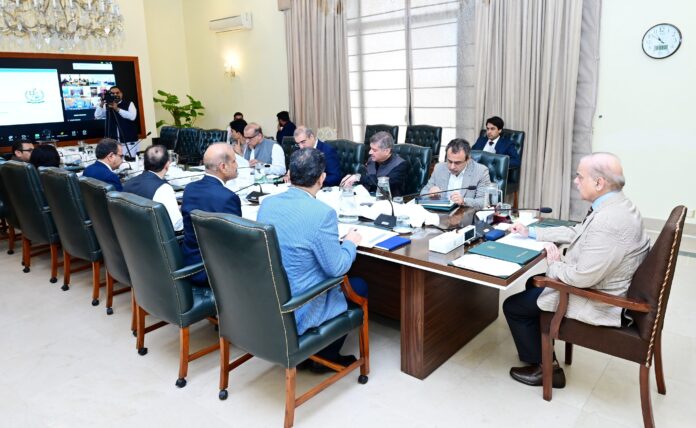
Islamabad: Prime Minister Muhammad Shehbaz Sharif chairs a meeting on the matters related to Power Division, Ministry of Energy.

ISLAMABAD, Aug 18 (APP): Prime Minister Muhammad Shehbaz Sharif on Sunday expressed the government’s resolve to stop electricity theft, reduce line losses, and improve the power distribution system across the county.

He informed that recently the government had appointed new board chairmen and members in five power distribution companies (DISCOs) through a transparent process, hoping that these appointments would further improve the performance of DISCOs.

Presiding over a meeting held here to review the matters of Power ministry, the prime minister directed the Power Minister and Secretary Power Division to coordinate with the provinces with respect to halting the electricity theft, performance of DISCOs and other matters of the sector.

“A whole of the government approach should be adopted to resist power theft across the country,” the prime minister said.

He also directed the provincial governments to maintain the number of police force and Tehsildars as per the DISCOs’ needs.

He also ordered the concerned authorities to deal with the corrupt elements in the power distribution companies with iron hand and take strict action against them.

He directed DISCOs to make the kutchehri system more effective and result oriented with respect to the public complaints.

PM Shehbaz said the meeting of the steering committee that was formed in connection with shifting of agriculture tubewells to solar energy in Balochistan, should be called immediately.

The meeting was informed that the Standard Operating Procedures (SOPs) regarding the transfer of agricultural tube wells in Balochistan to solar energy had been notified to the Steering Committee.

The meeting was further informed that a package was being prepared regarding acknowledgement of officers who had shown good performance.

The meeting was attended by Minister for Planning Ahsan Iqbal, Minister for Economic Affairs Ahad Khan Cheema, Minister for Power Awais Khan Leghari and other officers of the relevant ministries and divisions.