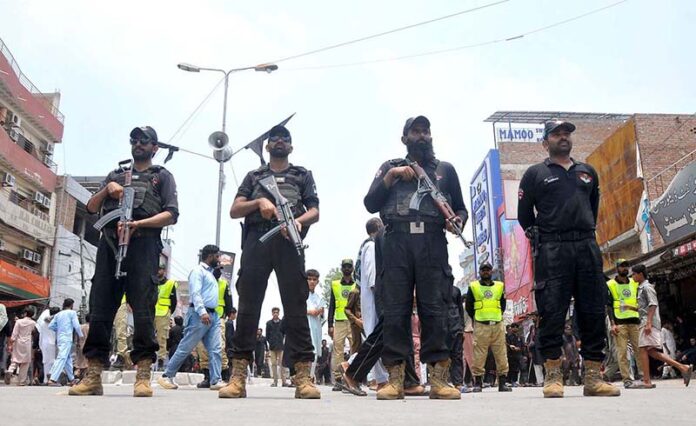
Nine more gas meters severed over violations
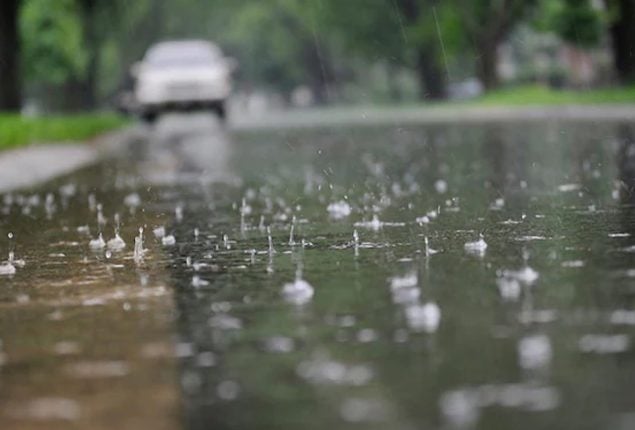
Rain forecast
Pakistan debuts in major US ice hockey tournament, defeats Brazil after two losses
NEW YORK, Aug 25 (APP): For the first time ever, Pakistan is competing in an international ice hockey tournament being held in Coral Springs, a city in the U.S. state of Florida, with the young team performing satisfactorily in its very first appearance in a major contest, according to reports received here.
Team Pakistan, a combination of players of Pakistani descent, hastily put together by Donny Khan, a Pakistani-American who is a senior official in the US National Hockey League (NHL), a highly popular ice hockey league in North America comprising 32 teams – 25 in the United States and 7 in Canada. It has been growing and now teams from all allover the world are taking part, according to a NHL publication.
Pakistan made its debut this year after Donny Khan worked hard and found 18 players of Pakistani origin from across the United States who now are sporting the national green and white colours, representing Pakistan at the Latin America (LATAM) Cup at the Florida Panthers IceDen in Coral Springs.
Umar Khan, also a Pakistani-American and former NHL intern, helped Donny Khan find players through word of mouth and scouring social media, the publication said.
The tournament features 52 men’s, women’s and youth teams and more than 1,100 players representing 17 countries and territories, including Argentina, Armenia, Brazil, Chile, Colombia, Egypt, Greece, Lebanon, Mexico, Puerto Rico and Venezuela. Pakistan is the latest addition to the tournament.
After initial losses, the Pakistani team rebounded on Friday to record its first victory in this prestigious tournament, defeating Brazil by 5 goals to two. Earlier, Pakistan went down fighting to Mexico 6-5 on Thursday and in the opening match on Wednesday, lost to Chile 8-3.
Pakistan team’s defenceman Saem Iftikhar, a student at City College in New York, won a berth in the national team after playing just five games.
“Three games at City College and now I’m representing my country,” an elated Iftikhar was quoted as saying in the NHL publication..
“Ever since I got into (ice) hockey, I’ve been dreaming about bringing it back to Pakistan,” he said.
“I look around and I see Pakistani heritage players. This is a dream come true. I think it’s the first step in a much larger operation,” Saem Iftikhar added.
On his part, Umar Khan said, “My father always taught me to be very passionate about my heritage. Just being able to represent my father’s country, my grandfather, who came from Lahore in the 1940s, and just to represent them and put it in the game that I love, I was ecstatic about it.”
Also, Donny Khan said Pakistan’s LATAM Cup debut won’t be a one-off; he and the other players already are talking about returning with another men’s team, and a women’s team.
“We’re actually in conversations right now with the Winter Sports Federation of Pakistan,” he said. “We have their official blessing. We’re trying to fully establish ourselves as a club and part of the sports federation of Pakistan.
“The long-term goal is that we inspire people in Pakistan and eventually have a team Pakistan in the Asia Winter Games and one day, God willing, in the Winter Olympics.”
Climate shift sowing seeds of uncertainty in Pakistan’s fields
By Tassawar Abbas
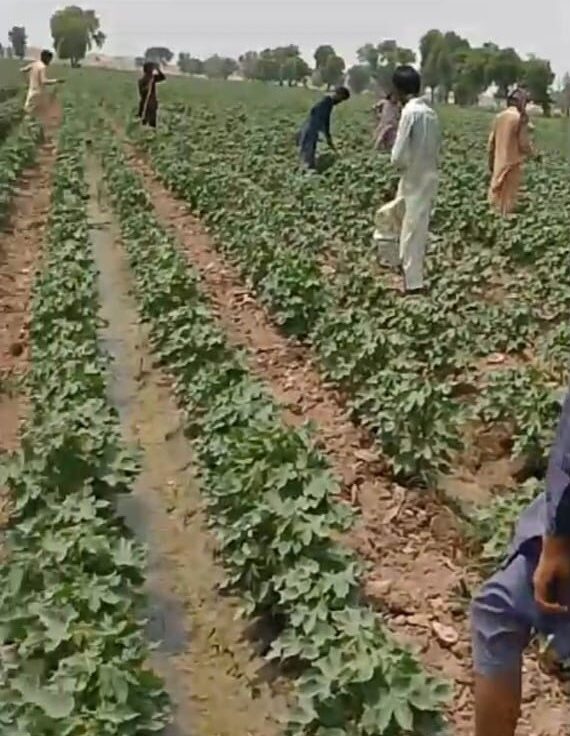
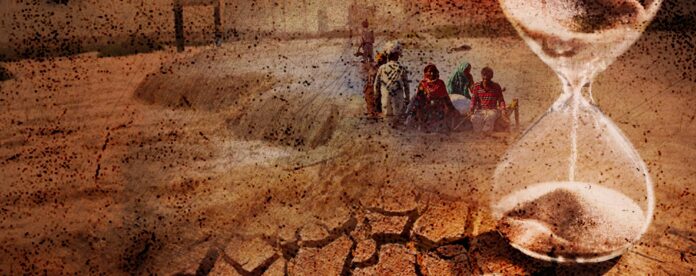
ISLAMABAD, Aug 25 (APP):: In Pakistan, where agriculture is not just an industry but a way of life and cornerstone of the economy, climate change is disrupting traditional patterns. Increasingly severe droughts and erratic monsoons are jeopardizing food security, rural livelihoods, and the economy. With agriculture employing nearly 45% of the population and contributing 24% to GDP, the sector’s vulnerability to climate change is imminent.
The agricultural sector in Pakistan is facing significant challenges due to rising temperatures, shifting precipitation patterns, and more frequent extreme weather events. These factors are transforming agriculture, leading to reduced yields and heightened uncertainty. Prolonged droughts, heatwaves, and floods further threaten the livelihoods of those dependent on farming.

Pakistan’s diverse cropping systems, including Rabi and Kharif crops, are heavily reliant on stable water availability and temperature. Major crops such as wheat, rice, sugarcane, and maize are increasingly at risk. A study by Cradock-Henry (2020) predicts an 8% to 10% decline in agricultural production by 2040 due to these changes. The data shows a 0.9°C rise in average temperature from 1980 to 2021.
Dr. Lubna Ansari, an agricultural and climate expert, talking to APP noted that higher temperatures disrupt cropping seasons and reduce grain quality, particularly for wheat and mangoes. Recent reductions in wheat and rice production—14.7% and 20.5% respectively—reflect these impacts, contributing to higher market prices.
Water scarcity is adding to these problems. Pakistan relies heavily on the Indus River system for irrigation, drinking, and industrial use. However, changing precipitation patterns and increased evaporation are straining this vital resource. The reduced flow in the Indus Basin affects irrigation, while Pakistan’s low wastewater treatment rate and high water withdrawals further stress the system. Without improved water management and conservation, severe shortages could threaten productivity.
Dr. Noman Latif Sadozai, Senior Director, Climate Energy & Water Research Institute, National Agricultural Research Centre, talking to APP said, erratic monsoon rains result in droughts followed by intense flooding, complicating water management. During droughts, water shortages force reductions in crop areas or shifts to less water-intensive crops, leading to lower yields and financial losses. Conversely, excessive rainfall damages crops and causes soil erosion, further impacting productivity.
Climate change also promotes the spread of pests and diseases, which thrive in warmer, more humid conditions. Crops like cotton and sugarcane are particularly vulnerable, leading to significant losses and threatening both food security and farmer livelihoods.

Shamraiz Akhtar, a farmer from Baharwal village in Gujrat, describes the harsh reality of climate change. Excessive heat destroyed 80% of his maize crop, and excessive monsoon rains have swept away his pearl millet and rice. He laments, “The effects of climate change have been severe for poor farmers like me.”
Similarly, farmer Junaid Ali, from Amra Kalan town known for its rich agriculture fields in Kharian, has faced devastation. Hailstorms and heavy rains ruined his vegetables, resulting in significant losses. “Fields that once grew ladyfinger and chili are now barren,” he reports, with 80% of his crops damaged.
Muhammad Arif Goheer, head of the Agricultural and Coordination Section at the Global Climate-Change Impact Studies Centre Islamabad, stresses the urgency of adopting climate-resilient practices and overhauling water management strategies. Without robust intervention, Pakistan’s agricultural sector could face severe productivity declines, endangering its economy and rural communities. Immediate action is crucial to preserve the nation’s agricultural heritage and secure the future of millions who depend on it.
Quratulain, an Agriculture Officer at the Punjab Agriculture Extension Department Rawalpindi, adds that a 1.5°C to 2.0°C rise in temperature due to global warming is severely affecting food production. High temperatures impact rice grain filling, sowing, soil moisture, seed germination, and harvesting. Changing rainfall patterns also harm wheat crops, with insufficient rain during critical periods and excessive rain in March and April reducing yields.
In conclusion, the agriculture and climate experts have advised Pakistan to urgently adopt climate-resilient agricultural practices, enhance water management strategies, and implement robust early warning systems to mitigating the adverse effects of climate change. Without these critical measures, Pakistan’s agricultural sector faces a severe risk of productivity decline, which could devastate rural livelihoods and undermine a key pillar of the national economy. It is imperative for policymakers and relevant authorities to act swiftly and strategically to safeguard the future of agriculture and the millions who depend on it.
Chappli Kabab: A culinary delight drawing food lovers in droves on weekend
PESHAWAR, Aug 25 (APP): Renowned for its distinctive aromas and mouthwatering taste, Peshawar’s culinary landscape is graced by a standout dish: Chappli Kabab.
This delectable treat, celebrated for its robust spiciness and rich flavour, draws food enthusiasts not only from across Pakistan but also from neighbouring Afghanistan and the Gulf region, particularly on the weekends at Peshawar, home to mouthwatering cuisines.
Chappli Kabab holds a cherished place in Peshawar’s local food cuisine, admired for both its irresistible taste and affordability. Its popularity among visitors and locals alike makes it a staple offering at numerous eateries throughout the city.
In Peshawar’s bustling bazaars and food streets especially at historic Qissa Khwani, the enticing aroma of Chappli Kabab fills the air, emanating from large, black frying pans and beckoning curious diners.
The dish is prepared in a distinctive large frying pan, where minced beef or buffalo meat is combined with corn flour, chopped onions, spices, and salt, creating a unique and tantalizing flavour.
Arif Ahmad, a prominent Chappli Kabab vendor at Firdus Bazaar, sits composed in his high armchair amidst the hustle of shoppers. Arif inherited his craft from his father, Jalil Khan, and his grandfather, Jumma Khan, who established their Chappli Kabab business in 1950.
Arif’s shop, located in front of Kanumgam Park, features a large black frying pan and a tray of 50 kilograms of marinated meat. He notes, “These days, most Chappli Kabab lovers prefer to take parcels ranging from one to five kilograms for home parties rather than dining out.”
Reflecting on his family’s legacy, Arif adds, “After my father’s passing, all six of his sons have continued the business with hopes of passing it on to the next generation. What began with a single frying pan 74 years ago has now expanded to six locations, including one at Melody Food Street in Islamabad.”
The preparation of Chappli Kabab involves mincing meat, which is then mixed with tomatoes, red chilli powder, onions, dry coriander leaves, eggs, ginger, lemon juice, salt, and pomegranate seeds. This mixture is carefully marinated before being cooked for just 10 minutes, yielding a delicious kabab served with chutney, ketchup, salad, yogurt, and naan.
Eminent writer and traveler Qari Javed Iqbal, in his book *Saqafat Sarhad Tarikh K Ayeene Me* (Frontier Culture in the Mirror of History), traces the origins of Chappli Kabab to the Mughal dynasty. He noted that the dish evolved as a result of the carnivorous diets of invading kings and warriors, who introduced new meat preparation methods to India.
Chappli Kabab’s fame spread beyond Peshawar to Karachi, Lahore, Quetta, and other cities in Pakistan, as well as to Jalalabad, Kabul, Amritsar, Lucknow, and Delhi.
In Peshawar alone, over 3,000 Chappli Kabab outlets, large and small, thrive in areas like Firdus, Bakhshu Bridge, Warsak Road, and Ring Road, among others.
Local resident Zeshan Qaiser, enjoying the dish at Qissa Khwani Bazaar, expresses his passion: “Chappli Kabab is my favorite dish, and no meal feels complete without its aromatic bites.”
Despite its popularity, the price of Chappli Kabab has risen, with one kilogram now selling for Rs650 to Rs700, compared to Rs550 to Rs600 last year. This price increase has prompted calls for regulatory measures.
Arif also highlighted the demand for Chappli Kabab in countries like the UAE and Saudi Arabia, where it is sent for special occasions such as weddings and celebrations.
In response to concerns about food safety, a Food Services and Halal Authority spokesman emphasized the challenge of combating adulteration in spices used in traditional dishes.
To address this, seven mobile testing laboratories have been set up across KP, with plans for ten more in major cities. The establishment of food training schools and the implementation of stringent food safety regulations are also underway to ensure the integrity of traditional cuisines.
As Chappli Kabab continues to captivate taste buds, its rich history and evolving presence stand as a testament to Peshawar’s vibrant culinary heritage.

CTP issues 42,388 challans to violators
DI Khan vulnerable to various climate-related natural hazards
Dera Ismail Khan, Aug 25 (APP): Dera Ismail Khan district is one of the districts of Pakistan that is most vulnerable to the effects of climate change which is evident from the recent flash floods and rising temperature.
The district is vulnerable to various climatic hazards like extreme high temperature, flash Flood, Riverine floods, urban flood, landslides, avalanches and heavy rainfall in the mountainous regions along Hindu Kush Range. The heavy rainfall in Baluchistan and Afghanistan generates heavy floods that travel through the mountains and enter plains of District DIKhan through different Zams.
The flood channels under different Zams have badly been deteriorated due to non-maintenance by the Rodh Kohi Department as they are silted up; embankments are breached and natural plants are grown on beds of the channels with the result they cannot take the pressure of unusual floods and the flood water overflows and makes its own way damaging infrastructure, destroying agriculture, killing livestock and human beings.
Under future climate change scenarios, DIKhan is expected to experience increased variability of river flows due to increased variability of precipitation and the melting of glaciers. Demand for irrigation water may increase due to higher evaporation rates. Yields of wheat and rice are expected to decline subject to water availability. Mortality due to extreme heat waves may increase. Urban drainage systems may be further stressed by high rainfall and flash floods.
While talking to APP, Ahmad Zeb Khan the climate expert associated with Serve organisation suggested that to achieve the goal of sustained economic development, we have to work on these objectives. First, To pursue sustained economic growth by appropriately addressing the challenges of climate change. Second, To focus on pro-poor gender-sensitive adaptation, while also promoting mitigation to the extent possible in a cost-effective manner. Third, To ensure water security, food security and energy security of the area in the face of the challenges posed by climate change. Fourth, To minimize the risks arising from the expected increase in frequency and intensity of extreme weather events such as floods, droughts, and tropical storms. and Fifth, To establish a proper mechanism of early warning system to minimize damages and loss of life, he added.
In 2022, the 233 villages of five Tehsils of District DIKhan were hit by hill torrents due to climate change, at almost mid night. The flood entered the houses and damaged them totally or partially. The main reason was choking of flood drains originating from Tank Zam, Gomal Zam, Sheikh Haider Zam, Chaudwan Zam and Daraban Zam, the discharge from each was over 100,000 cusecs. The 233 Revenue villages of Tehsil DIKhan, Paharpur, Paroa, Daraban and Kulachi are located on the edge of main flood drain and during the floods water entered their villages from two sides and totally damaged the villages. About 90% of the houses collapsed and damaged the streets water supply system and Primary/ secondary drains of the villages. The communities of these villages have requested for restoration and rehabilitation of these small infrastructure schemes and services, besides restoration of flood protection dikes around the villages to avoid future devastation.
Although the Government and Non-Government agencies have provided some support, yet a lot of recovery interventions are needed to restore the basic infrastructure in these flood affected villages. The Government is in the process of restoring main highways, schools, health facilities etc. but farm to market roads, small bridges, street pavements, and drainage system, irrigation channels, flood protection walls around villages are still to be rehabilitated and restored. Moreover, the livelihoods of the people in these villages have also been severely affected. People are selling their assets to reconstruct their houses.
The climate change has impacted and strained the agriculture sector in the region and has disrupted the entire pattern of cultivation. The sowing and harvesting of different crops especially wheat has changed considerably in terms of months depending on rain patterns and weather, the climate expert said.
To replenish the damage caused and prevent future catastrophe the most important of all, is to rehabilitate flood channels of Tank Zam, Daraban Zam, Sheikh Haider Zam, and Chaudwan Zam, he added.
The climate expert further said that by rehabilitation of flood channels not only will provide irrigation water in arid zone but will also work as drains for flood water. The flood channels are in a very bad shape due to neglect of the Government and the communities that has resulted in massive destruction. Massive earth work is required to desilt the channels, strengthen the embankments and cut the plants/ bushes on the base of the channels.
District is forest deficient area and needs more afforestation to control effects of climate change, the climate expert added.
From letters to AI: How technology is transforming international diplomacy
By Amina Durrani
ISLAMABAD, Aug 25 (APP): In an era marked by rapid globalization and technological advancement, diplomacy is undergoing a profound transformation. The 21st century has ushered in a digital revolution that is reshaping how nations interact and engage with one another. This feature explores how digital tools are revolutionizing diplomatic communication, the role of Artificial Intelligence (AI) in decision-making, and the ethical considerations associated with these advancements.
Historically, diplomatic communication was slow and cumbersome. Diplomats relied on letters, face-to-face meetings, and time-consuming travel. Espionage and intelligence gathering were significant challenges, with diplomats needing to protect sensitive information while trying to understand other countries’ positions.
The Cuban Missile Crisis of 1962 serves as a stark example of the difficulties faced in pre-digital diplomacy. The high tensions and potential for miscommunication highlighted the critical need for timely and effective communication tools, which were lacking at the time.
Today, digital tools have revolutionized diplomacy. The rise of new technologies has led to a shift in international communication, diminishing the traditional ‘gatekeeper’ role of foreign ministries. Foreign policy communication is now more transparent and publicly engaged. Communication is no longer solely under the control of diplomats, reflecting a broader trend towards transparency and public engagement.
Virtual Reality (VR) and Augmented Reality (AR) have brought revolutionary changes to diplomatic practices. The COVID-19 pandemic accelerated the adoption of virtual meeting platforms, demonstrating their potential to enhance diplomatic interactions. For example, the United Nations utilized VR to simulate crisis scenarios and train peacekeepers, paving the way for broader adoption of immersive technologies. AR, which overlays digital information onto the real world, has also proven valuable, enhancing productivity and efficiency in diplomatic settings by providing real-time guidance and information.
Dr. Aneel Salman, Chairperson of Economic Security at the Islamabad Policy Research Institute (IPRI), talking to APP reflects on the remarkable change technology has brought to diplomacy. He recalls a prediction from a 1950s Lahore palmist who foresaw “the end of diplomacy” due to evolving communication methods. This prediction captured the anxiety of the time about how technological changes would impact international relations. Dr. Salman argues that while technology can greatly enhance diplomatic efforts, it cannot replace the human elements of diplomacy. Diplomats bring a nuanced understanding, the ability to build trust, and cultural sensitivity that technology alone cannot provide.
Ethical considerations are crucial in the context of advanced technologies. The European Union (EU) has taken proactive steps to address these concerns by establishing frameworks such as the General Data Protection Regulation (GDPR). These regulations aim to prevent discrimination and promote responsible AI development, emphasizing values like transparency, accountability, and fairness. Such measures are essential to ensuring that technological advancements are used ethically and do not undermine human rights or democratic principles.
Technology also plays a vital role in disaster response. Social media platforms, communication apps, and online fundraising tools have enabled the public to interact more efficiently with governments and international aid agencies during crises. For instance, during natural disasters such as earthquakes or floods, these technologies facilitate real-time communication, coordinate rescue missions, and mobilize resources more effectively. This enhanced connectivity between the public and official channels improves the overall efficiency of disaster response efforts.
Blockchain technology is another example of how innovation is streamlining diplomatic processes. By providing secure and immutable platforms, blockchain reduces the risk of fraud and enhances transparency and trust in diplomatic transactions. This technology has the potential to transform various aspects of diplomacy, from verifying documents to managing cross-border agreements.
As countries adapt to these technological advancements, international collaboration becomes increasingly important. Negotiations and dialogues between nations can lead to the development of common standards and regulations that ensure the responsible use of new technologies in diplomatic processes. Establishing multilateral agreements and frameworks can promote consistency in legal standards, enhance mutual understanding, and foster a secure and ethical environment for technology in international relations.
In conclusion, emerging technologies profoundly impact diplomacy, offering opportunities to improve communication, decision-making, and efficiency while raising ethical concerns. It is crucial to balance technological innovation with the human aspects of diplomacy to strengthen international relations. Policymakers and diplomats must navigate these changes thoughtfully, integrating technology while preserving core diplomatic values.
Expressway Sabotage: commuters blame roadside mechanics for spike in punctures
ISLAMABAD, Aug 25 (APP): Commuters on the Islamabad Expressway are grappling with an unprecedented surge in vehicle punctures, with many accusing roadside repair mechanics of orchestrating the crisis.
The incidents of frequent flat tires, on the 28-kilometer stretch from Faisal Masjid to Koral Chowk daily cleaned by the CDA’s automated machine, are reported, with numerous drivers alleging that these mechanics are intentionally scattering sharp objects to drive up their business.
Despite mounting complaints, authorities have struggled to address the issue, leaving motorists increasingly frustrated and seeking answers.
Tahir Azad, a government employee who frequently travels by motorcycle, shared his frustration: “On my way home after night shifts, my motorcycle often gets punctured. I end up paying these repairmen whatever they ask because I have no other choice.” He attributed this damage to a network of roadside repair mechanics who are suspected of deliberately causing these issues to increase their repair business.
Reports suggest that these mechanics are well aware of the problems they are causing. Multiple motorcyclists have observed repairmen working in areas where punctures are most common, leading to suspicions that they may be deliberately creating hazards to secure more repair jobs.
Commuters have also raised concerns over the exorbitant rates charged by these roadside repair mechanics, which far exceed standard market prices, calling them “Puncture Mafia”.
“While a typical puncture repair might cost a modest fee elsewhere, these mechanics are reportedly demanding significantly higher amounts from stranded motorists exploiting the urgency faced by drivers who are often under pressure to reach their destinations promptly” another commuter Riaz Ahmed sharing his thoughts on the issue said.
However, he noted that commuters do not oppose the livelihood of roadside mechanics, many of whom provide prompt and honest service. The majority of these mechanics may indeed be trustworthy, but the increasing frequency of puncture incidents has led citizens to suspect that something more sinister is at play.
This growing concern has prompted a call for a thorough investigation to determine if these incidents are part of a larger, deliberate scheme.
A traffic police official Tariq, expressed frustration with the situation. “We see these mechanics operating openly, but we are constrained by legal and procedural limitations that prevent us from taking action against them,” he said. “It’s disheartening to see so many people suffering from this issue without a clear resolution in sight.”
“I have brand new tubeless tires installed in my vehicle and I observed low air pressure daily when I wake up to leave for my job ultimately I use an electric air pump to maintain air pressure and get my vehicle repaired at a puncture shop near my office in Sitara Market. But the frequent occurences have made me believe there is something wrong going on the road”, said Muhammad Tariq a motor vehicle mechanic in Khadda Market who daily commutes from Jinnah Garden to Islamabad G-7 sector.
The situation is not limited to the Islamabad Expressway alone; similar reports have surfaced from other major highways in the city. The suspected scheme involves scattering sharp debris to cause vehicle damage, followed by offering overpriced repair services to affected motorists.
As the number of complaints continues to rise, there is a growing call for urgent intervention. Commuters are demanding that authorities take more decisive action to address the problem and restore safety and integrity to their daily commutes.