
ISLAMABAD, Aug 25 (APP): The people of Indian illegally occupied Jammu and Kashmir (IIOJK) people are engaged in a struggle for the exercise of their United Nations-pledged right to self-determination in the valley.
A report released by Kashmir Media Service, Sunday, said Kashmiris’ freedom movement has been accepted as a just struggle at the global level as international law gives the Kashmiris the right to struggle for freedom from Indian bondage.
It said the UN Security Council resolutions on Kashmir have legitimized the Kashmiri people’s struggle to achieve their right to self-determination.
The report said Kashmiris’ struggle against Indian illegal occupation reflects the sentiments of the general populace of IIOJK.
It said the struggle for securing the right to self-determination is based on the UN charter and it will continue till the implementation of UN resolutions.
India is striving to equate Kashmiris’ freedom struggle with terrorism through false flag operations and concerted propaganda, it said, adding Modi must remember that people’s struggle for freedom could not be linked to terrorism.
The report maintained that the world must support the IIOJK people’s struggle for freedom and self-determination as the Kashmiris are determined to continue their struggle till taking it to its logical conclusion.
IIOJK people struggle for UN-pledged right to self-determination in valley

BISP committed to uplifting downtrodden; a symbol of hope for millions of vulnerable individuals, families: Rubina Khalid
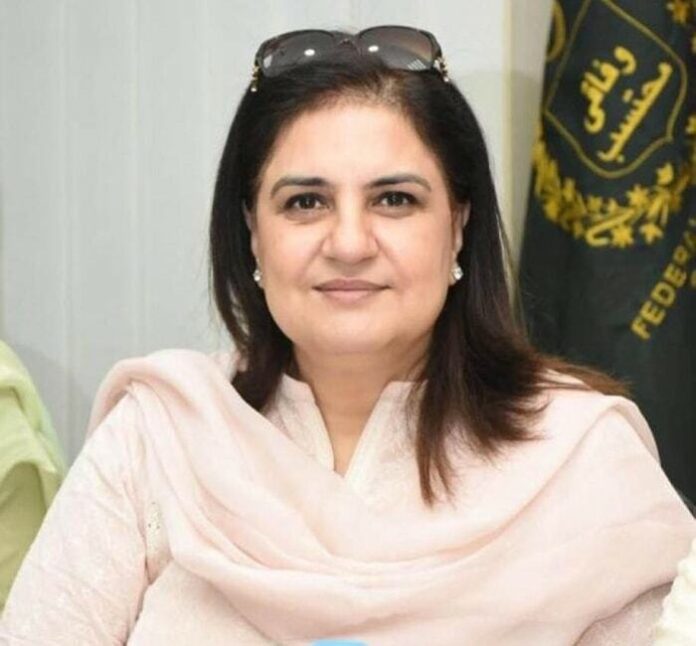
ISLAMABAD, Aug 25 (APP): Chairperson of Benazir Income Support Programme (BISP) Rubina Khalid Sunday reiterated the BISP programme is committed to uplifting the downtrodden, saying it has become a symbol of hope for millions of vulnerable individuals and families nationwide.
Talking to a private news channel, Chairperson Rubina Khalid attributed the programme’s success to the dedication and hard work of BISP’s team and the support of the government and stakeholders.
She reiterated the programme’s commitment to continuing its vital work and expanding its reach to even more vulnerable populations.
Rubina Khalid announced the launch of a unique skill development program aimed at empowering deserving women and their family members.
She highlighted the significance of skill development in today’s fast-paced economy, adding that empowering women with skills is essential for their socio-economic uplift.
This program will not only enhance their employability but also enable them to start their businesses, breaking the cycle of poverty and dependence, she added.
Rubina Khalid highlighted the introduction of a computerized system in BISP, aimed at ensuring transparency and efficiency in the program’s operations.
This technological advancement has revolutionized the way BISP functions, enabling real-time monitoring and tracking of beneficiary data, payment disbursements, and program impact, she added.
The computerized system has also minimized the risk of errors and fraud, ensuring that benefits reach the intended recipients, she highlighted.
The Chairperson also emphasized that this technology-driven approach is a testament to BISP’s commitment to innovation and excellence in serving the most vulnerable populations.
Replying to a query, she said with the new banking system in place, BISP beneficiaries will have greater control over their finances enabling them to make informed decisions about their economic well-being. This enhanced financial autonomy is expected to have a positive impact on their overall quality of life, empowering them to break the cycle of poverty and build a brighter future for themselves and their families, she added.
Moreover, this digital payment system will not only facilitate faster payments but also provide a secure and transparent way to transfer funds to our beneficiaries, she said, adding that it is a major step forward in our efforts to empower deserving women and improve their socio-economic status.
Sufism begins its journey in South Punjab with a spark of divine love
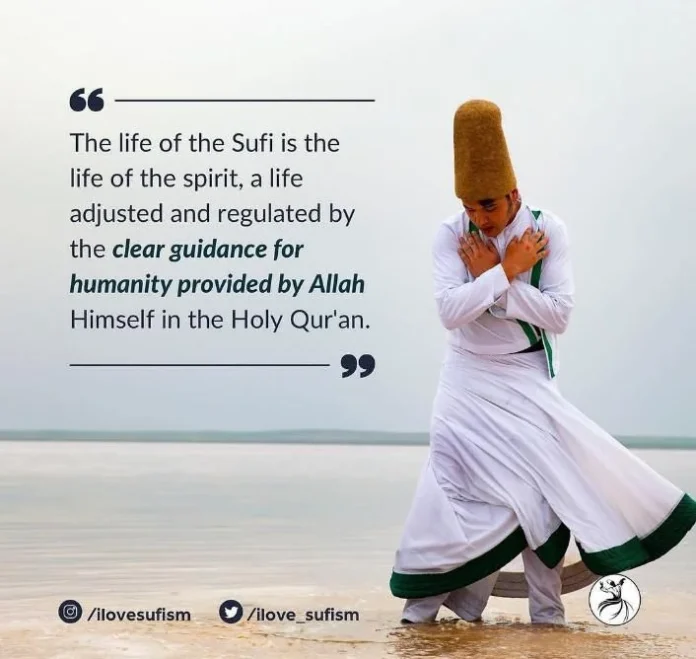
MULTAN, Aug 25 (APP): Sufism, or tasawwuf is known as the mystical heart of Islam and begins its journey with a spark of divine love to awaken the minds and souls of people towards Islam.
Some people are of the view that Sufism originated within Islam as a spiritual movement during the 8th-9th centuries CE while others believe that it began in the inner mystical reading of the Holy Qur’an.
“God awakens the lamp of divine light within the hearts of those who believe in Divine oneness. For the Sufi, this light is felt as love, tenderness, and guidance that is necessary to help us on the way. This light moves us back to the Divine, from pain of separation to the embrace of union” said Dr Ashraf Ali Qureshi, the divisional president of Jamiat Ulema Pakistan.
Islam as a religion was introduced via Southern Punjab only after the 8th century. The first Muslim state in Punjab was the Emirate of Multan, established in 855 CE after the disintegration of the Abbasid Caliphate.
Multan is the oldest city dating back to 5000 BC recognized as the sister historic oldest living city Rome following both of their rich archaeological and cultural heritage with historical linkages.
Previously called the “City of Gold” now the “City of Saints”, Multan among the rest of the regions across South Punjab become a thriving entity with all its spiritual and traditional essence.
Within a radius of twenty-five miles, there have been hundreds of mausoleums of saints who had propagated Islam in the sub-continent with a message of love and peace.
Historically, about 100,000 shrines have been constructed across the city and nearest towns in Southern Punjab with most of them either erased or destroyed with the passage of time due to expansion and development purposes, said an official of the local Auqaf department, Muhammad Arshad.
But in spite of that, around 3000 to 4000 shrines are intact yet with grandeur visited frequently by the devotees hailing from Southern Punjab and interior Sindh.
Among many, the most noteworthy Sufi saint of his time is Hazrat Sheikh Bahauddin Zakariya Suhrawardi also remembered as “Baha-ul-Haq”. He was born around 1170 AD in Kot Kehror (now known as Karor Lal Esan), a town located near Multan. Following his marvelous contribution, Multan earned a metaphoric title as “Baghdad of the East”.
The Sufi saint travelled from city to city in Southern Punjab and succeeded in winning the hearts of a large number of Hindus to convert them to Islam. His shrine is situated near the clock tower, the heart of the city.
According to certain chroniclers, Bahauddin Zakariya’s mother was a sister of the mother of Hazrat Baba Fariduddin Ganjshakar, one of the most revered and distinguished Muslim mystics of the medieval period.
The Khanqah (Shrine) of Shah Rukn-e-Alam, a masterpiece of architecture became the identity of Multan. It is situated on top of a small hillock, behind the old ruins of Multan Fort. The dome is more than 50 feet in diameter and height of over 100 feet. The entire complex is built with red bricks and decorated with wonderful woodwork.
Muhammad Arshad said that around 2000-3000 devotees among common visitors used to attend the three-day Urs of Hazrat Shah Rukn is scheduled to arrange from the 5th to 7th Jamadi-ul-Awwal every year. It’s solemnized by the custodian, Shah Mahmood Qureshi, the PTI’s leader.
Bibi Pak Daman (1170-1262) known as Bibi Rasti was the mother of Shah Rukn Alam. She was also a disciple of Bahauddin Zakariya. She is stated to have brought the Suhrawardiyya order of Sufism to Multan. She died in 1295 and was buried near the temple of Mai Totla (one of Multan’s three pre-Islamic deities) once stood. The tomb is roughly rectangular and is decorated externally with Multan’s signature blue and white tiles. The traditional design of the tomb appears as the ‘flat roof’ just like the mausoleum of Hazrat Shah Yusuf Gardez.
Yusuf Shah was born in 450 AH in the district of Gardez in Afghanistan. The saint travelled to the city of Multan as his father Shah Ali Kasswer directed him. The area around the shrine is occupied by the family itself and goes by the name ‘Muhallah Shah Gardez’. His descendants are known as Gardezis and are one of the few old noble families in the country. He died in 1136.
The Mausoleum of Shah Yusuf Gardez is present at Bohar Gate inside the walled city. The tomb was properly built in 1150 AD, about 14 years after his death. The mosque inside the South of the tomb was made by Sher Shah Suri (1639-1655).
There are some shrines of Sufi saints reported to have been constructed at deserted locations in the district. It included Hameed-ud-Din Hakim, Qutab-al-Qutaab, Syed Pir Sakhi Shah Hassan Parwana, Syed Hasan Khanjzee, Hazrat Shah Dana Shaheed, Abu Hassan Hafiz Jamal-ud-din called Musa Pak Shaheed, Hazrat Shah Kamal Qadari, Hafiz Muhammad Jamal Chisti Nazami, Pir Chup Wardi Waly, Mollana Hamid Ali Khan Naqshbandi. Hazrat Khawaja Awais Khagga, Pir Syed Wali Muhammad Shah (Chadar Wali Sarkar) and shrine of Hazrat Gul Shah.
“For the Sufi, love is the beginning and the end of the journey. The Sufi’s mystical journey starts with a spark of divine love that leads to the remembrance of God.
This journey of love and longing burn away ego, sense of a separate self, a process called ‘fana’, or annihilation, which leads to ‘baqa’ (eternity), abiding in God” said Shakir Hussain Shakir, the author of the book: Hazrat Shah Yusuf Gardez and Hazrat Shah Shams Tabrizi.
PM expresses deep grief over loss of lives in two separate bus accidents
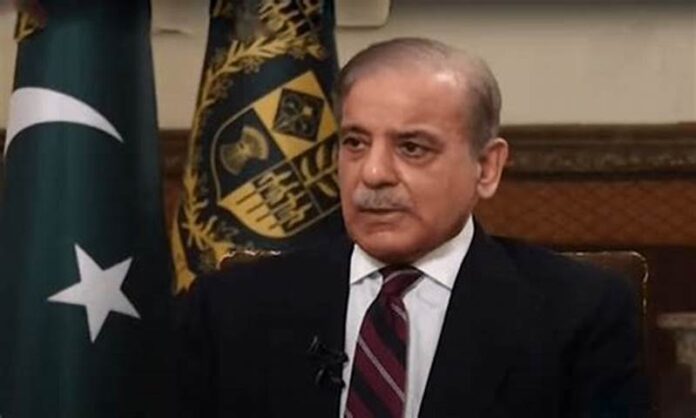
ISLAMABAD, Aug 25 (APP):Prime Minister Muhammad Shehbaz Sharif on Sunday expressed his deep grief and sorrow over the death of Zaireen in a bus accident on Makran Coastal Highway and other casualties in another road mishap near Rawalpindi.
The prime minister prayed for the eternal peace of the departed souls and for the bereaved families to bear the losses with fortitude, PM Office Media Wing said in a press release.
The prime minister directed the local administration to fully cooperate with the bereaved families. He also directed for timely treatment and caring for the injured in the accident.
According to media reports, a bus carrying Zaireen fell into a ravine on the Makran Coastal Highway, resulting in a number of deaths and injuries to other passengers.
In another mishap, scores of passengers were dead and injured after a coaster plunged into a gorge near the Azad Pattan Pana Bridge Rawalakot road. The unfortunate bus was en-route to Rawalpindi.
Shaheens squad named for Bangladesh ‘A’ 50-over matches

Taboos, social limitations affect women empowerment

PESHAWAR, Aug 25 (APP): Despite various reform initiatives and advocacy platforms, the socio-economic situation of women has not improved in the province. The process of empowerment has either been affected by social limitations or taboos that still persisted.
These social limitations and taboos are deeply rooted in societal norms. Therefore, the situation demands mass awareness and mindset change to address the issue of women’s empowerment.
These factors give rise to gender inequality and limit the role of women in different fields of life, said Khursheed Bano, Chief Executive Officer of ‘Da Hawwa Lur’ a women’s advocacy platform.
She said Pakistan is predominantly a patriarchal society where the majority of power is controlled by men in both public and private spheres and make decisions. This dominance has limited women’s participation in decision-making processes that had largely affected their lives.
The concept of family honor is often linked to the behavior, movement and reputation of women. This places immense pressure on women to conform to restrictive social norms, limiting their freedom to make personal choices and take decisions, she said.
“Child and early marriages are still prevalent in many parts of the country, particularly in rural areas. Early marriage often leads to the cessation of education for girls and restrict their opportunities for personal and professional growth,” she said, adding these issues could be resolved by changing mindset of the people.
These social limitations and taboos require a multifaceted approach including education, legal reforms, and an active involvement of both men and women. Women not only eliminate these socio-cultural barriers but it would also develop an environment where women can thrive and contribute fully for the wellbeing of the society, Khurseed Bano added.
“Gender disparity in education is also witnessed in our society that created a significant gap in educational opportunities for girls,” said Sadaf Syed, a lawyer while talking to APP.
In many areas, the attitudes affect and discourage education of girls as these prioritize domestic roles over academic or professional achievements, she added.
“In the male dominant society, women often face barriers including discrimination in hiring practices, wage gaps, and limited opportunities for career advancement,” said Saima Hanif.
“Workplace harassment is a serious problem that deters many women from pursuing careers or remaining in the workforce. The lack of strong enforcement of laws and social stigma around reporting harassment further exacerbates the problem,” she said.
She said Islamic law grants women the right to inherit property while in practice, many women are denied their inheritance due to pressure from male relatives.
“Another reason that negatively affects women empowerment is that those that have the right to vote and stand for election, their representation in political offices remains low, limiting their influence on policy-making that also affect women’s rights and empowerment.
Cultural taboos and stigma often prevent women from speaking out or seeking help, leaving them trapped in abusive situations. Many women, especially in rural areas, are unaware of their legal rights and the resources available to them. This lack of awareness limits their ability to challenge the status quo and seek empowerment, said Saima Hanif.
Mashal Alam, KP CM Adviser for Social Welfare and Women Empowerment said that empowerment of women was cornerstone of the KP government policy. She said that women policy has been approved and notified to all concerned for implementation.
She said that legislation for protection against harassment of women has been passed by the provincial assembly and the enforcement of women’s property rights ensured.
Mashal said the Khyber Pakhtunkhwa Commission on the Status of Women has been formed to promote women rights in the province. Being an adviser for women’s empowerment and social welfare in the province, she would continue to raise voice for the rights of women and do all possible efforts for their development and economic well-being.
She said that the government strongly believed in gender equality and granted stipends for girls’ students of less developed districts increased under the Stars of the KP program to bring them at par with the developed areas of the country.
Attabad Lake – a calamity driven tourist heaven
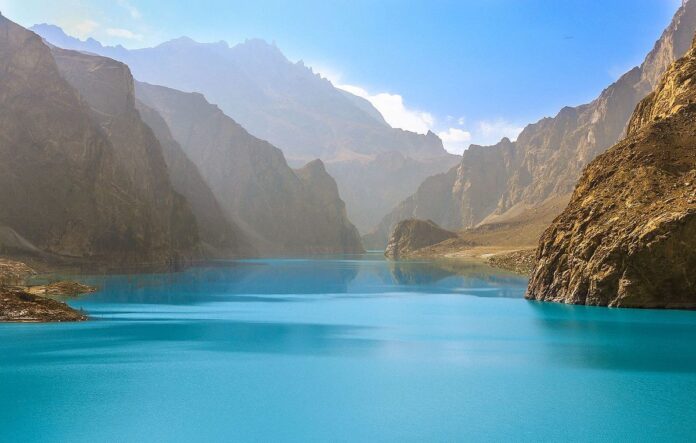
GILGIT-BALTISTAN, Aug 25 (APP): In 2010 a massive landslide triggered by an earthquake damaged Attabad village in breathtaking Hunza Valley, some 150 km away from Gilgit city. The disaster unleashed a torrent of boulders that badly affected the village and four neighboring settlements – Ainabad, Shishkat, Gulmit, and Gulkin. The tragedy claimed 20 lives and left over 6,000 villagers homeless.
However, from the ashes of this devastation, a stunning natural wonder emerged. The landslide blocked the flow of Hunza River, creating a new lake that stretched 21 km long and 100 meters deep.
Although the flood affected 170 houses and 120 shops yet the lake’s crystal-clear waters now flow through the narrow valley, creating an enchanting spectacle attracts thousands of tourists and nature lovers.
No matter that the losses were painful, but the emergence of Attabad Lake has transformed the region into a thriving tourist hub, creating hundreds of jobs for local people.
“Once a source of pang and losses, the landslide created lake has become a blessing for our community,” says Muhammad Ali, owner of the Lake View Hotel. “We’ve seen a significant increase in tourism that has created new opportunities for employment and economic growth.”
“Our hotel is always fully occupied during peak season, and we’re planning to expand our facilities to accommodate more guests,” he informed.
The lake offers a diverse range of activities like boating, jet-skiing and fishing besides winter sports when its water is frozen, attracting large number of tourists. Its unique blue color presents an eye-catching view for tourists with the barren treetops in its middle giving an insight into what led to its creation.
“It is now a vital source of depicting this region internationally as a tourists heaven,” remarked Farman Kareem Baig a famous Gilgit Baltistan based photographer. “Photographs of the lake have been exhibited around the world, showcasing this natural wonder to global audience.”
“It’s a truly special place and I feel lucky to have been able to capture its essence through my lens,” Farman said. “This is one the great bounties of nature offering absolute leisure and pleasure to visitors.”
He said it will also be becoming a blessing for local people as the federal government has approved a 52-megawatt power project on Attabad Lake. “On its completion, this project will provide much-needed relief to domestic electricity consumers and businesses, ending the region’s power woes and promoting sustainable development.”
The soothing light of setting sun mixing with a deep shade of turquoise presents a bright contrast of orange hue penetrating the mighty mountains surrounding the 25-kilometre-long lake. The beauty continues to persist even after the sunset as the moon rising present a whole new level of mesmerizing grace to the sight.
Getting captured by the serenity this lake offers to visitors, water sports and hiking paths and an expanding number of hotels to accommodate the growing influx of visitors, are the other feathers in its cap.
“The lake’s crystal-clear waters and stunning surroundings have attracted numerous hotels, tourist huts and adventure sports enthusiasts,” stated Ahmad Hussan a local tourist guide. “Visitors can enjoy rafting in summer and snow sports in winter, making it a year-round destination.”
He said besides increasing tourist influx, creation of this natural wonder has also increased the property rates Attabad village and adjacent areas.
“The lake’s popularity has also led to a significant increase in property rates in this area while construction of tunnels on Karakoram Highway (KKH) above Attabad Lake, connecting Pakistan with China, will also be providing new source of income for local people through tourism,” Ahmad Hassan said. “These tunnels have become a major attraction, offering breathtaking views of the lake and surrounding mountains.”
Attabad Lake is a shining example of how a calamity can be transformed into a tourist heaven. The devastating landslide that occurred in 2010 could have easily been a permanent setback for the region, but instead, it has become a blessing in disguise. The lake’s crystal-clear waters, breathtaking scenery and adventure sports opportunities have made it a magnet for tourists, creating new economic opportunities and jobs for local people.
Amidst the marvelous lakes and brooks, tall pines, sky high peaks, Deosai plain, tracks, valleys and so on, also exists the jewel of Gilgit-Baltistan, the Attabad lake presenting enchanting view for tourists and nature lovers.
As we look to the future, we need to continue promoting sustainable tourism practices, ensure environmental protection and support local communities in their efforts to thrive. Attabad Lake proved to be a testament to fact that even in the face of calamity, there is sometimes potential for transformation.
Therefore, it is essential for the federal and the GB government to fully employ the tourist potential in Northern Areas by advertising its beauty and opportunities globally to attract more and more foreign tourists and earn precious foreign exchange.
Pilgrims’ bus overturns in Lasbela, Killing 8 injuring over 32

President grieved over loss of lives in two separate bus accidents
UN says its aid agencies getting ready for polio vaccination in war-hit Gaza

UNITED NATIONS, Aug 24 (APP): UN Relief agencies, anticipating a high risk of polio spreading in the wider Gaza region, have begun preparations for a vaccination campaign, according to UN humanitarian officials.
The UN Office for the Coordination of Humanitarian Affairs (OCHA) said the UN relief agency for Palestine refugees, UNRWA, and the UN Children’s Fund (UNICEF) are working with the Gaza Ministry of Health to administer in the coming weeks two rounds of oral polio vaccine to more than 640,000 children under 10 years of age.
Stephane Dujarric, spokesperson for UN Secretary-General Antonio Guterres, told reporters Friday that humanitarian workers moved refrigerated trucks into Gaza in preparation to maintain the cold chain necessary for the vaccine.
Dujarric said the world body already has medical staff in place to administer doses. The vaccine has not yet arrived.
He said the aim is for a humanitarian pause in the conflict so the staff and children would be safe during the campaign later this month and in early September.
Meanwhile, UNRWA Commissioner-General Philippe Lazzarini warned that delaying a humanitarian pause will increase the risk of polio spreading among children. It is not enough to bring the vaccines into Gaza and protect the cold chain — the vaccines must also end up in the mouths of every child under the age of 10. UNRWA medical teams will deliver the vaccines in the agency’s clinics and through its mobile health teams.
OCHA said that following the Gaza Health Ministry confirming that a 10-month-old baby in Deir al Balah has polio, the World Health Organization (WHO) confirmed it is the first case in Gaza in 25 years.
WHO Director-General Dr. Tedros Adhanom Ghebreyesus said the child is in stable condition but has developed paralysis in the lower left leg.
The agency warns that disrupted water and sanitation systems in Gaza, including at hospitals, are increasing the risk of infectious diseases.
“WHO has procured more than 400,000 U.S. dollars of infection prevention and control supplies, including chlorine tablets, hygiene products, and gloves,” OCHA said. “These items have already been delivered to five hospitals, with plans to reach two others in the coming weeks.”
However, the humanitarian officials said that repeated Israeli evacuation orders continue to severely disrupt aid operations in Gaza.
OCHA said three evacuation orders were issued on Wednesday and Thursday, affecting 15 neighborhoods in Deir al Balah and Khan Younis. Initial mapping showed the areas included nearly 150 displacement locations, mostly informal sites. The latest evacuation directives bring the total number of orders issued in August to 13.
The office said that humanitarian partners fighting hunger reported the amount of food assistance that entered southern Gaza in July was one of the lowest recorded in the past 10 months. They warn that active hostilities, damaged roads, access constraints, and a lack of public order and safety have led to critical food shortages.
AOP
“Children are paying the heaviest price — with poor diet and the decimation of health-care services and water, sanitation and hygiene infrastructure raising the risk of malnutrition and disease,” OCHA said. “An assessment by UNICEF in July found that just 1 percent of children in northern Gaza — and only 6 percent in the south — received the recommended dietary diversity.”
The office said humanitarian partners working to provide nutrition reported the number of children in northern Gaza who were diagnosed with acute malnutrition soared by over 300 percent last month compared to May — and by more than 150 percent in the south. Without unfettered humanitarian access that allows a significant scale-up of support, hunger and malnutrition will only worsen.
The World Food Programme (WFP) reported that as of a week ago, the agency reached 370,000 people with partial food parcels and wheat flour this month. However, distributions in Rafah are rare due to the ongoing conflict. WFP distributed more than 4.4 million hot meals across Gaza this month through 60 community kitchens, reaching an estimated 78,000 people, the vast majority in Khan Younis and Deir al Balah.
OCHA said the percentage of humanitarian movements denied by Israeli authorities last month more than doubled from 7 to 15 percent, severely hampering efforts to reach people with critical support quickly.
The office said that as of Thursday, only 43 percent of nearly 150 planned humanitarian assistance missions to northern Gaza were facilitated by Israeli authorities this month. The Israelis denied, impeded or canceled the remainder due to security, operational or logistical reasons. In southern Gaza, less than half of almost 280 coordinated aid movements were facilitated by the Israeli authorities this month.
In the West Bank, OCHA said the WFP warned that escalating violence there could push the number of people facing food insecurity up to 600,000. WFP expanded its food voucher program fivefold in the West Bank and is prepared to reach as many as 200,000 people with cash-based transfers by the end of the month.