Life of Muhammad (SAW) profound example for humanity: Governor Kundi
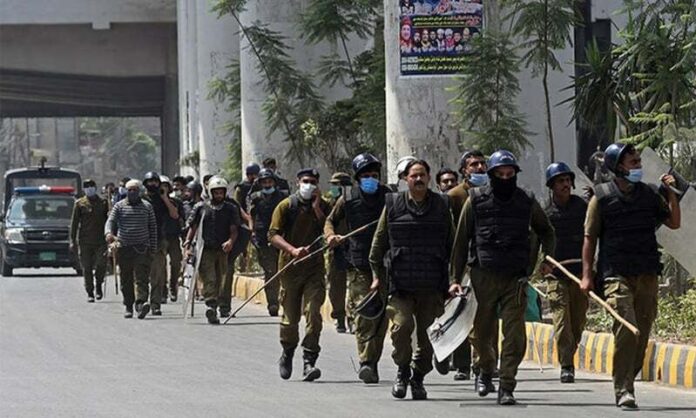
5814 police men deployed for Eid Milad-un-Nabi security
Pb Governor urges following the last Prophet’s PBUH teachings in true spirit
Seerat-un-Nabi Conference: Salik calls for integration of religious, worldly knowledge in modern curriculum
ISLAMABAD, Sep 17 (APP): Minister for Religious Affairs and Interfaith Harmony, Chaudhry Salik Hussain on Tuesday emphasized the importance of following the teachings of the Holy Prophet Muhammad (Peace Be Upon Him) to enlighten the daily lives and strengthen the moral fabric of society.
He said this while addressing the opening session of the Seerat-un-Nabi Conference 2024 held to mark the sacred occasion of 12th Rabi-ul-Awwal.
The conference, which coincides with the celebration of the birth anniversary of the Holy Prophet Muhammad (Peace Be Upon Him), was graced by Deputy Prime Minister and Foreign Minister Muhammad Ishaq Dar, parliamentarians, ambassadors, scholars, and dignitaries from across the country.
Minister Salik, extending his heartfelt greetings to the nation and the distinguished guests on this auspicious day, noted that this year’s conference theme, “The Educational System of the State in Light of Seerat-un-Nabi (Peace Be Upon Him)”, highlights the Prophet’s exemplary leadership and governance, which transformed Madina into a welfare state based on education and wisdom.
Minister Salik lauded the role of the Ulema and religious scholars in disseminating the teachings of the Prophet Muhammad (Peace Be Upon Him) and emphasized the critical need for an education system inspired by Islamic values that not only focuses on intellectual growth but also moral and spiritual development.
He recalled the Prophet’s (Peace Be Upon Him) first divine command, ‘Iqra’ (Read), underscoring the importance of knowledge as a foundation for human civilization and progress. He further elaborated that the inclusion of ethical teachings, such as honesty, justice, and responsibility, into the educational curriculum is vital for fostering a balanced and well-rounded society.
Minister Salik mentioned that the key point that shook the very roots of feudalism, inequality, and injustice is the fundamental right to education for all of humanity, without discrimination. He said the Holy Prophet (Peace Be Upon Him) advocated for every person’s right to acquire knowledge, whether male or female, regardless of race or social status.
Minister Salik drew the attention of scholars to how the practical implementation of modern education systems is possible. In light of the teachings of the Holy Prophet (Peace Be Upon Him), how we can incorporate these principles into the contemporary educational framework, he added.
He said the curriculum should be designed to balance religious and worldly knowledge adding that subjects like science, mathematics, and history should be taught alongside the Quran, Hadith, and Fiqh to ensure a well-rounded education for students.
Additionally, Minister Salik said the role of technology in the education system cannot be overlooked. He said the principles taught by the Prophet (Peace Be Upon Him), such as utilizing all available resources to acquire and disseminate knowledge, are still applicable today. Integrating technology into the education system can make knowledge more accessible and engaging, he maintained.
In his concluding remarks, Minister Salik called for the continuous promotion of the teachings of the Prophet (Peace Be Upon Him) and recognized the national consensus on the sanctity of the belief in the finality of Prophethood. He also praised the judiciary, particularly the Chief Justice of Pakistan, and prominent religious scholars like Mufti Taqi Usmani and Mufti Muneeb-ur-Rehman, for their contributions to upholding the nation’s religious values.
The Seerat-un-Nabi Conference is an annual event organized by the Ministry of Religious Affairs and Interfaith Harmony to encourage research and discussion on the various aspects of the life of the Holy Prophet (Peace Be Upon Him) and their application in modern times.
DPM Dar calls for education system to promote moral, technological growth
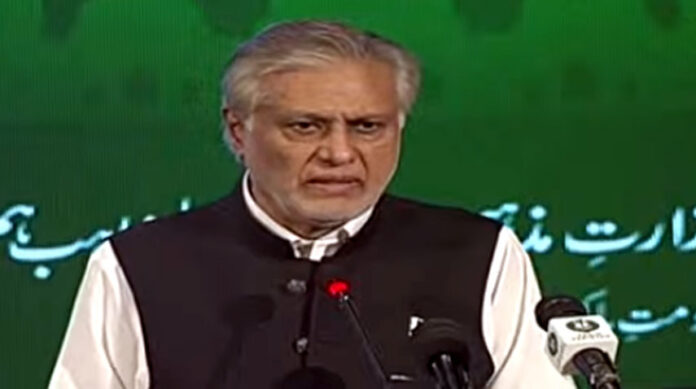
ISLAMABAD, Sep 17 (APP): Deputy Prime Minister and Foreign Minister Muhammad Ishaq Dar on Tuesday emphasised the need to transform Pakistan’s education system, based on a multifaceted approach focusing on character building, technological integration, spiritual enrichment, and capacity building.
The deputy prime minister, addressing the Seeratun Nabi (PBUH) Conference held in connection with Eid Miladun Nabi, said that education was not merely meant for material success but also for spiritual growth, welfare, and polishing capabilities to contribute to the welfare of the society.
Oraganised by the Ministry of Religious Affairs and Interfaith Harmony, the conference titled, “State Education System in Light of the Teachings of Holy Prophet (PBUH), was attended by Religious Affairs Minister Chaudhry Salik Hussain, besides hundreds of scholars from different schools of thought, diplomats, authors, and researchers.
The deputy prime minister said that Pakistan’s education system was facing numerous challenges and suggested the religious affairs minister to carry out the review and reforms in coordination with the education ministry in light of Islamic teachings and by incorporating the suggestions from religious scholars.
Highlighting the significance of education in Islam, he cited the first revealed Quranic verse translated as “Read, in the Name of your Lord Who created” and numerous ahadith of the Holy Prophet (PBUH) and said education played a significant role for the benefit of the humanity besides enabling the humans to distinguish between good and evil.
He said Islam had made it obligatory for everyone to seek knowledge and the state was responsible for providing resources.
Deputy Prime Minister Dar observed that following the influx of social media and other technological tools, society was faced with the dilution of morality in youth, and the Ulema should play their role in addressing the situation.
He said social justice was a significant component of the Islamic education system, therefore our education system should promote these values and students should be nurtured to become future leaders.
Dar also highlighted the division between religious and contemporary education systems in the country and also called for bridging the gap with modern technological education, besides emphasising the efforts to make Pakistan an economic power.
The deputy prime minister also distributed prizes among the best writers of books on the life and teachings of the Holy Prophet in different categories, as well as anthologies of Naats and those related to the conference theme.
UN report urges immediate global action to close critical gender gaps
UNITED NATIONS, Sep 17 (APP): Noting worldwide progress on gender equality and women’s empowerment, a new UN report has revealed that critical gender gaps still remain in all 17 of the anti Sustainable Development Goals (SDGs) aimed at ending poverty, protecting the planet and ensuring peace and prosperity for all by 2030.
“Today’s report reveals the undeniable truth: progress is achievable, but is not fast enough,” UN Women Executive Director Sima Bahous said, while launching the latest Gender Snapshot report on Monday by UN Women and the UN Department of Economic and Social Affairs.
“Let us unite to continue dismantling the barriers women and girls face and forge a future where gender equality is not just an aspiration but a reality,” she added.
While there are some promising trends towards achieving certain SDGs in the report – including declining poverty, narrowing of gender gaps in education and a push for positive legal reforms – just six years before the 2030 deadline, not a single indicator under Goal 5, gender equality, has been fully achieved.
Among the strides made towards gender equality, women hold a quarter of all parliamentary seats, a significant rise from a decade ago.
Meanwhile, the share of women and girls living in extreme poverty has finally dipped below 10 per cent following steep increases during the COVID-19 pandemic years.
The percentage of women aged 20-24 who were married before reaching18 has also decreased, from 24.1 per cent in 2003 to 18.7 per cent today.
There have been up to 56 legal reforms enacted worldwide that seek to close the gender gap since the first Gender Snapshot report was released in 2019.
One significant legal reform highlights that countries with domestic violence legislation have lower rates of intimate partner violence – 9.5 per cent compared to 16.1 per cent for those without.
Despite progress in certain areas, none of the indicators and sub-indicators of Sustainable Development Goal 5—the goal for gender equality—are being met according to the report.
At current rates, gender parity in parliaments remains a distant dream, potentially not achievable until 2063. Moreover, it will still take a staggering 137 years to lift all women and girls out of poverty. And about 1 in 4 girls continue to be married as children.
The report also stresses the astonishing cost of gender inequality. For example, the annual global cost of countries failing to adequately educate their young populations is over USD 10 trillion. Low- and middle-income countries can lose another USD 500 billion in the next five years by not closing the digital gender gap.
“The costs of inaction on gender equality are immense, and the rewards of achieving it are far too great to ignore. We can only achieve the 2030 Agenda with the full and equal participation of women and girls in every part of society,” said Li Junhua, the UN Under-Secretary-General for Economic and Social Affairs.
As world leaders prepare for the Summit of the Future on 22 and 23 September, UN Women is calling on them to forge new international consensus to close the gender gap, achieve gender equality and advance the empowerment and rights of all women and girls, a goal which is “distant but achievable”.
APP/ift
Israel weaponizing access to clean water for Gazans, as sanitary conditions worsen: UN experts
UNITED NATIONS, Sep 16 (APP): Overcrowded shelters in Gaza, a lack of running water and the constant threat of disease are making conditions worse by the day for people in the enclave where deadly Israeli attacks continue unabated, the UN agency for Palestine refugees, UNRWA, warned Monday.
In a new alert, UNRWA highlighted how Gazans’ shelters have become a target for insects and rodents after more than 11 months of the Israeli war in the strip – echoing deep concerns among humanitarians about the lack of basic hygiene items that have left families unprotected from communicable diseases.
Echoing those warnings, top UN human rights experts meeting at UN Geneva maintained that access to clean water for Gaza’s 2.3 million people has been weaponized by Israel.
“Water is the main food we need…it is irreplaceable. But at the same time, if drinkability is not guaranteed, it becomes the most terrible vector of disease and death that exists in the world,” said Pedro Arrojo-Agudo, Special Rapporteur on the human rights to safe drinking water and sanitation. “So, in this case, this is clearly employed as a weapon in Gaza against [the] Palestinian civil population.”
Arrojo-Agudo, who reports to the Human Rights Council in his capacity as an independent rights expert, said that the population of Gaza now lives on an average of 4.7 litres of water, per person per day – well below the 15-litre minimum recommendation during emergencies from the UN World Health Organization (WHO).
With a coastal aquifer the only natural source of fresh water for Gazans, “this huge population has been forced to pump three times more water than the aquifer receives through natural replenishment”, resulting in sea water pollution during the Israeli blockade of Gaza, the Special Rapporteur maintained.
“In addition, Israel has been blocking 70 per cent of the materials needed to build and operate sewage treatment plants as ‘dual use’ materials, preventing proper sewage treatment, which has led to progressive faecal contamination of ground water,” Arrojo-Agudo insisted.
Priced out
In an update, the UN World Health Organization (WHO) said that a 75 gramme bar of soap costs $10 in Gaza, while shampoo, detergent and washing-up liquid are no longer available in markets.
This lack of hygiene items “disproportionately affects children, pregnant women and people with compromised immune systems”, said the WHO, which underscored that simple handwashing with soap is one of the most effective ways to prevent the spread of diseases linked to poor sanitary conditions, such as diarrhoea, respiratory infections, scabies and other skin infections.
“It can protect approximately one in three children who suffer from diarrhoea and prevent the spread of germs to food, drinks, and surfaces,” the UN health agency insisted, in support of appeals to allow a minimum of five trucks per day into Gaza from commercial vendors containing soap and basic hygiene supplies, both in the south and north.
Meanwhile, top UN human rights experts also said on Monday that there is “literally no place left” for civil society activists to work safely, after air strikes and ground attacks by the Israeli military.
In recent months, the oldest human rights organization in Gaza, the Palestinian Human Rights Centre, has seen staff members killed and its offices damaged beyond repair during operations by the Israeli Defense Forces, said Special Rapporteur Mary Lawlor and other experts who report to the Human Rights Council in Geneva in an independent capacity.
Ms. Lawlor noted that two women lawyers from the Palestinian NGO were killed in February 2024 – Nour Abu al-Nour, who died with her two-year-old daughter, her parents and four siblings in an air raid on her house in Rafah – and Dana Yaghi, killed alongside 37 family members in an air raid on a house in Deir el-Balah.
In a statement, Ms. Lawlor said that it was “a terrible tragedy that justice for these two women human rights defenders, their family members and their children, seems so far away” while human rights defenders who worked to keep hope alive for justice…are becoming victims themselves”.

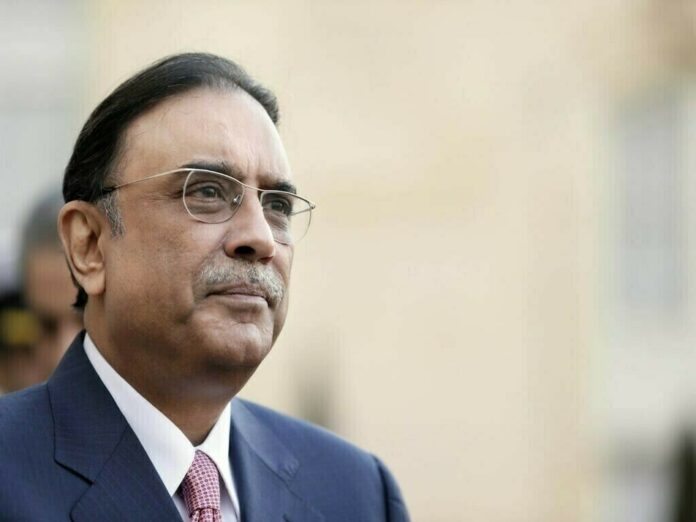
Embracing Holy Prophet’s teachings key to overcome prevailing challenges: President
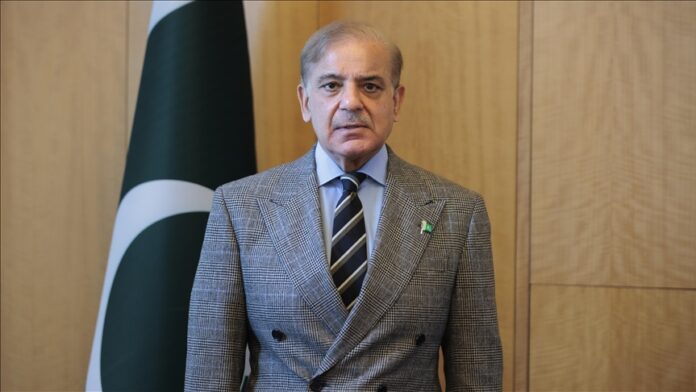
Following Holy Prophet’s teaching can help overcome current era challenges: PM
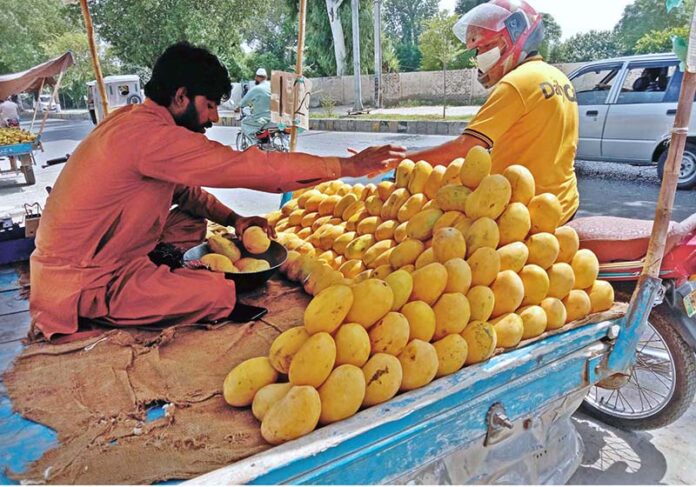
A man buys fresh mangoes from a local vendor at a roadside stall in the city


BAHAWALPUR