
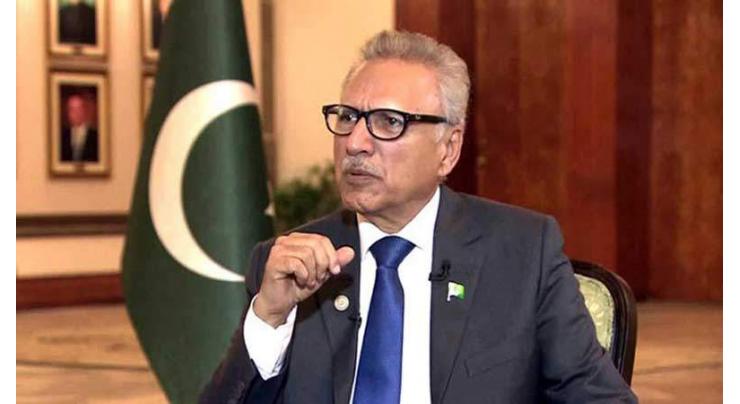
ISLAMABAD, Sep 09 (APP): President Dr Arif Alvi on Saturday appointed Dr Kausar Abdullah Malik as the federal minister in the caretaker federal cabinet.
The President made the appointment on the advice of the caretaker prime minister under Article 224 (1a) of the Constitution.
President appoints Dr Kausar as federal minister
Caretaker CM stresses to increase power generation capacity
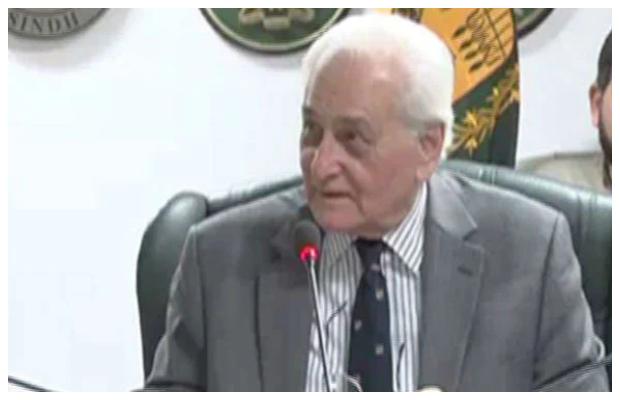
PESHAWAR, Sep 09 (APP):Khyber Pakhtunkhwa Caretaker Chief Minister, Muhammad Azam Khan here Saturday stressed to increase power generation in KP, saying completion of ongoing power generation projects would not only add electricity to the national grid but also help increase the income of the province.
He was chairing the 13th policy board meeting of the Pakhtunkhwa Energy Development Organization (PEDO). The meeting was attended by caretaker minister for energy, Ahmad Jan, Additional Chief Secretary, Zubair Asghar, Secretary Finance, Ayaz Khan, Secretary Law, Shagufta Naveed, Secretary Energy, Tashfeen Haider , Chief Executive Officer PEDO, Engr. Naeem Khan and concerned officials.
On the occasion, the Chief Minister presented the annual report of PEDO for the year 2022-233.
Caretaker CM expressed satisfaction over PEDO’s performance expressing hope that PEDO would ensure timely completion of energy generation projects to enhance the energy generation capacity of the province and provide cheap electricity to people.
The meeting also approved the current budget estimate of PEDO for 2023-24 and reviewed the budget for 2022-23.
The meeting was told that revenue of Rs. 47 billion has been generated by energy projects of PEDO and seven hydropower projects of 162 MW have been completed under PEDO while five power-generating projects are in the final stage of completion.
The meeting was informed that work is in progress on the 13.5 MW Chappari Charkhel project and 6.9 MW Mujabdeen hydropower projects while work has been started on the 300 MW Balakot Hydropower project with financial assistance from Asian Development Bank. The work would soon start on the 88 MW Gabral Kalam project and 157 MW Madayn hydropower project.
Participants of the meeting were briefed that the Civil Secretariat, CM House and CM Secretariat have been converted to solar power while 8000 schools, 187 Basic Health Units and 4000 mosques have also been converted to solar power.
PEDO has also converted 300 mosques of merged districts to solar power. It was told that 356 mini micro hydropower projects are completed in Phase I while work is underway on 291 power projects under Phase II.
Experts for achieving regional energy security through building its trade mechanism
ISLAMABAD, Sep 9 (APP): Energy experts on Saturday said that regional energy security can be achieved by building regional energy trade mechanisms and grid by increasing the share of renewable energy to provide it on affordable rates to the consumers.
Addressing an event titled “Energy Security in South Asia and Transition of Sustainable Sources” organized by Sustainable Development Policy Institute (SDPI) and Friedrich Naumann Foundation for Freedom Pakistan (FNF), Director Pakistan Office FNF, Birgit Lamm remarked that 60 percent of South Asia’s energy demand was imported, increasing vulnerability to external shocks like Russian-Ukrainian War and dollar exchange rate fluctuations.
She said that energy was a lifeline for South Asian economies and the issue of high energy bills was a shared regional concern and not limited to Pakistan, adding that structural challenges in the regional energy landscape and combined with demographic shifts hampered sustainable economic growth.
Senior Advisor and Research Fellow SDPI, Dr Hassan Daud Butt said that regional energy challenges were common and collaborative, integrated approach for sustainable, equitable renewable energy transition was the way forward amid rising costs and socio-economic disparities which calls for amplifying efforts for regionally acceptable solutions.
He stressed for bolstering regional co-operation beyond political conflicts, making responsive energy policies to tackle evolving economic challenges and global trends as means to uplift marginalized and vulnerable communities and ensuring inclusive access to clean energy in South Asia.
Head of Energy Unit, SDPI, Ubaid-ur-Rehman said that reliance on imported energy sources had created vulnerability to energy supplies and price fluctuations for South Asian countries, as apparent from the impacts of the ongoing regional turmoil.
Research Fellow (Renewable Energy), Ahsan Javed highlighted the untapped regional energy trade potential which must be leveraged to boost energy security through regional grid. Regional trade of surplus electricity can also increase revenue generation for economic growth, he stressed.
Lead Researcher, Energy Unit, SDPI Dr. Khalid Waleed discussed the energy profiles of South Asian countries and charted the way forward for energy cooperation by overcoming political-economic barriers, removing tariffs, promoting energy networks, exploring joint financing avenues, joint platform for energy planners and sharing energy and water statistics.
United States mobilizes $44m in new US-Pakistani diaspora investment
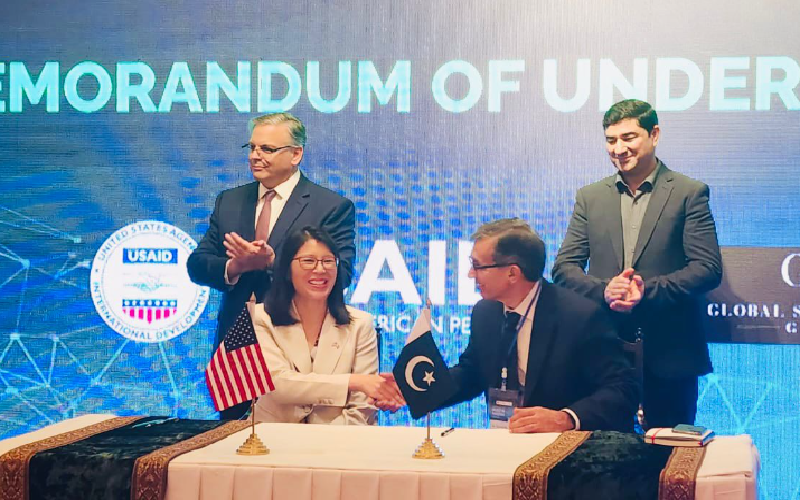
ISLAMABAD, Sep 09 (APP): The United States announced the mobilization of more than $40 million in new US-Pakistani diaspora investment at the United States Agency for International Development (USAID) ‘Invest in Pakistan’ conference here Saturday.
Four diaspora partners concluded four new Memoranda of Understanding (MoUs) with the USAID valued at $44 million, increasing total diaspora commitments to nearly $200 million. The new investment commitments include SERVINZ Limited, $5 million for restoring livelihoods in flood-affected areas; Pakfoods LLC Group and NUST $9 million for technology; Jaxeri Investment Corporation $25 million for electric vehicle local manufacturing; and Global Semiconductors Group $5 million for training youth in semiconductor and chip design technology.
Addressing the participants at the closing ceremony, US Ambassador to Pakistan Donald Blome highlighted the valuable contributions of the U.S.-Pakistani diaspora. “I want to congratulate our four diaspora partners, SERVINZ Limited, Pakfoods LLC Group, Jaxeri Investment Corporation, and Global Semiconductors Group, for signing these MOUs. You are helping unlock Pakistan’s investment potential. I look forward to seeing the benefits these partnerships will bring to the Pakistani economy and the Pakistani people,” the Ambassador said. “The three themes discussed at the conference today – Artificial Intelligence, electric vehicles, and semiconductor technology investments – are key to Pakistan’s economic growth and future prosperity,” he added.
The ‘Invest in Pakistan’ conference aimed to catalyze investment between U.S. investors and Pakistani companies. More than 300 participants attended, including US Ambassador Donald Blome, USAID Mission Director Kate Somvongsiri, Umar Saif, Minister IT, members of the US-Pakistani diaspora, and prominent Pakistani business leaders.
Today’s conference is one in a series of diaspora-centered conferences. In the past 10 months, U.S. Mission Pakistan supported the mobilization of nearly $200 million in U.S.-Pakistani diaspora-led investments and contributions.
Excise to launch crackdown against property tax defaulters
MULTAN, Sep 09 (APP):Excise, Taxation and Narcotics Department is going to launch a crackdown against property tax defaulters for recovery of arrears and pending dues from next month of October.
Excise and taxation officer (ETO) Khalid Hussain Qasoori said that arrest warrants, sale and confiscation of property will also be issued to recover the pending dues.
He urged the defaulters to pay their arrears, and dues as soon as possible to avoid any inconvenience.
ETO said that the Punjab government’s 10 per cent rebate offer over the submission of property taxes through E-pay was completed on September 30.
He urged the traders and citizens to avail of the rebate offer and get their property taxes submitted by September 30.
He said that property challans have been issued to 150,000 taxpayers by the department.
He said that 85 per cent of property tax funds were spent on the development projects of the city.
Mr Qasoori said that the survey was being conducted to bring new taxpayers into the tax net.
It’s worth mentioning here that Director Excise and Taxation Iftikhar Ahmad Bhali has issued orders for recovery of 60 per cent of the total target by the end of the current month.
Commissioner reviews anti-narcotics operation in Qila Abdullah, Pishin

QUETTA, Sep 09 (APP):Commissioner Quetta Division Muhammad Hamza Shafqat on Saturday visited Qila Abdullah and Pishin districts and reviewed the ongoing anti-narcotics operation in the area.
Deputy Commissioner Pishin, Jameel Ahmed Baloch briefed Commissioner Quetta regarding the mega anti-narcotics operation.
The security forces have launched a grand operation to eliminate drug production and drug factories in the Qila Abdullah and Pishin districts of Balochistan.
Hamza Shafqat has expressed satisfaction with the performance of the levies other law enforcement teams, and administrative officers in the anti-drug operation.
He said no effort would be spared to crash the elements involved in the narcotics business and their hideouts.
On the instructions of Corps Commander Balochistan, the Pakistan Army, FC Balochistan, Anti-Narcotics Force, Levies and other law enforcement agencies are participating in the operation.
Some 9 narcotics manufacturing and processing factories were demolished, and manufactured and stored drugs worth millions of rupees were also eradicated.
The operation was finalized in a meeting held on August 28 at Headquarters 12 Corps, in which all stakeholders were agreed.
On August 30, a jirga was also organized in Qila Abdullah under the Anti-Drug Campaign.
In the Jirga, the local elders demanded the abolition of drug factories to stop the production of drugs in Qila Abdullah and Gulistan and assured security agencies of their full support.
The local people of the area have welcomed the anti-narcotics operation of the district administration.
Caretaker Balochistan govt committed to revamp health sector
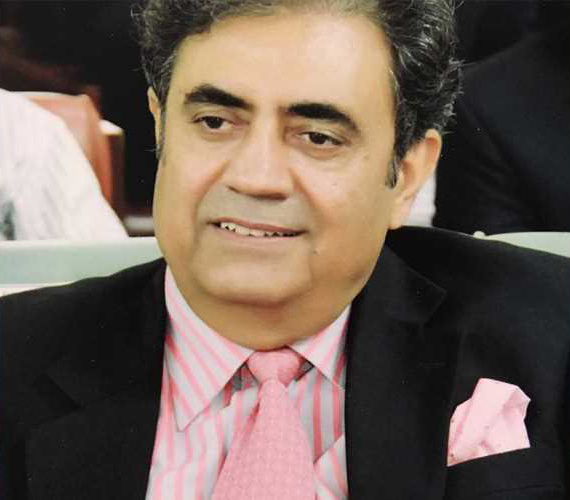
QUETTA, Sep 09 (APP):Caretaker Provincial Minister for Health, Dr. Amir Muhammad Khan Jogezai said that the caretaker Balochistan Government was committed to taking speedy measures to revamp the provincial health sector to provide the best healthcare facilities to the masses. The government, he said has initiated a recruitment plan to appoint doctors on ad-hoc basis to tackle the challenges and overcome the shortage of doctors in the hospitals of far-flung areas.
In a statement issued here on Saturday, the minister said that the government has so far appointed as many 700 medical officers, lady medical officers, teaching cadre doctors and staff nurses on an ad-hoc basis at district level.
Dr. Amir Muhammad said that the initiative aimed to address the shortage of doctors and medical staff in hospitals and health centers in remote areas of the province.
The Balochistan government has introduced a health card scheme for its citizens to ensure free health facilities to two million families across the province in more than 1,200 hospitals in the country, he added.
He said that the Balochistan government was all set to revamp the teaching hospitals affiliated with the four medical colleges of the province on modern lines by providing the equipments to fulfill the needs of the time.
The minister said that he had also taken notice of the negligence of doctors and medical staff posted in various public sector hospitals over not performing duties. The Health Department has directed to take strict action against the absentees to ensure the presence of doctors and medical staff at their deployment place.
The minister said that the series of innovative steps of the government for the safety of patients, the provision of medicines and round the clock availability of doctors and paramedical staff would be continued.
He said that a routine immunization drive for vaccination against 12 childhood vaccine-preventable diseases was in full swing in Balochistan and the Federal Minister for National Health was also in touch with them.
The minister said that he was well aware of the situation in the hospitals of Balochistan, especially in Quetta and would soon take steps to resolve all problems, including the shortage of medicines and increase in prices.
The task of caretaker government is to conduct fair and transparent elections, but it will also work for the improvement of the health sector in a limited period to provide relief to the public, he expressed.
Crackdown against smuggling; Dera police seize commodities, illegal vehicles worth over Rs 540 m
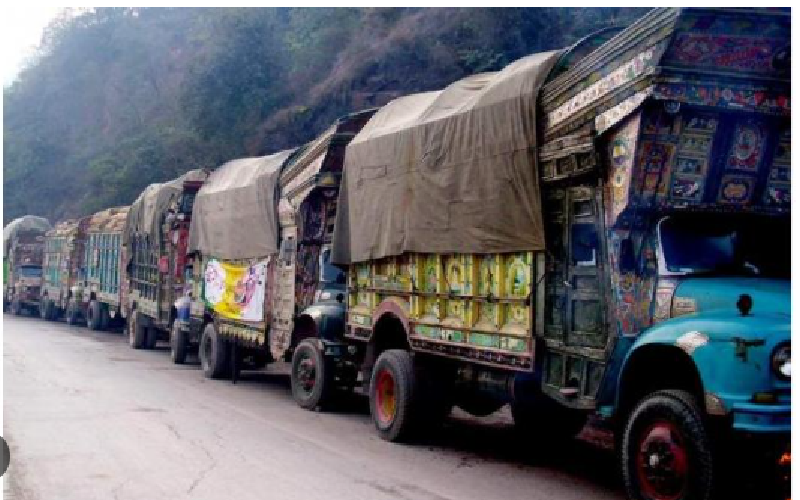
DERA ISMAIL KHAN, Sep 09 (APP):The district police claimed to have seized 272179 sacks fertilizer, 524176 sacks of wheat, 670146 sacks of flour, 700 sacks of sugar and vehicles worth around Rs 540.3 million during a crackdown launched against smuggling of illegal goods in 2023.
According to police spokesman, a crackdown was launched across the range against smuggling of illegal goods following the instructions of Khyber Pakhtunkhwa Inspector General of Police (IGP) Akhtar Hayat Khan.
The Dera police have conducted successful operations against hoarders and smuggling by conducting blockades and raids at various places during the initial eight months of the current year.
During these operations, the police seized 272179 sacks of illegal urea fertilizer, 524176 sacks of wheat, 670146 sacks of flour and 700 sacks of sugar. The seized commodities were handed over to the Department of Agriculture for further action.
Similarly, the Dera Ismail Khan region police also achieved significant success against non-customs paid vehicles and the elements involved in this business. The police also seized illegal vehicles worth Rs 540.3 and handed them over to Custom authorities for further necessary actions.
IGP Akhtar Hayat Khan appreciated the excellent performance of Dera police against hoarders and smugglers and also announced to give cash rewards to the policemen concerned.
Health research critical to making progress in medical field
ISLAMABAD, Sep 09 (APP): Federal Secretary Health Iftikhar Shallwani on Saturday emphasized prioritizing health research as it is of critical importance to making progress in the health sector.
Inaugurating the two-day National Health Research Conference, he said that evidence-based decision-making is of pivotal importance in meeting the challenges that confront us in the provision of health care to the masses.
He was addressing top health research experts and public health leaders from across the country.
Top public health leader Dr. Zulfiqar Bhutta Chairman Board of Governors National Institute of Health (NIH) delivered his keynote address making a strong case for priority to health research.
The two-day National Health Research Conference has been jointly organized by the National Institute of Health, the Higher Education Commission, the Pakistan Academy of Sciences, and the Pakistan Science Foundation.
The main objective of the conference is to promote collaboration and networking among funding agencies, researchers, policymakers, and allied stakeholders and also to provide a platform for research funding agencies to present their experiences and research.
This conference is a unique opportunity for researchers, healthcare professionals, academicians and policymakers to come together to share knowledge, discuss the latest trends in health research and explore new ideas and collaborations.
The conference covers a wide range of topics including health research contextualization and prioritization, emerging areas of research, pharmaceutical research, and drug development besides formulating a draft Islamabad Declaration for Health Research prioritization and capacity strengthening in Pakistan.
USAID to support different SAU projects

HYDERABAD, Sep 09 (APP):The USAID will support different projects of Sindh Agriculture University Tando Jam including financial assistance, career preparation, micro-enterprise development and student mental health.
Asma Mohsin, the representative of USAID-funded Higher Education System Strengthening Activity (HESSA) Project and Programme Manager of Student Support Service held out such assurance during her meeting with the focal persons of all thematic areas of students’ support services of Sindh Agriculture University Tandojam here on Saturday.
According to a university spokesman, the meeting was chaired by the Dean Dr. Aijaz Ali Khooharo.
The meeting discussed activities and plans of Sindh Agriculture University for the next project year related to Student Leadership, Alumni Engagement, Financial Aid, Career Readiness, Micro Enterprise Development, and Student Support Services regarding mental health.
In his presentation, Dr. Khooharo gave an overarching view of the ongoing endeavors at the university in alignment with the objectives of the HESSA project. He appreciated the efforts of USAID and HESSA and their commitment to enhancing higher education.
Dr. Jam Ghulam Murtaza Sahito, Director BIC, briefed the meeting regarding activities of the last three months and the future plans of the activities. Future plans for all the thematic areas were also discussed in detail and finalized for the next year.
Among others, Prof. Dr. Ismail Kumbhar, the focal person for Alumni Engagement, Dr. Jam Kashif Zaman Sahito, the Focal person, career readiness, Dr. Jam Ghulam Murtaza Sahito, the Focal Person for Micro-Enterprise Development, Dr. Faisal Ansari, the Focal person, of the Mental Health Component, Nauman Shah, Focal Person of Fundraising and Financial Aid and Prof. Dr. Mehmood Ul Hassan Mughal, Advisor to the Vice chancellor attended the meeting.