Home Blog Page 10344

Health activists stress need for increasing taxes on cigarettes

0
ISLAMABAD, April 02 (APP): Society for the Protection of the Rights of the Child (SPARC), urged the the government to prioritize health and economic agendas by increasing taxes on cigarettes.
This call comes in tandem with the imminent commencement of negotiations on the International Monetary Fund (IMF) Agreement and the crucial Budget Planning for 2024-25.
With a focus on long-term public health and economic stability, Malik Imran Ahmad, Country Head of CTFK, emphasized the interconnected relationship between reduced tobacco consumption, improved health outcomes, and enhanced revenue streams. He affirmed that prioritizing tobacco taxation in the forthcoming budget would not only safeguard public health but also propel the nation towards achieving its fiscal targets and commitments.
To propel health and economy forward, Imran Ahmad advocated for a 26.6% Federal Excise Duty (FED) increase on cigarettes, a move projected to recuperate 19.8% of healthcare expenditures associated with smoking-related diseases.
He further emphasized that this measure aligns with the impending IMF Agreement negotiations, contributing substantially to revenue generation crucial for budgetary allocations.
In his statement, Ahmad highlighted that the government would benefit from increased revenue from tobacco products, potentially averting the need for an increase in petrol prices and subsequent rises in commodity prices.
This strategic approach would provide much-needed relief to the public amidst economic challenges. Dr. Khalil Ahmad Dogar, Program Manager at SPARC, stressed the pivotal role of increased cigarette taxes in deterring tobacco use among youth and low-income individuals.
Dr. Dogar reiterated that higher prices serve as effective deterrents, particularly for price-sensitive demographics such as youth and the low-income population. He urged the government to leverage tobacco taxation not only to curb smoking initiation among youth but also to fortify public health initiatives and healthcare services.
He emphasized that policymakers must fulfill their electoral promises by taking decisive action against the tobacco industry. This includes continuous and consistent raises in tobacco taxation, the implementation of a single tax tier system, across-the-board implementation of the Track and Trace System, and maintaining a clear separation from the tobacco industry.

Gold rates dip by Rs.500 to Rs237,100 per tola

0
gold
ISLAMABAD, Apr 2 (APP):The per tola price of 24 karat gold witnessed a decrease of  Rs500 and was sold at Rs237,100 on Tuesday as compared to its last day rate at Rs237,600.
The price of 10 grams of 24 karat gold decreased by Rs429and was sold at Rs203,275 against the sale price of Rs203,704 and 10 gram 22 karat gold also decreased to Rs186,335  as from Rs186,728, the All Sindh Sarafa Jewellers Association reported.
The price of per tola and ten gram silver also witnessed no change and was trade at Rs.2,600 and Rs.2,211.93 respectively.
The price of gold in the international market decreased by $5 to 2,273 from $2,278, the Association reported.

Services exports decrease by 1.37 pc in 8 months

0
PBS
ISLAMABAD, Apr 2 (APP): Exports of services during the first 08 months of the current financial year decreased by 1.37 percent as compared to the exports of the corresponding period of the last year.
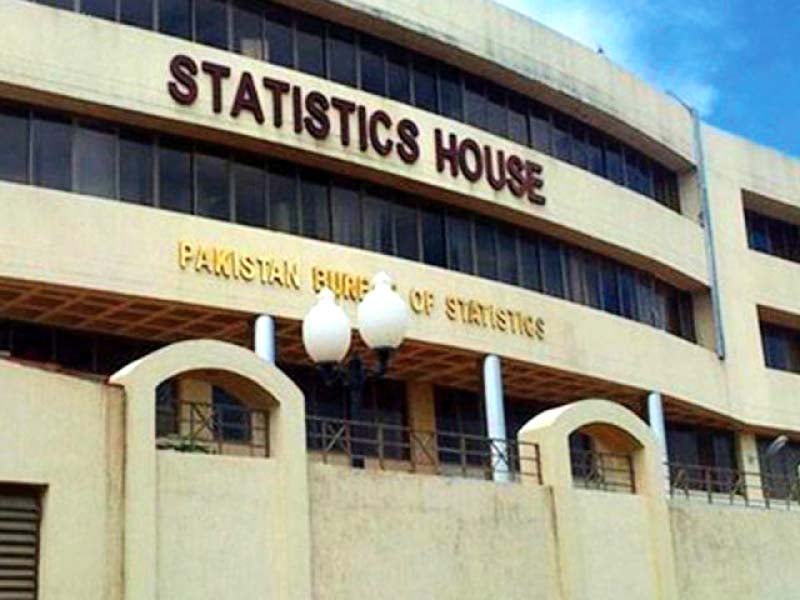
During the period from July to February, 2023-24 exports of services were recorded at $5.079 billion as against the exports of $5.149 of the same period of last year, according to the data of Pakistan Bureau of Statistics released here Tuesday.
During the period under review, the services imports into the country grew by 28.18 percent and it was registered at $6.971 billion as compared to the import of $5.438 billion in the same period last year. However, the services exports from the country on a year-on-year basis grew by 6.11 percent in February 2024 as compared to the exports of the same month of last year.
In February 2024, services valued at $627.05 million were exported as compared to exports of $590.96 million of the same month of last year. The imports of services into the country grew by 21.14 percent during the period under review as it were recorded at $784.95 million against $647.96. On month on month basis, the services exports decreased by 8.05 percent and imports by 22.51 percent respectively in February 2024 as compared to January 2024.
During the month of February 2024, the services exports were recorded at $627.05 million as compared to the exports of $681.97 million of the previous month, whereas imports were registered at $784.95 million as compared to the imports of $1.012 billion of last month.

Saudi Arabia to digitize society transformed Kingdom in a decade: Speaker

0
ISLAMABAD, Apr 02 (APP):Speakers at a roundtable on Saudi Arabia’s E-Governance as a model for Pakistan on Tuesday highlighted that Saudi Arabia with a population of around 40 million has made great strides in information technology, and its desire to digitize the society has transformed it within a span of less than a decade.
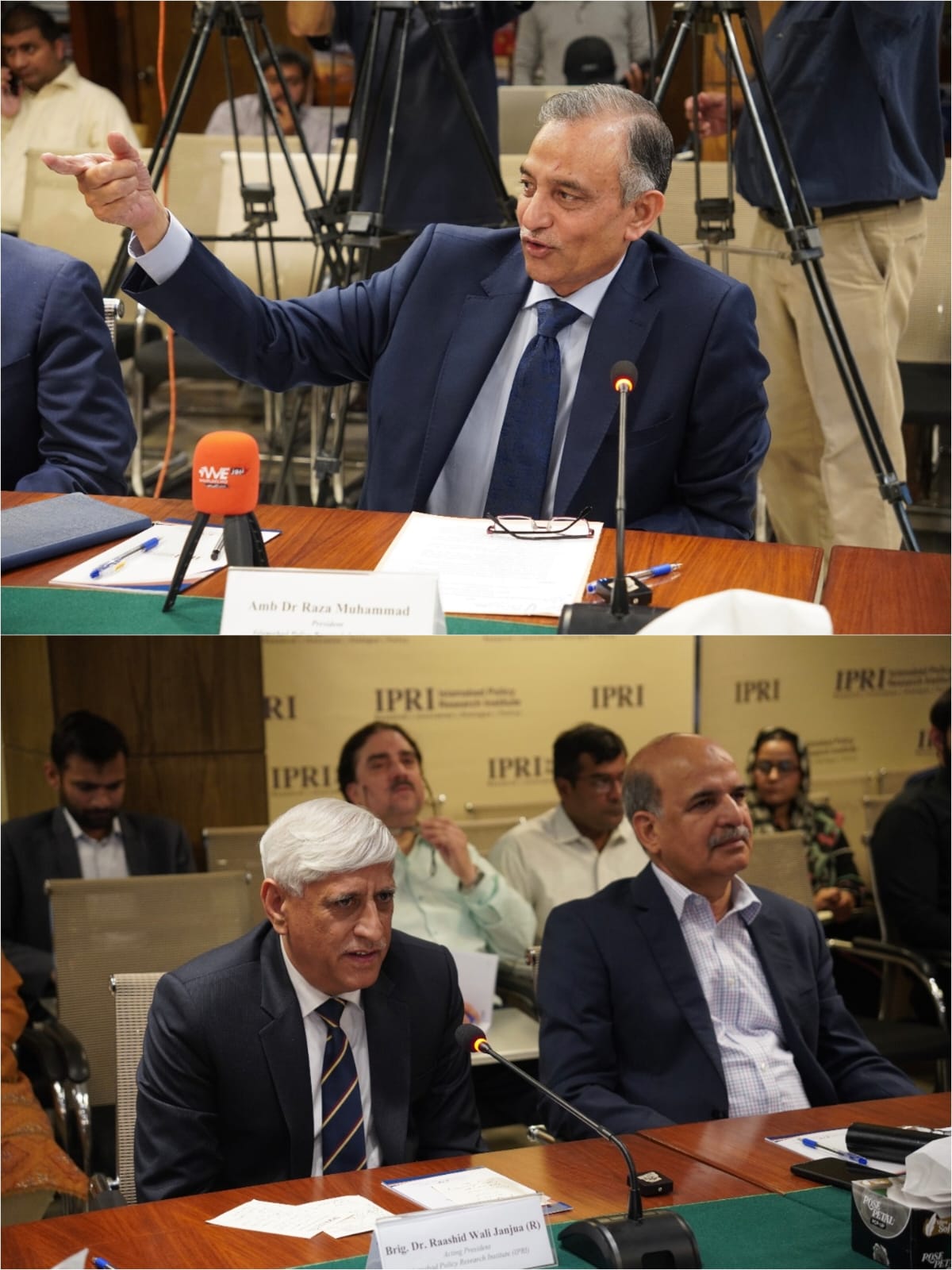
The roundtable conference titled E-Governance in Saudi Arabia: Opportunities and lessons for Pakistan was organized here at Islamabad Policy Research Institute (IPRI) in collaboration with WE World News.
CEO National Information Technology Board (NITB), Dr Babar Majid Bhatti was the chief guest, and the forum was also graced by Ambassador Vice Admiral (R) Khan Hasham bin Saddique, who had also served as an envoy in Saudi Arabia.
President IPRI Dr Raza Muhammad, Director Research Brig (R) Dr Raashid Wali Janjua, and WE News Director Ammar Masood also participated in the dialogue.
It was underscored and appreciated that Saudi Arabia with a population of around 40 million has made great strides in information technology, and its desire to digitize the society has transformed it within a span of less than a decade.
The speakers said that it is the sagacity of Saudi Arabia to diversify its economy from being oil-based to one on digital revolution. It, likewise, took a leap forward in acquiring the best of talent and expertise from world over in pursuit of setting up an infrastructure for e-commerce and ultimately e-governance.
Dr Bhatti took pride in saying that today Saudi Arabia is number one on the index of countries who have transformed after starting from a scratch in 2017. This primarily is an outcome of its vision to create a backbone of data and to disseminate it in the national mainstream.
He also said that the industry is looking for catalyst and transformers, and not merely those who can sit on the problem by evaluating academic debates. Some of the great accomplishments that came the Saudi way are National Cybersecurity Authority (NCA), a monolithic landscape of development intended to tap the best of talent, and the highest level of commitment from the leadership.
While drawing parallels, it was noted that though Pakistan possesses some of the great talent and industrious initiatives, it is lack of digital foundations that ails it.
This is why Saudi Arabia today is successfully erecting a triangular pyramid of digital society, digital economy and digital governance; and this is rapidly transforming its economy from oil to digital in context.
It was illustrated that the need for any evolving society that wants to digitize it is to have a strategy at the outset and backed by a roadmap of sustainability. The terms used in this context is Business Process Speed Engineering (BPSE), and that forms the crux for development and innovation.
Dr Bhatti observed that Saudi Arabia had laid out a practical strategy with specified objectives, along with a consistent model. He noted that it’s time to relate the academia with the industry, and he coined the idea of having Industry PhDs. Moreover, Saudi Arabia had proved that Research & Development needs to go hand-in-glove with industry, academia and the government.
Vice-Admiral Hasham noted that Saudi Arabia is number four in terms of Smart Cities in the world, and the credit goes to the personal involvement of Saudi leadership and Crown Prince Muhammad bin Salman deserves praise for it. The fact that he sits on many of the boards related to development and digital context makes him lead from the front, it was pointed out.
Ambassador Hasham said that 85 percent of Saudi society has access to E-governance, and this is no mean success. Likewise, more than 50% of its revenue at moment is from non-oil resources.
The participants pointed out that Pakistan’s fundamental problem as it takes the digital and e-governance route is lack of facilities to opt for digital financial transactions. This aspect must be studied at length, and similarly by setting up smart cities, Pakistan can address many of its governance-related problems in a better way by documenting it on digitization.
In this regard, stress was laid on digital literacy in Pakistan and the need for a transparent infrastructure. Irritants such as high cost of energy, lack of infrastructure and absence of regulations are hindering Pakistan from making strides in e-format headway.
The discussants evolved that a state-sponsored policy to facilitate private sector is the need of the hour in order to harness the best of potential that Pakistan possesses, and streamline the same into e-governance.
It was also noted that e-procurement can cut down 60% of transaction cost, and boost efficiency. The reason why Saudi Arabia has progressed is that it has taken out red-tapism from its bureaucracy, and evolved it on a format of ease-governance.

Pakistan implementing an economic reform plan critical for a robust recovery

0
ISLAMABAD, Apr 2 (APP): The World Bank on Tuesday said that Pakistan was implementing an ambitious, credible and clearly communicated economic reform plan critical for robust recovery and poverty reduction.
Pakistan’s economy is expected to grow by only 1.8 percent in the current fiscal year ending June 2024. According to the World Bank’s latest Pakistan Development Update titled Fiscal Impact of Federal State-Owned Enterprises, this subdued recovery reflects tight monetary and fiscal policy, continued import management measures aimed at preserving scarce foreign reserves, and muted economic activity amid weak confidence.
The Update also highlights the high fiscal costs of federal state-owned enterprises (SOEs) and the critical reforms needed to improve their performance, efficiency and governance through privatization.
After a contraction in FY23, the economic activity has strengthened over the first half of FY24 on the back of strong agricultural output, the report said.
According to the report, together with improved confidence, also supported some recovery in other sectors. But growth remains insufficient to reduce poverty, with 40 percent of Pakistanis now living below the poverty line. Macroeconomic risks remain very high amid a large debt burden and limited foreign exchange reserves. The structural reforms needed to durably improve the economic outlook are known.
Developing a clearly articulated reform implementation plan that is ambitious, credible and that shows quick progress is now essential to restore confidence,” said Najy Benhassine, World Bank Country Director for Pakistan. “In particular, better fiscal management will help to lower inflation, narrow the current account deficit, improve financial sector stability and increase credit to the private sector, all of which are critical for robust economic recovery.”
A sustained medium-term recovery will require a prudent macroeconomic policy mix coupled with reforms to improve the quality of expenditures, broaden the tax base, address regulatory constraints to private sector activity, reduce state presence in the economy—including via privatizations, address challenges in the energy sector, and increase public investments to improve human development outcomes, he said.
The Update includes a list of key reforms in ten areas that should be considered for priority implementation to initiate a strong, durable and poverty-reducing economic growth recovery.
“The current macroeconomic outlook projects growth that is below Pakistan’s potential, with little poverty reduction and continued erosion of living standards,” said Sayed Murtaza Muzaffari, lead author of the report. “Risks to this outlook remain high, including uncertainty around policy commitments and reform implementation, financial sector risks, potential increases in world energy and food prices in the context of intensification of regional geopolitical conflicts, slower global growth, and tighter than expected global financing conditions.”
The update highlights the high fiscal costs of SOEs operating in key sectors of the economy. These SOEs have been consistently making losses since 2016, and the government has been providing significant financial support through subsidies, grants, loans, and guarantees, leading to large and growing fiscal exposure.
“Direct government support to SOEs in the form of subsidies, loans, and equity investments accounted for 18 percent of the federal budget deficit and 2 percent of GDP in FY22,” said Qurat Ul Ain Hadi, co-author of the report.
To contain fiscal exposure from SOEs, the report recommends rapid progress with government plans for privatization, restructuring and disinvestment, as per the 2021 Triage plan. In addition, the update recommends establishing new guarantee issuance rules, mitigating credit risks, ensuring adherence to International Financial Reporting Standards and developing risk monitoring procedures.
All SOEs, including those under the SWF, should be covered under the purview of the SOEAct to ensure financial transparency and good corporate governance practices.
The Pakistan Development Updateis a companion piece to the South Asia Development Update, a twice-a-year World Bank report that examines economic developments and prospects in the South Asia region and analyzes policy challenges countries face.
The April 2024 edition titled Jobs for Resilience shows growth in South Asia is again higher than any other developing country region in the world at 6 percent in 2024, but persistent structural challenges threaten to undermine sustained growth.
This is hindering the region’s ability to create jobs and respond to climate shocks.
The report explores pathways countries can take to sustain long-term growth and reduce climate risks by boosting employment and increasing private investment.

PM for mechanism to double country’s exports in five years

0

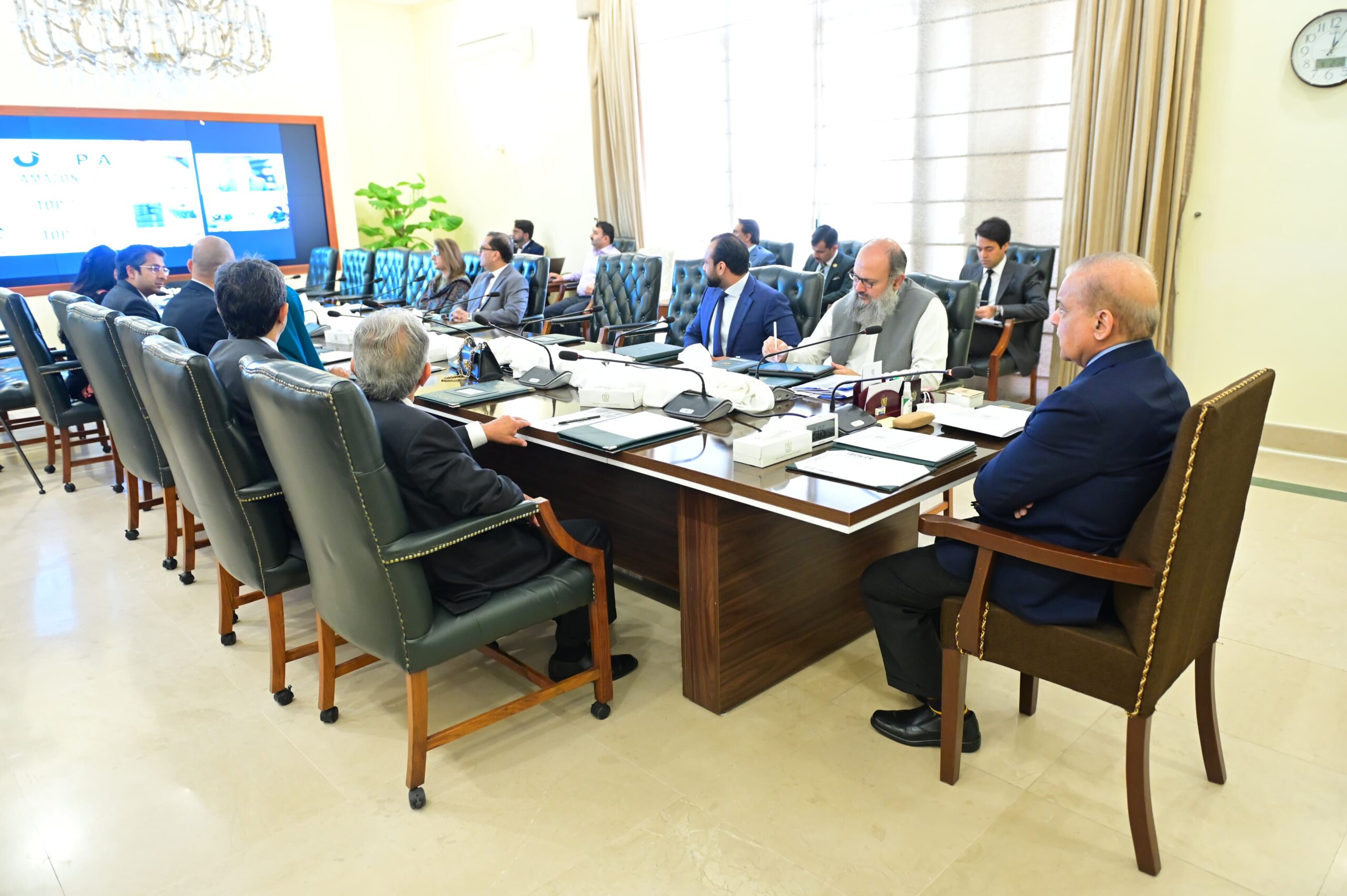
ISLAMABAD, April 02 (APP): Prime Minister Muhammad Shehbaz Sharif on Tuesday directed for formulation of a strategy aimed at two-fold increase in the country’s exports within next five years.

He also asked the Ministry of Trade for compiling of such a strategy in consultation with the successful entrepreneurs and stakeholders.

The prime minister chaired a high level meeting on the export sector. The meeting was attended by ministers including Jam Kamal, Rana Tanveer Hussain, prominent E-commerce entrepreneurs like CEO Utopia Jabran Niaz, Zeeshan Shah, Salman Ahmed and other relevant authorities, PM Office Media Wing said in a press release.

During the meeting, the prime minister directed for extending facilitation to exporters in the E-Commerce sector who had been exporting country’s product to the world, besides resolution of the issues of “Made in Pakistan’ brand exporters.

He said that they were taking steps for maximum utilization of the export sector, adding for the promotion of IT, domestic use item, textile and other exceptional sectors, the relevant stakeholders should be taken on board.

The meeting was apprised of proposals and recommendations for the development of export sector and the strategy in this regard.

The prime minister underlined for submission of recommendations over promotion of such industries that were exporting those items which had been part of the global value chains.


Over 230 candidates vie for 23 vacant seats of NA, PAs; ECP

0
ECP

ISLAMABAD, Apr 2 (APP): A total of 239 candidates were vying for 23 vacant seats in both national and provincial assemblies during the upcoming by-elections slated for April 21, a spokesman for the Election Commission of Pakistan (ECP) said in a statement issued here Tuesday.

A total of 239 candidates will contest in the by elections, with 50 of them competing for vacant National Assembly seats. Notably, the first lady Aseefa Bhutto Zardari has already been elected unopposed for NA 207, he said.

The spokesman said that a total of 23 candidates were vying for the vacant seats in the Khyber Pakhtunkhwa Assembly, while 154 candidates were seeking their fortunes in Punjab. In Sindh, Zubair Ahmed Junejo secured his seat unopposed on PS-80. Twelve contenders are in the running for the empty seats in the Balochistan Assembly. The Commission has schedule to commence printing the ballot papers for the by-elections upon the finalization of candidate lists by the relevant returning officers on March 30, he added.

The Commission’s spokesperson stated that necessary election materials had been provided to provincial election commissioners. Additionally, district the Returning Officers and Returning Officers are fulfilling their duties according to the established election schedule.

He said close coordination has been maintained by the commission with the Ministries of Interior and Defense as well as provincial law enforcement agencies.

On March 13, the Commission announced the schedule for by-elections across 23 National and Provincial Assembly seats. These elections encompass six National Assembly seats, twelve Punjab Assembly seats, two seats in the Khyber Pakhtunkhwa Assembly, one seat in the Sindh Assembly and two seats in the Balochistan Assembly, all slated for April 21, he told.

Chinese inter-cropping technology upgrading agricultural practices in Pakistan

0

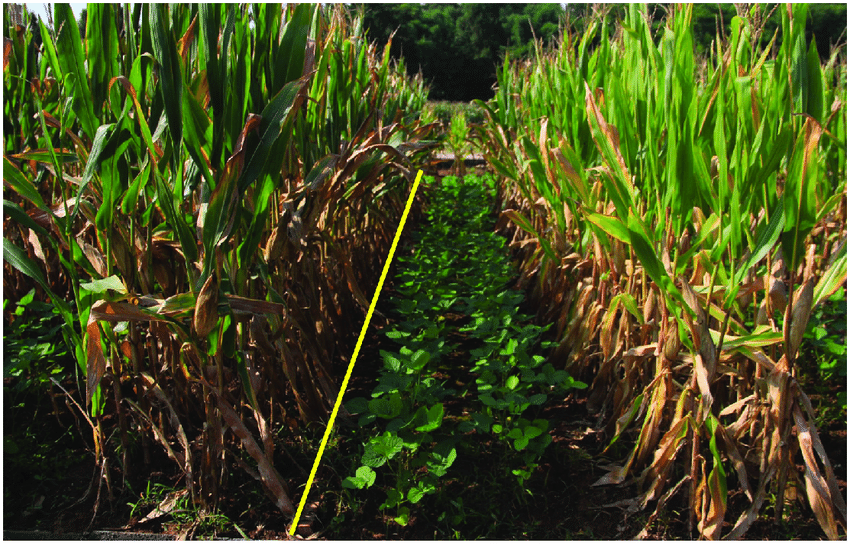
BEIJING, Apr. 2 (APP): Maize-soybean intercropping, a prevalent cultivation pattern in China, has now found its way to Pakistan, altering the landscape of agricultural practices in the region National Research Center of Intercropping (NRCI) at The Islamia University of Bahawalpur is cooperating with Sichuan Agricultural University, Shandong Academy of Agricultural Sciences, Nanjing Agricultural University and Institute of Advanced Agricultural Sciences, Peking University to leverage global expertise  for local advancement.

Prof. Xing Wang Deng and Dr. Feng Ling Yang form PKU are working closely with scientists and providing assistance in the form of germplasm of maize and soybean to enrich existing germplasm resources, China Economic Net (CEN) reported on Tuesday.

Scientists of the National Research Center of Intercropping (NRCI) at The Islamia University of Bahawalpur have just finished spring sowing. This year the intercropping demonstration fields have spread across all provinces of Pakistan.

The journey started with Pakistani scientists acquiring this cutting-edge technology from their Chinese counterparts, envisioning its potential to revolutionize agriculture in their homeland.

Experiment and demonstration trials began in 2018, spearheaded by these scientists at local farms, showcasing their acquired expertise. In 2021, under the vision of former Vice Chancellor of the Islamia University of Bahawalpur, Prof. Dr. Athar Mehboob, the National Research Center of Intercropping was established, comprising a team of local agronomists, breeders and soil scientists who ever studied overseas especially in China.

This shift is primarily attributed to the pivotal role of maize and soybean as staple grains for both food and feed production, essential for sustaining economies across various nations. In light of Pakistan’s agricultural needs, we want to uplift the country’s agricultural sector and improve the economic well-being of farmers,” said Dr. Muhammad Ali Raza, NRCI Director & International Researcher at Gansu Academy of Agricultural Sciences.

Presently, NRCI is demonstrating three major intercropping systems i.e. maize-soybean, sugarcane-soybean, and cotton-soybean at farmer’s fields in every province of Pakistan. Dr. Muhammad Ali Raza and Dr. Sajad Hussain are leading the intercropping demonstrations in about 11 districts of Punjab (Bahawalpur, Khanewal, Layyah, Vehari, Lodhran, Multan, Pakpattan, Kasur, Sheikhupura, Chiniot & Faisalabad), 5 districts in Sindh (Hyderabad, Larkana, Khairpur Mirs, Thatha & Badin), 2 districts in KPK (DIK & Charsada), and 2 districts in Azad Jamu and Kashmir (Muzafarabad & Bhimber), and these initiatives are also making inroads in Balochistan, furthering the adoption of intercropping practices in the region.Â

NRCI is engaging in collaborations with multiple national and international universities and research institutes. University of Agriculture Faisalabad (UAF), Bahauddin Zakariya University (BZU), PMAS Arid Agriculture University, Rawalpindi, Sindh Agriculture University (SAU), MNS University of Agriculture Multan, Ayub Agricultural Research Institute (AARI), National Agricultural Research Centre (NARC), National Institute for Biotechnology and Genetic Engineering (NIBGE), Sugar mill Industry and Chamber of Food and Agriculture are their local collaborators.

PSX turns bullish, gains 89 points

0
PSX

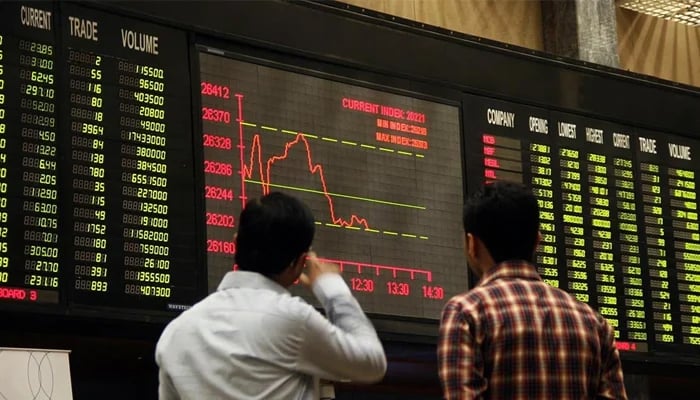
ISLAMABAD, Apr 2 (APP): The 100-index of the Pakistan Stock Exchange (PSX) on Tuesday turned around to bullish trend, gaining 89.94 points, a slight positive change of 0.13 percent, closing at 66,886.26 points against 66,796.32 points the previous trading day.

A total of 239,650,377 shares valuing Rs.8.940 billion were traded during the day as compared to 238,829,562 shares valuing Rs.8.365 billion the last day.

Some 342 companies transacted their shares in the stock market; 160 of them recorded gains and 153 sustained losses, whereas the share prices of 29 remained unchanged.

In future market, as many as 309 companies traded shares in the market, out of which 130 recorded gains, 176 witnessed losses whereas share prices of 3 companies remained unchanged.

In PSX, the three top trading companies were WorldCall Telecom with 32,343,929 shares at Rs.1.35 per share, PTCL with 27,131,713 shares with Rs.16.46 per share and Pak Reinsurance with 13,127,500 shares at Rs.15.46 per share.

Hallmark Company Limited witnessed a maximum increase of Rs.39.60 per share price, closing at Rs.576.07, whereas the runner-up was Pak Services Limited with a Rs.34.50 rise in its per share price to Rs.974.50.

Pakistan Tobacco Company Limited witnessed a maximum decrease of Rs.47.85 per share closing at Rs.1,075.10, followed by Abbott Laboratories (Pakistan) Limited with Rs.23.22 decline to close at Rs.455.56.

China condemns attack on Iranian embassy in Syria

0
Wang Wenbin

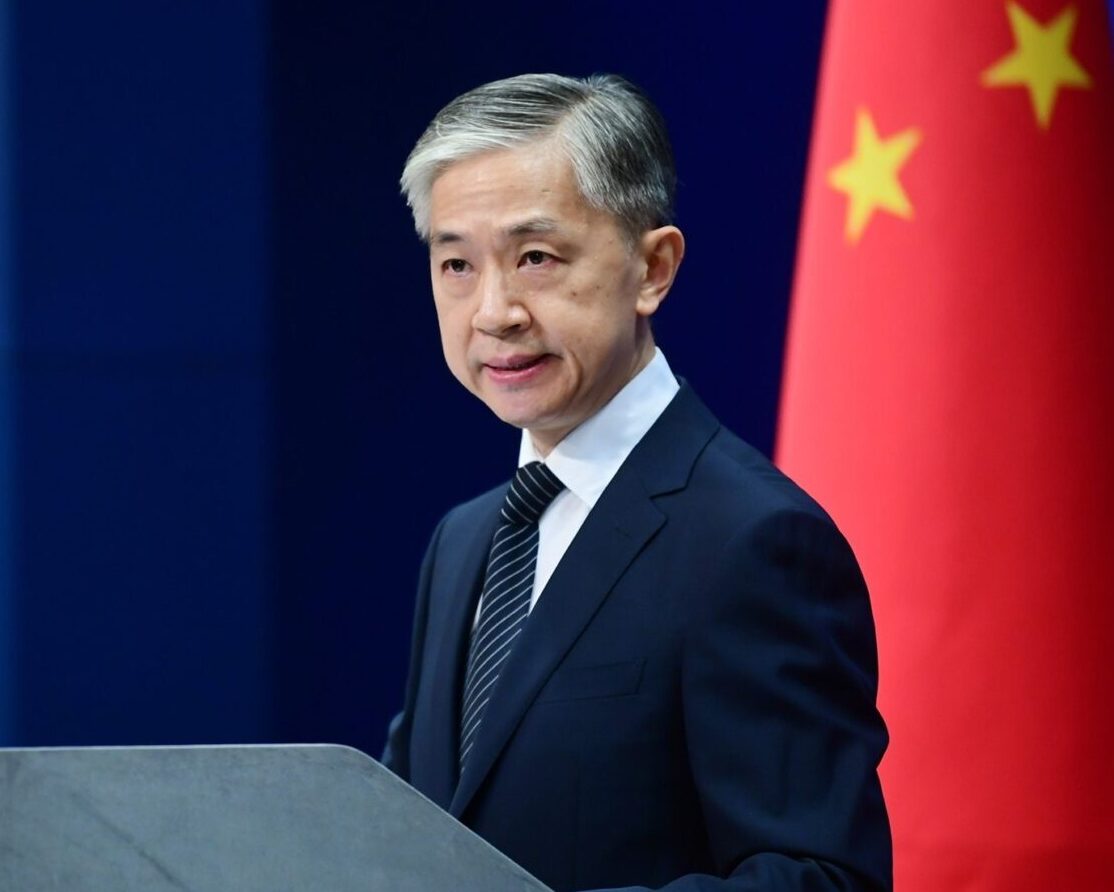
BEIJING, Apr 2 (APP): China condemns the attack on the Iranian embassy in Syrian capital of Damascus and the security of diplomatic institutions cannot be violated, Chinese Foreign Ministry spokesperson Wang Wenbin said on Tuesday.

Syria’s sovereignty, independence and territorial integrity should be respected, he said during his regular briefing held here. The spokesperson said, China opposes any actions that lead to an escalation of tensions in the Middle East.

As per reports, seven people, including a senior Iranian commander, were killed in an Israeli airstrike on the Iranian consular annex in Damascus, Syria on Monday.