
Dr. Saeed Ahmad Ali LAHORE, Aug 02 (APP):Global forests are disappearing at an alarming rate, with millions of hectares lost every year to agricultural expansion, commercial logging and increasingly intense wildfires driven by climate change. The accelerating decline is threatening biodiversity, worsening global warming and intensifying extreme weather events across the world. Pakistan is no exception. The country loses nearly 11,000 hectares of forest cover annually, while forests account for …
Rapid forest loss threatens Pakistan’s climate and biodiversity
Dr. Saeed Ahmad Ali
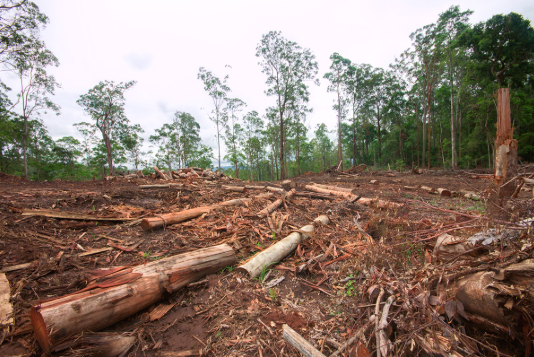
LAHORE, Aug 02 (APP):Global forests are disappearing at an alarming rate, with millions of hectares lost every year to agricultural expansion, commercial logging and increasingly intense wildfires driven by climate change. The accelerating decline is threatening biodiversity, worsening global warming and intensifying extreme weather events across the world.
Pakistan is no exception. The country loses nearly 11,000 hectares of forest cover annually, while forests account for only about 4.7 per cent of its total land area. Urban expansion, illegal logging, wildfires and the conversion of forests into agricultural and residential land continue to drive deforestation, increasing the country’s vulnerability to floods, heatwaves, droughts and smog.
Forests, particularly rainforests, play a vital role in regulating the climate by absorbing carbon dioxide, maintaining weather patterns and supporting biodiversity. Environmental experts warn that unchecked deforestation is reducing nature’s ability to mitigate climate change and protect ecosystems.
Forest experts say rapid industrialisation and urbanisation have contributed significantly to rising global mean surface temperatures, while accelerating deforestation has further compounded the climate crisis. Pakistan, like many other countries, has witnessed extensive loss of forest cover over the past several decades, resulting in severe environmental degradation and heightened disaster risks.
Noted forest expert Mirza Sarwat Baig told APP that large-scale deforestation has far-reaching consequences for the environment, agriculture, biodiversity and water resources. “If maximum land is not brought under forest cover, the impacts of climate change will continue to intensify,” he said.
Baig said Pakistan’s forests reflect the country’s diverse soils, landscapes and climatic conditions, making them essential for conserving biodiversity and managing water resources. He stressed the need for nationwide public awareness campaigns to educate communities about the ecological and economic importance of forests.
Expressing concern over the rapid loss of forests, he urged the government to formulate a comprehensive strategy and implement an effective action plan to curb illegal tree cutting, which he described as a major driver of environmental degradation.
Environmentalist and forest expert Dr Mehmood Khalid Qamar also warned that deforestation is significantly increasing climate-related hazards in Pakistan. “The decline of forests is an existential threat that demands urgent and result-oriented action,” he said. Qamar stated that meaningful progress would require collective efforts by governments, civil society, communities and religious institutions to protect forests and reverse deforestation. He said indiscriminate tree cutting has contributed to rising global temperatures, accelerated glacier melt, sea-level rise, more frequent floods, prolonged droughts and expanding desertification.
According to Qamar, climate change-induced disasters, particularly riverine and flash floods, inflict billions of dollars in economic losses every year, damaging drinking water systems, irrigation networks, education, healthcare, energy infrastructure and public assets.
Meanwhile, the Jane Goodall Institute, in collaboration with the United Nations, has launched a global initiative encouraging faith communities to help end tropical deforestation. The “Faiths for Forests” initiative invites faith-based organisations and places of worship worldwide to take practical steps to protect rainforests and advocate for climate justice.
Recent findings by the National Environment Information System (NEIMS), a United Nations Development Programme (UNDP)-supported initiative, paint a similarly concerning picture. According to the report, Pakistan’s natural forest cover declined from 3.59 million hectares to 3.32 million hectares, representing an average annual loss of about 27,000 hectares. It found that forests now cover only 4.72 million hectares, or 3.36 per cent of the country’s land area, reflecting a steady decline since 2000.
The report noted that forests provide habitat for 70 to 90 per cent of terrestrial species and support countless plant and animal species with significant ecological, economic and medicinal value, much of which remains scientifically unexplored. It warned that continued depletion of natural resources could severely undermine Pakistan’s environmental sustainability. Forests also play a crucial role in preventing soil erosion, preserving fertile land for agriculture and maintaining food security by protecting nutrient-rich topsoil from being washed away during heavy rainfall.
The Intergovernmental Panel on Climate Change (IPCC), in its Fifth Assessment Report, identified deforestation and unsustainable human development as major contributors to climate-related disasters worldwide, underscoring the urgent need for stronger forest conservation and sustainable land management policies.

