By M Atif Ismail MUZAFFARGARH, Nov 08 (APP):The Punjab government launched a livestock herd transformation initiative across 15 districts to improve the genetic potential of indigenous and non-descript cattle through artificial insemination, offering farmers access to high-quality semen at subsidized rates. The initiative aims to enhance milk and meat production, improve cattle breeds and strengthen the economic prospects of livestock farmers by introducing superior genetics into local and crossbred cattle …
Punjab launches livestock herd transformation initiative
By M Atif Ismail
MUZAFFARGARH, Nov 08 (APP):The Punjab government launched a livestock herd transformation initiative across 15 districts to improve the genetic potential of indigenous and non-descript cattle through artificial insemination, offering farmers access to high-quality semen at subsidized rates.
The initiative aims to enhance milk and meat production, improve cattle breeds and strengthen the economic prospects of livestock farmers by introducing superior genetics into local and crossbred cattle populations.
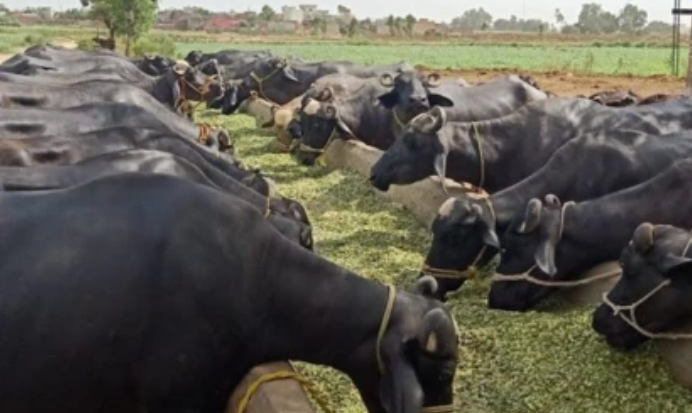
Under the programme, semen of several internationally recognized cattle breeds, including Holstein Friesian, Jersey, Gir, Brahman, Angus, Guzera, Nelore and Wagyu, is being made available to farmers. The facility particularly targets non-descript cattle, including indigenous cows and their crossbreeds, to improve the productivity and genetic quality of local herds.
A major feature of the initiative was the provision of sex-sorted semen with a 70 per cent government subsidy, enabling farmers to access advanced breeding technology at reduced rates. The facility includes sorted semen of Holstein Friesian, Jersey, Nelore and Gir breeds.
According to the notified field rates, conventional semen was available at Rs150 for Holstein Friesian, Rs110 for Jersey, Rs350 each for Gir, Angus, Guzera, Nelore and Wagyu, and Rs500 for Brahman.
Under the subsidized sorted semen category, farmers were charged Rs2,375 each for Holstein Friesian, Jersey and Nelore, while Gir semen is available at Rs2,216. The rates were applicable to services provided in the field.
The project was expected to help farmers gradually transform their cattle herds by promoting scientifically managed breeding practices, improving the quality of future generations and increasing the potential for higher milk production.
Senior Veterinary Officer Dr Jamshaid Akhter, Tehsil Alipur, District Muzaffargarh, has also urged livestock farmers to ensure that artificial insemination is performed by trained technicians and that only certified, quality semen was used.
He emphasized the importance of maintaining proper breeding records, including the date of insemination, semen identification number and the technician’s name, to monitor breeding outcomes and ensure effective herd management.
The initiative also seek to raise awareness among farmers about the importance of selecting appropriate breeds, using quality genetic material and ensuring artificial insemination at the right time.
Livestock experts believe that wider adoption of modern breeding techniques would play a significant role in improving animal productivity, increasing farmers’ incomes and strengthening Punjab’s livestock sector as an important contributor to the provincial and national economy.
The programme covered 15 districts, including Mandi Bahauddin, Sargodha, Faisalabad, Bahawalpur, Hafizabad, Chiniot, Multan, Muzaffargarh, Layyah, Okara, Jhelum, Rahim Yar Khan, Kasur, Dera Ghazi Khan, Pakpattan and Gujranwala.