The Lahore High Court (LHC) on Thursday temporarily restrained the implementation of an order directing compensation in a decades-old land dispute involving the Lahore Electric Supply Company (LESCO) and a private claimant, with approximately Rs60 billion at stake.
LHC restrains implementation of compensation order involving Rs 60b LESCO land dispute
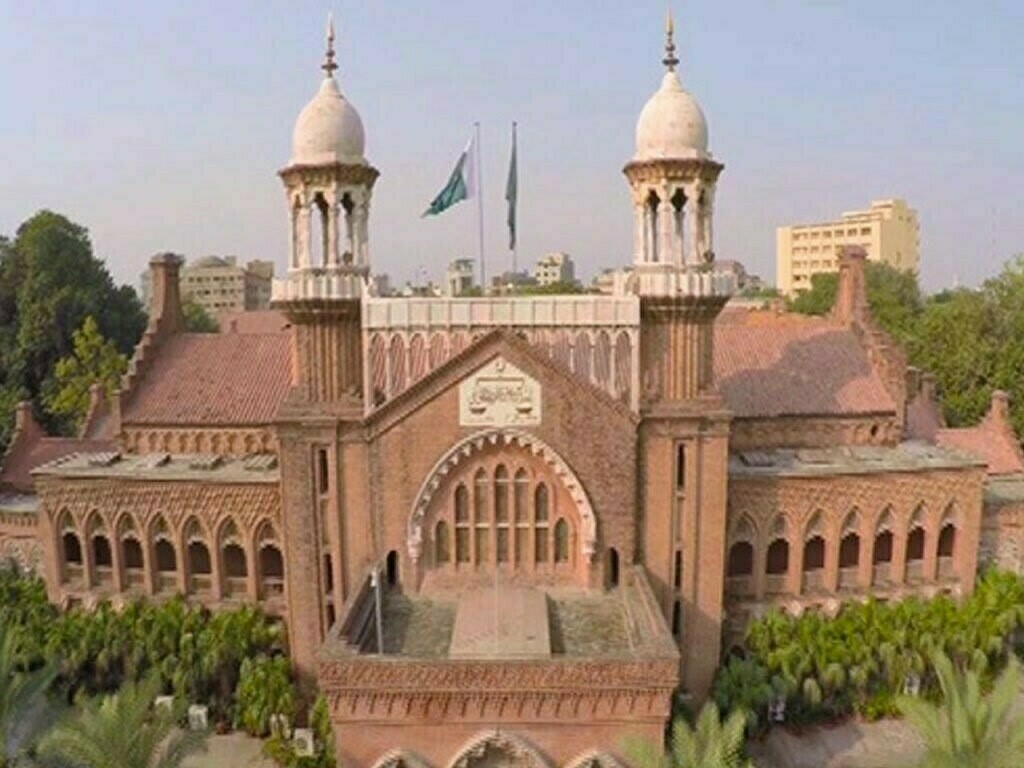
LAHORE, Aug 27 (APP): The Lahore High Court (LHC) on Thursday temporarily restrained the implementation of an order directing compensation in a decades-old land dispute involving the Lahore Electric Supply Company (LESCO) and a private claimant, with approximately Rs60 billion at stake.
Justice Jawad Hassan passed the interim directions while hearing a petition filed by LESCO under Article 199 of the Constitution. The petition challenges an order dated July 1, 2026, as well as a letter issued on August 21, 2026, concerning implementation of earlier recommendations for payment of compensation to the claimant.
The court observed that the petitioner had raised an arguable jurisdictional question regarding the basis on which the compensation was being implemented. It noted that the claimant’s ownership of the disputed property was itself under challenge and that the matter was pending before a competent civil court.
The LESCO’s counsel submitted that the dispute concerns 45 kanals and 17 marlas of land comprising several khasra numbers in Mouza Khudian, Tehsil and District Kasur. He maintained that the claimant’s title to the land is defective and that the provincial government is the actual owner.
He stated that the Wafaqi Mohtasib’s recommendations of April 12, 2013, had not contemplated unconditional payment of compensation. Where ownership was in doubt, verification through the Revenue Department had been envisaged.
Similarly, a subsequent decision dated February 2, 2015, passed by the President’s Secretariat, required a site inspection with the assistance of senior Revenue Department officials and examination of the relevant record to determine the precise area lawfully owned by the claimant and actually occupied by the agency before compensation could be paid, he added.
He further submitted that a civil suit was pending before the Civil Court, Kasur, in which interim relief had been granted in favour of LESCO on May 8, 2023. He also submitted that implementation proceedings had subsequently been closed by the concerned authority through an order dated September 16, 2024.
He submitted that these intervening developments required examination before the earlier recommendations could be revived or implemented through the impugned order dated July 1, 2026.
He also questioned the jurisdiction of the Wafaqi Mohtasib in a matter involving disputed ownership, possession and entitlement to compensation for immovable property. He stated that the Ombudsman’s jurisdiction primarily relates to injustice arising from maladministration and cannot ordinarily be used as a substitute for civil adjudication of disputed proprietary rights.
At this, the court noted that the claimant’s entitlement to compensation appeared, prima facie, to depend upon establishing lawful ownership of the land and determining the precise area allegedly occupied by LESCO.
The order further noted that the litigation had originated as far back as 1974 and involved a substantial amount of approximately Rs60 billion.
Taking into account the fact that the claimant had not personally pursued proceedings before the concerned authorities and that the matter appeared to have been pursued through an attorney, the court directed that the claimant appear before it on the next date through the CPO Faisalabad. The purpose is to verify his identity, continued existence and whether the proceedings had been instituted or pursued with his knowledge, authority and consent, it added.
The court issued notices to the respondents for September 3, 2026, directing the Assistant Attorney General to obtain instructions from the relevant departments and submit a report and parawise comments before the next hearing.
However, as the matter was fixed for August 28, the court directed that if the impugned July 1 order had not already been implemented, it should not be acted upon or implemented by the concerned authority until the next date of hearing, it added.
The court clarified that the interim arrangement should not be construed as an opinion on the merits of the petition, ownership of the disputed land, the claimant’s entitlement to compensation or the jurisdiction of the authorities. All these questions would be examined independently after hearing the parties and reviewing the complete record.