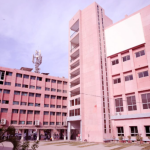
FAISALABAD, Sep 20 (APP):Advisor to Prime Minister on Political & Public Affairs Senator Rana Sanaullah Khan on Sunday said that the government’s priority was to ensure that people, particularly those from low-income communities, could access better health, education and livelihood facilities without discrimination. He was addressing a large gathering after inaugurating the newly constructed building of Rural Health Center (RHC) at Chak No.30-JB, Aminpur, where the facility was also equipped …
Govt committed to providing equal healthcare for rich, poor: Rana Sanaullah
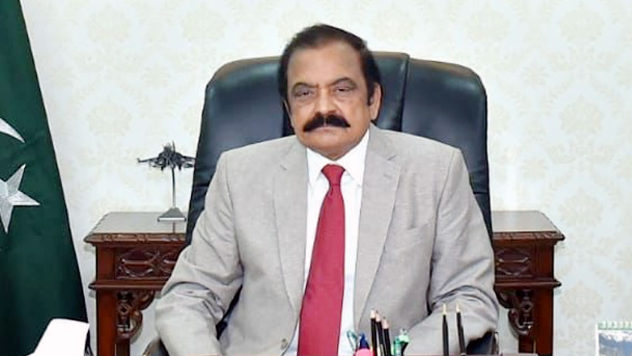
FAISALABAD, Sep 20 (APP):Advisor to Prime Minister on Political & Public Affairs Senator Rana Sanaullah Khan on Sunday said that the government’s priority was to ensure that people, particularly those from low-income communities, could access better health, education and livelihood facilities without discrimination.
He was addressing a large gathering after inaugurating the newly constructed building of Rural Health Center (RHC) at Chak No.30-JB, Aminpur, where the facility was also equipped with a modern ultrasound machine.
Senator Rana Sanaullah said that provision of basic amenities including healthcare, education and employment opportunities, remained among foremost priorities of the government.
The Punjab government under dynamic leadership of Chief Minister (CM) Maryam Nawaz was taking various initiatives for extending public welfare benefits directly to ordinary citizens, he added.
He stressed that improving infrastructure alone was not enough unless public healthcare facilities also ensured dignified treatment and quality medical care to every patient.
“The poor patient must receive the same attention, respect and quality of treatment as an influential or affluent person”, he said, urging doctors, paramedical staff and administrative officials to fulfill their responsibilities in letter and spirit.
Rana Sanaullah said that the existing RHC had been revamped while different proposals regarding outsourcing of health facilities were under consideration to improve their performance.
He explained that the purpose of outsourcing was not to shift the financial burden onto patients but to entrust the management of a health facility to a qualified doctor or specialist so that it could be operated more efficiently while its expenses would continue to be borne by the government.
He said that the government was also examining the possibility of outsourcing certain schools and healthcare facilities where improved management could enhance service delivery.
“If people do not want RHCs and Basic Health Units (BHUs) to be outsourced, every person from the CEO Health to doctors and administrative staff will have to perform their duties responsibly”, he added.
Rana Sanaullah said that a health center providing timely treatment, proper facilities and respectful behavior to patients would itself demonstrate that effective public-sector management was possible without resorting to outsourcing.
Highlighting other government initiatives, he said that thousands of landless farmers had recently been provided four acres of land each including people whose land had allegedly been occupied or who had previously been denied access to land.
He also referred to the “Himmat Card” initiative aimed at promoting business and helping people become economically self-reliant, saying that such measures were intended to create opportunities for ordinary citizens.
Referring to the economic difficulties confronting the people, Rana Sanaullah said that inflation had made life difficult for households while global energy-market disruptions were also affecting economies around the world.
He said that Pakistan was facing the impact of wider geopolitical tensions particularly disruptions involving major energy and shipping routes.
He said that the situation in the Strait of Hormuz and Bab Al-Mandeb had created difficulties for international energy supplies and trade, with repercussions for economies across the world.
He called for political stability, peace and national unity to help the country navigate the difficult economic environment.
He said that Pakistan had been making diplomatic efforts for peace and de-escalation in the Iran-US conflict.
He expressed hope that an end to hostilities and restoration of normal energy and trade flows would help ease pressure on energy prices and provide economic relief to Pakistan.
He also highlighted Pakistan’s defense capabilities and said that the country was capable of protecting its own security and contributing to regional stability when required.
He said that the country could overcome its present challenges through collective efforts by the political leadership, state institutions and people, adding that peace, stability and national cohesion were imperative for economic progress and effective delivery of public services.
Rana Sanaullah said that political differences should be addressed through dialogue and understanding rather than confrontation particularly at a time when the country was facing economic and regional challenges.
He urged all stakeholders to work together for stability and development so that the benefits of public-sector initiatives could reach ordinary citizens.
Chief Executive Officer (CEO) Health Dr Shahzad, former MPA Mian Ajmal Asif, local leaders of Pakistan Muslim League-Nawaz (PMLN), notables of the area and a large number of people were present on the occasion.