
RAWALPINDI, Nov 13 (APP):Al-Shifa Trust (AST) Eye Hospital has identified more than 50 genetic conditions through specialised testing over the past 18 months, offering new hope to families struggling with unexplained and inherited illnesses. The hospital's Department of Ophthalmic Genetics had analysed 297 individuals from 225 families using specialised DNA tests to identify the causes of inherited and other genetic conditions, many of which remain undiagnosed despite repeated medical investigations. …
AST identifies over 50 genetic conditions through specialised testing
RAWALPINDI, Nov 13 (APP):Al-Shifa Trust (AST) Eye Hospital has identified more than 50 genetic conditions through specialised testing over the past 18 months, offering new hope to families struggling with unexplained and inherited illnesses.
The hospital’s Department of Ophthalmic Genetics had analysed 297 individuals from 225 families using specialised DNA tests to identify the causes of inherited and other genetic conditions, many of which remain undiagnosed despite repeated medical investigations.
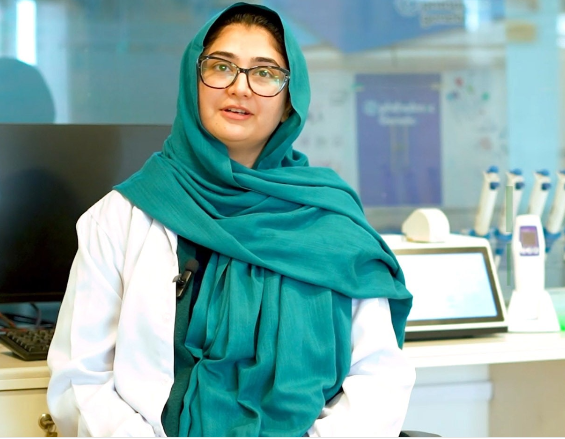
Led by Dr Rutaba Gul, head of the department, the facility had established a fully functional genetic testing laboratory supported by a specialist team. It had received referrals from more than 30 doctors working at various hospitals and in different cities, as well as from departments within Al-Shifa Trust Eye Hospital.
The department was also developing a genetic database of patients and families to improve understanding of inherited conditions affecting the local population. The database includes rare and unusual genetic findings that could help improve diagnosis and clinical decision-making in future cases.
Genetic testing enables doctors to identify diseases when routine investigations fail, assess the risk of complications and guide treatment. Where appropriate, it can also support targeted therapies and personalised medication, while reducing unnecessary tests and associated costs.
The tests were particularly valuable for families affected by incurable genetic conditions. Even when treatment was unavailable, identifying the underlying cause helps doctors explain the disease, assess possible complications and guide patients towards appropriate care.
The department also provides genetic counselling and prenatal testing to help families understand inherited diseases, reproductive risks and available options. These services were particularly important for families in which genetic eye conditions have affected several generations, enabling informed decisions about future pregnancies and early assessment of genetic risks.
For many families, a confirmed genetic diagnosis can end years of uncertainty, explain illnesses affecting several relatives and provide a clearer understanding of potential health risks.
Dr Rutaba Gul said the hospital offered genetic testing free of cost in some cases and at highly affordable rates in others, making specialised diagnosis more accessible in Pakistan.
She said the department was combining modern technology, specialist expertise, genetic counselling and a growing patient database to address an important healthcare gap and support families affected by rare and inherited diseases.

