
Doctors at Al-Shifa Trust (AST) Eye Hospital have successfully performed a rare life-saving operation on a three-day-old newborn suffering from an aggressive congenital eye tumour, in what hospital officials described as the first documented case in Pakistan involving the successful treatment of a 285-gram congenital eye tumour in an infant of that age.
Al-Shifa doctors perform rare life-saving surgery on three-day-old infant
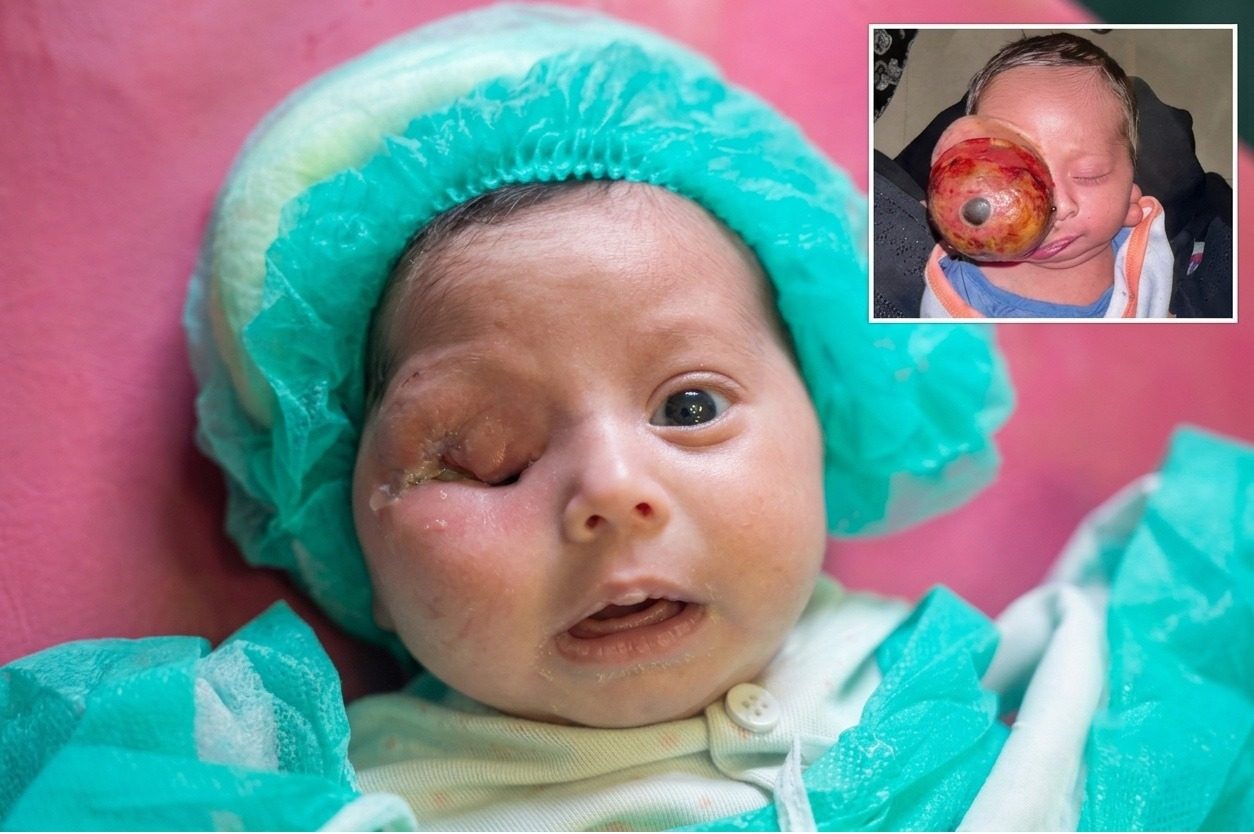
RAWALPINDI, Jul 21 (APP):Doctors at Al-Shifa Trust (AST) Eye Hospital have successfully performed a rare life-saving operation on a three-day-old newborn suffering from an aggressive congenital eye tumour, in what hospital officials described as the first documented case in Pakistan involving the successful treatment of a 285-gram congenital eye tumour in an infant of that age.
The infant, from a village in Jhelum district, was brought to the hospital shortly after birth with a rapidly growing tumour affecting one eye. Following an emergency assessment, specialists determined that immediate surgery was the only option to prevent life-threatening complications.
The procedure was performed by a team comprising Dr Tayyab Afghani, Dr Faizan Tahir, Dr Ali Raza Syed and Dr Aiman, assisted by anaesthetists, nurses and other clinical staff.
Owing to the advanced stage of the disease, surgeons removed the affected eye to completely excise the tumour and save the infant’s life.
According to the treating team, a normal newborn eyeball weighs about three grams, whereas the tumour removed from the infant weighed 285 grams—approximately 95 times the normal weight of a newborn eyeball.
Consultant ophthalmologist Dr Tayyab Afghani said the operation had been successful and the infant was recovering well under close medical supervision.
He said the baby’s condition had stabilised and the medical team was satisfied with the post-operative progress.
Dr Afghani said congenital eye tumours in newborns were rare but could progress rapidly if not diagnosed and treated without delay. Early referral to a specialised eye care facility, he added, could significantly improve treatment outcomes and reduce the risk of serious complications.
He appreciated the parents for seeking immediate medical attention, saying their timely decision enabled doctors to intervene before the disease advanced further.
He advised parents to seek prompt medical evaluation if a newborn developed an unusually enlarged eye, persistent swelling, an abnormal appearance of the eye or any other unusual changes, as early diagnosis could be critical.
Dr Afghani said the child would remain under regular follow-up to monitor recovery. Once healing is complete, the hospital plans to fit the infant with a custom-made artificial eye to support normal facial growth, improve appearance and aid healthy development.
The hospital said the case highlighted the importance of specialised paediatric eye care and timely intervention in managing rare congenital eye conditions, particularly during the first few days of life, when prompt treatment can be lifesaving.