PASSCO to purchase 2 lac bags wheat in Mian Channu
PM declares Education Emergency to enroll 26m out-of-school children, aspires highly educated Pakistan
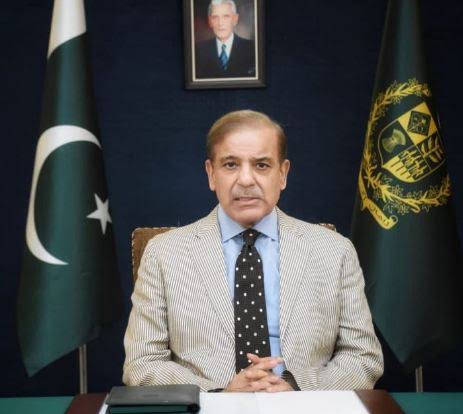
ISLAMABAD, May 8 (APP): Prime Minister Shehbaz Sharif on Wednesday declared an ‘Education Emergency’ across Pakistan to enroll around 26 million out-of-school children and promote literacy to make the country regain its lost space and develop it as one of the most educated societies in the world.
“Today, with iron conviction, and the support of provinces, we will handle the challenge of 26 million out-of-school children. We will bring them back to school…I declare from this moment an Emergency in Education all over Pakistan…The way we did it in Punjab, we will do it in Pakistan,” the prime minister said addressing the National Conference on Education Emergency.
He told the gathering of federal ministers, parliamentarians, vice-chancellors, diplomats, and development partners that he would personally supervise the programme and meet all the chief ministers, setting aside political affiliations, with a vision to march in unison, expressing the hope that the provinces too would extend their support.
“This is about our children and our future… This is a very challenging task, no doubt. But nations which had faced difficulties and defeat in the past arose from the ashes of defeat. Germany and Japan are the examples. Why can’t Pakistan be? I guarantee, if we move in unison to find our space, Pakistan will emerge as one of the most educated societies one day,” he remarked.
The prime minister, recounting the achievements of the Punjab Government during his chief ministership, highlighted the boosted enrollment rates, especially for girls, through initiatives like the Zevar Taleem Programme, and rescuing 90,000 boys from brick kilns to sending them to schools.
He also mentioned outsourcing of 10,000 poorly performing schools to improve education quality and established Daanish Schools which offered free high-quality education and boarding for underprivileged children. The Punjab Education Endowment Fund provided scholarships to hundreds of thousands of deserving students based on merit.
He said the enrollment of 26 million out-of-school children and stunted growth were major challenges facing Pakistan which required huge financial resources. “But the real challenge is the will to do,” he commented and recalled Pakistan’s manifestation of the commitment to become a nuclear power despite international pressures, and eliminating terrorism by sacrificing around 80,000 lives to establish peace in the country as well as the globe.
In his address, Minister for Federal Education and Professional Training Dr Khalid Maqbool Siddiqui said the education sector needed immediate actions and urgent responses as Pakistan stood at the crossroads of destination with no option to lose.
“The statistics of education in Pakistan are disturbing, alarming and disheartening. More than 26 million children are out of school. This number is greater than the population of 150 countries in the world,” he commented.
Unicef Representative in Pakistan Abdullah A. Fadil said over 70% of children of age 10 in Pakistan could not read or understand text. Despite constitutional guarantees, education in Pakistan was neither yet compulsory nor free.
He said through enhanced investment in education and young people, Pakistan could regain its lost stature as the first Nobel Laureate in Physics belonged to Pakistan and that the country also recently sent a space mission to moon.
British High Commissioner in Islamabad Jane Marriott said that Pakistan with 60% population under 30 years of age was at a crossroads to make tough choices.
She said the conference called for urgent actions like enhanced funding, inclusivity, multiple shifts schools and retaining the children, and assured her country’s all-out cooperation to make Pakistan achieve the goal.
World Food Programme Country Director Coco Ushiyama in her video message said food security and education went hand in hand and school meals was one of the best programmes to invest in the country’s future.
World Bank Vice President Martin Raiser said Pakistan was faced with 40% children having stunted growth and the ratio was around 60pc in poor districts.
He also commended the prime minister for taking the out-of-school children as a challenge and suggested the government to hold absent teachers accountable, and provide public transport, safe roads, toilets and electricity in schools to enhance enrollment.
He said as Pakistan’s education system was vulnerable to climate change, it was a must to invest in climate resilience.
Pakistan’s fastest mountaineer Naila Kiani, in her video message from Makalu Mountain, said she had been able to achieve her dreams just because of self-belief and education.
She requested the prime minister and chief ministers to allocate more resources for girls’ education to help them materialize their dreams.

MWMC hires 500 sanitary staff for swift cleanliness in city
Symposium addresses Pakistan’s vulnerability to climate change, remedies
ISLAMABAD, May 8 (APP): A Symposium held at the International Islamic University, Islamabad (IIUI) on Wednesday addressed Pakistan’s vulnerability to climate change and the urgent need to educate citizens, especially the youth, on its impact and mitigation strategies.

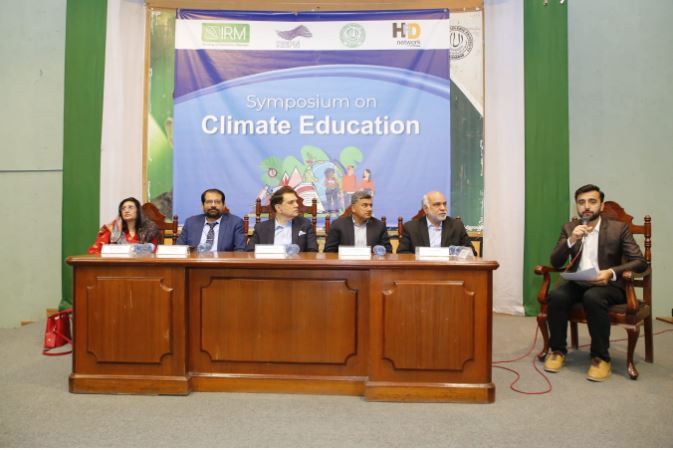
The Institute of Rural Management (IRM), in collaboration with the Human Resource Development Network (HRDN) and the Rural Support Programme Network (RSPN), hosted a symposium titled ‘Climate Education: Educate, Advocate, and Act’.
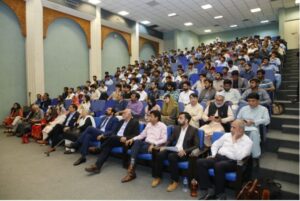
The event convened a diverse audience, including government officials, professors, professionals, students, and community members.
It shed light on Pakistan’s vulnerability to the global impact of climate change and the imperative to educate citizens, particularly the youth, about its implications and mitigation strategies.
Esteemed panelists, including Dr. Roomi S. Hayat (CEO, IRM, and Chairperson, IUCN-PNC), Dr. Tariq Cheema (Executive Country Representative of Pakistan and Afghanistan from ALIGHT), Dr. Zafar Iqbal (Dean, Social Sciences Department, IIUI), Dr. Noor Fatima (Chairperson, IR & Political Sciences Department, IIUI), and Dr. Ghulam Ali (Chairman, IBCC, Ministry of Federal Education & Professional Training), engaged in thought-provoking discussion and deliberation and apprised the audience. The event was successfully moderated by Haseeb Khan (Officer Climate & Energy, WWF Pakistan).

Dr. Roomi S. Hayat shared how climate education could be taken to rural and marginalized groups in Pakistan and the significance of making them aware of the threats of climate change to make them well prepared for such changes.
He also mentioned the initiatives by IUCN in this regard and the knowledge products curated and information platforms established to foster climate education and awareness.
Dr. Tariq Cheema from ALIGHT highlighted the significance of mainstreaming climate education in the context of Pakistan.
He said, “Being climate literate is not enough; one must take action at the individual level and be climate conscious.”
Dr. Ghulam Ali represented the government’s stance on climate education. He said, “The government is active in working on various aspects of climate education, which is underway.”
He invited experts on the panel to come forward and contribute to designing climate education material. He also emphasized leveraging technology to foster climate education.
Dr. Noor Fatima and Dr. Zafar Iqbal from IIUI discussed climate education in NDCs developed by Pakistan and how it can be incorporated into existing education curricula at various levels of education.
The symposium provided a critical platform for comprehensive analysis and discourse on the pertinent topic of climate education, and through informative discussion, insightful case studies, and interactive sessions, participants gained valuable perspectives on the profound implications of these interconnected challenges.
Beyond its educational value, the symposium facilitated networking opportunities and knowledge sharing among stakeholders from diverse sectors, fostering collaboration and synergy in addressing shared environmental concerns.
Participants were encouraged to harness their collective expertise and resources to advance holistic approaches toward fostering climate literacy in the wake of current climatic challenges.
Saudi Arabia says anyone violating Hajj regulations between June 2-20 will be punished
PSX loses 159 points
DENIDA director discusses waste water treatment plant
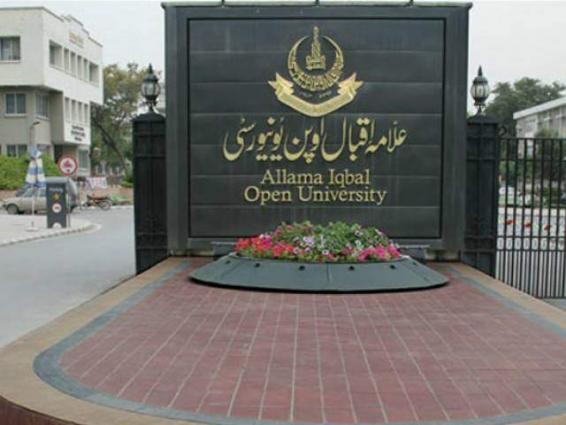
Syrian Arab Republic delegation visits AIOU
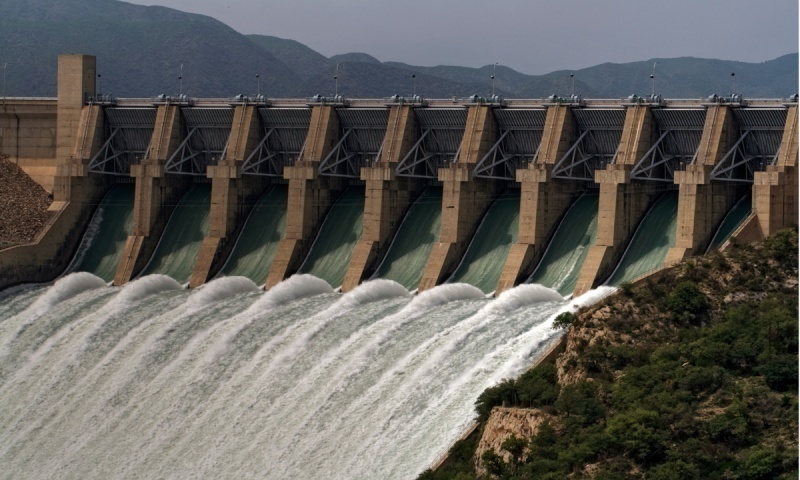
IRSA curtails water shortage from 30 % to 21 % for Punjab, Sindh
Probation officers of Information group briefed over APP’s working scope
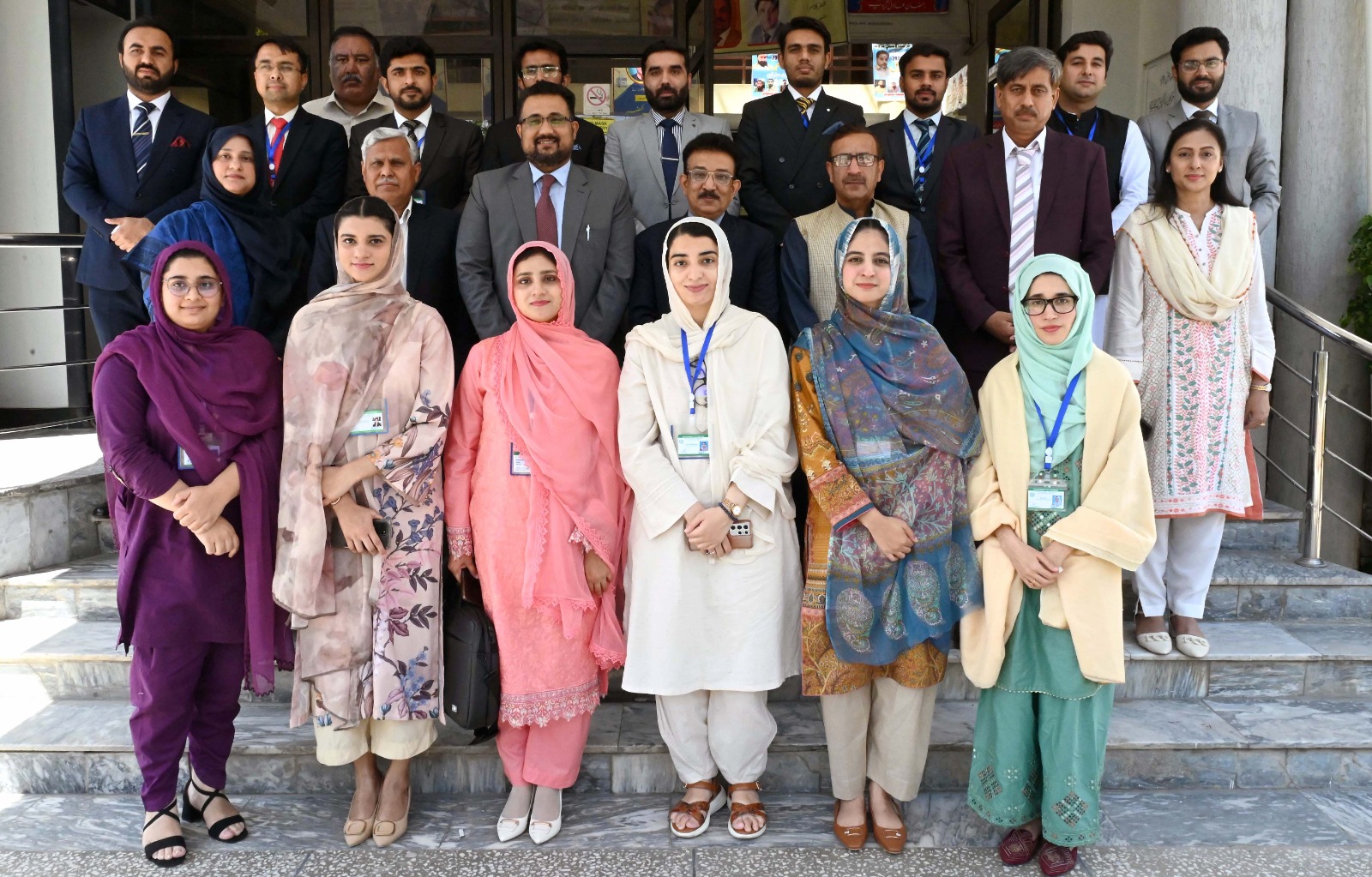
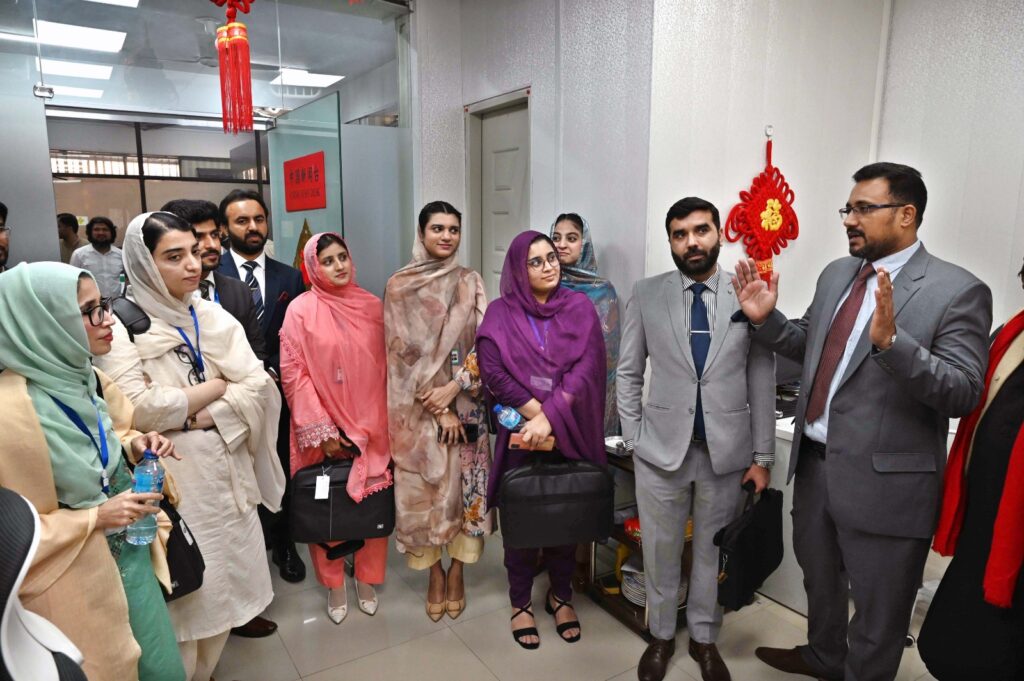
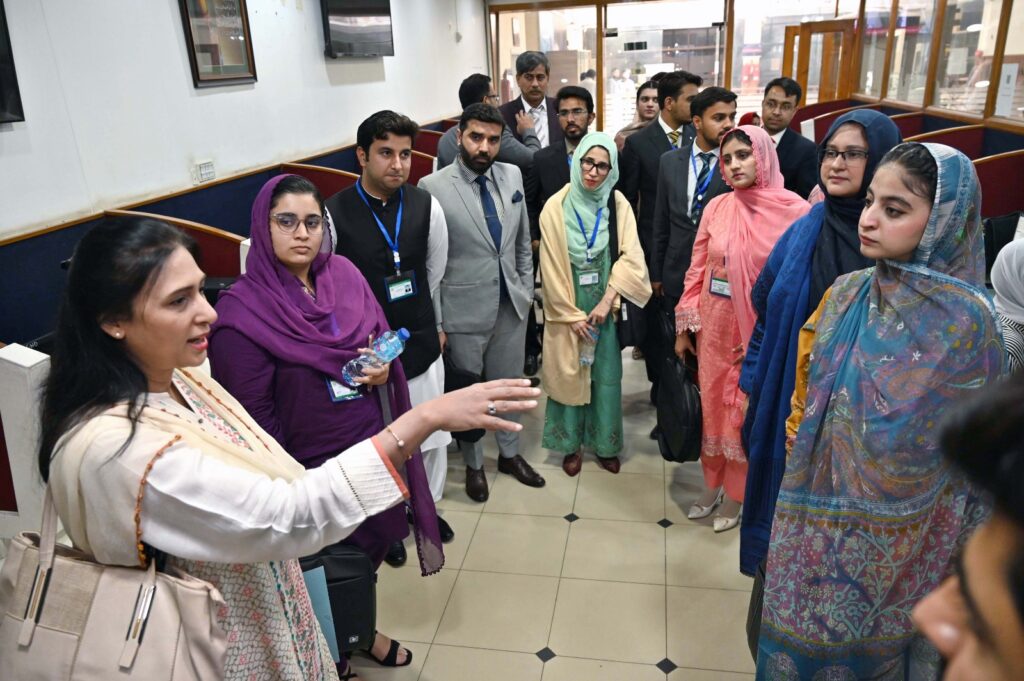
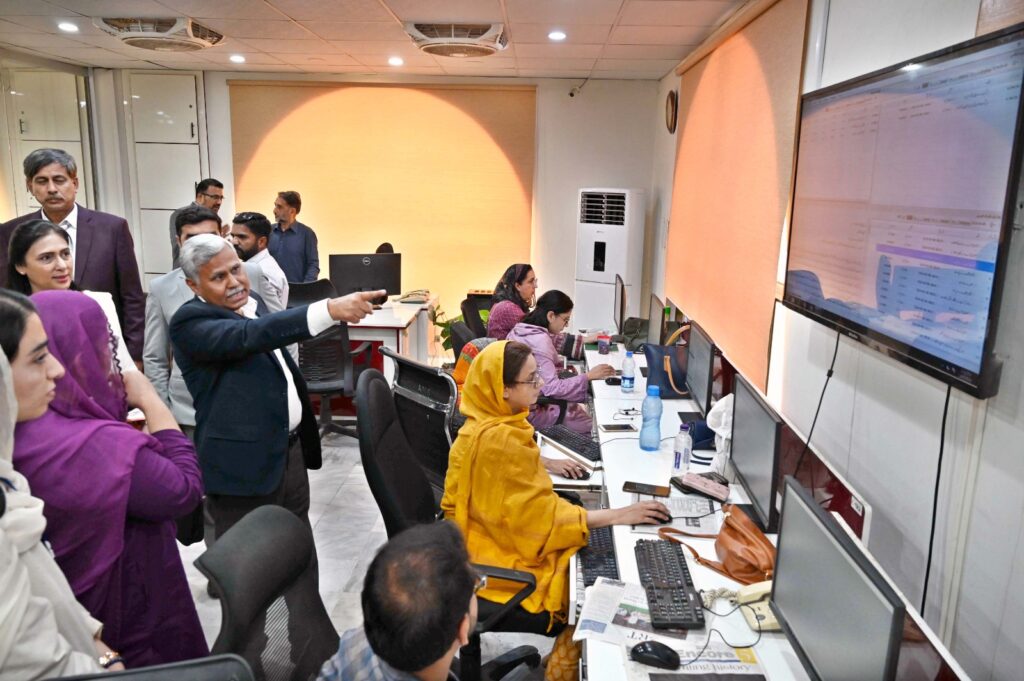
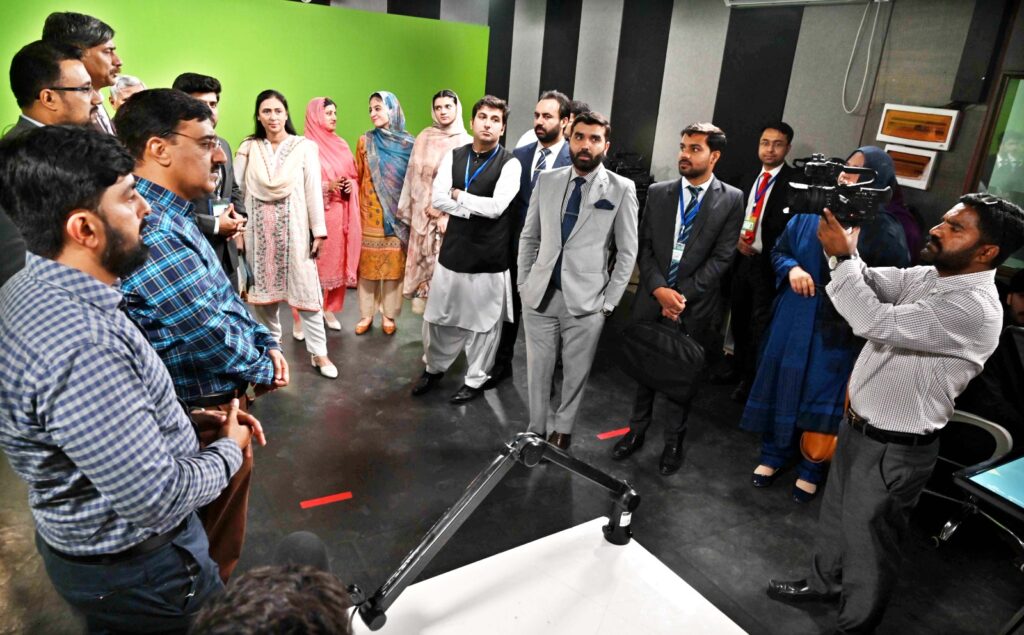
ISLAMABAD, May 8 (APP): A batch of 15 probationary officers from Information Service group on Wednesday visited Associated Press of Pakistan (APP), where they were briefed about the professional working of the national news agency.

Led by Executive Director General of Information Service Academy (ISA), Arshad Munir, the visit of probationers was part of the 41st Specialized Training Programme aimed at learning about the various wings and attached departments of the Ministry of Information and Broadcasting.

Managing Director APP, Muhammad Asim Khichi on the occasion highlighted the role of APP in dissemination of credible news besides building a positive narrative in national interest.
APP, he said, was progressing as a dynamic news agency with a versatile approach of expanding from the text-only service to more digitalized forms including multimedia news, photo and visual services.

Earlier, Executive Director APP Adnan Bajwa gave a detailed presentation about the working of APP including the multi-lingual news operations, network of correspondents and the organization’s news exchange agreements with other countries.

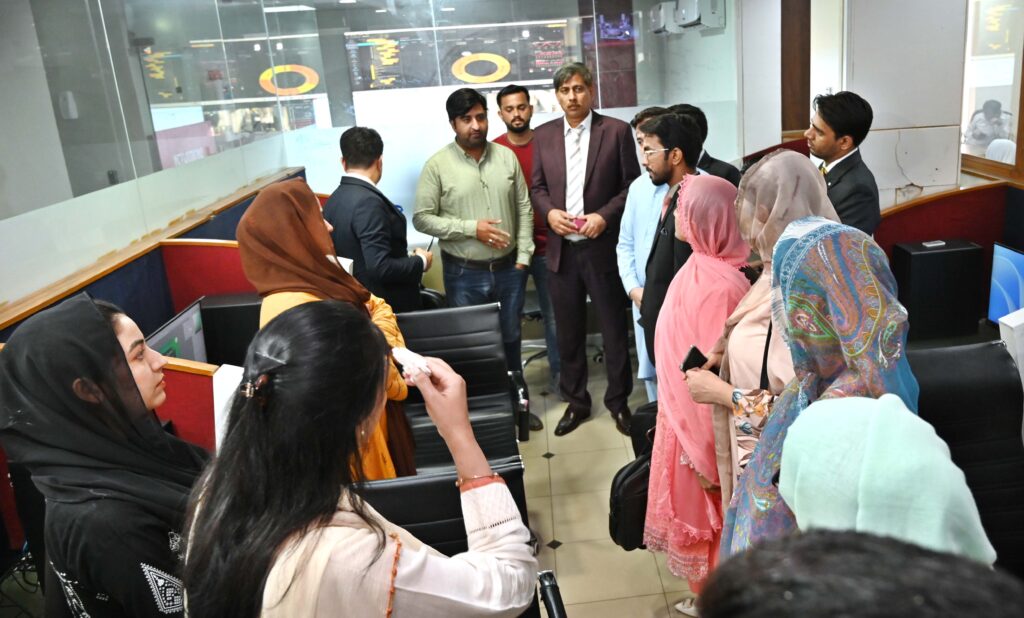
The probationers visited the Central News Desk, General Reporting, Foreign Desk, Economic Desk, Monitoring Section, Urdu Section, Video News service, Social Media section, Data Centre and Studios.

Director News APP Shumaila Andleeb, Director Urdu Abdul Jabbar Zekria, Director Video News Service Rab Nawaz Bajwa, Director Training Kashif Rizvi and Director Information Technology Adnan Bukhari briefed about the working of their respective sections.