Home Blog Page 9911

ICCI organizes seminar on mental health

0
Ahsan Zafar Bakhtawari

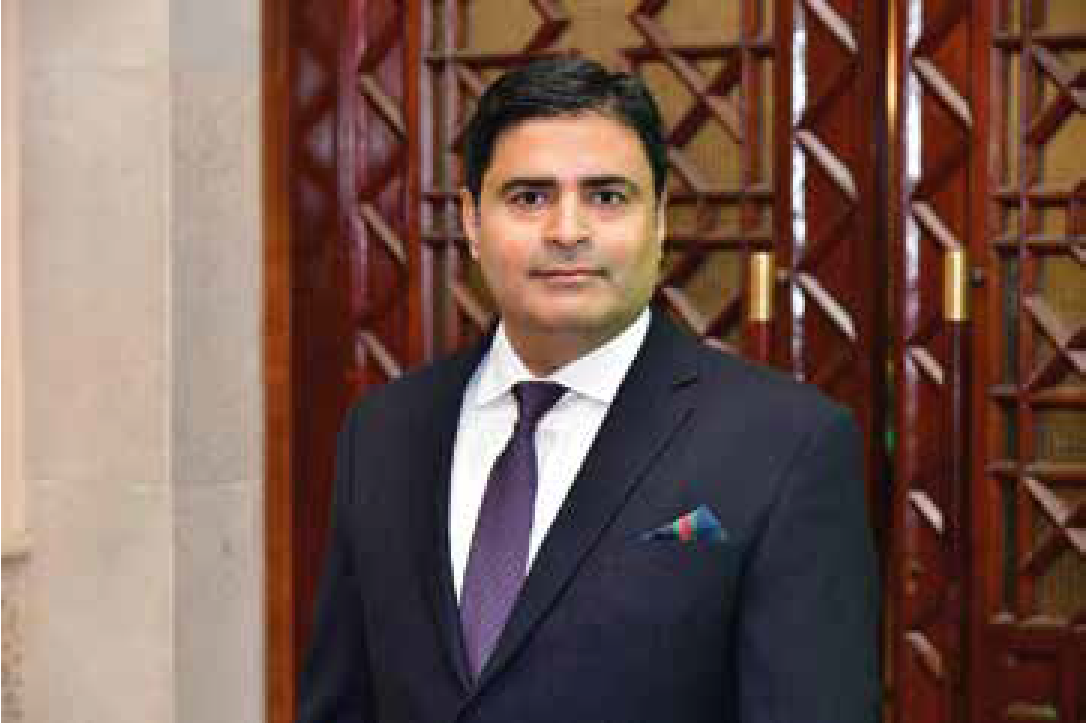
ISLAMABAD, May 8 (APP): President Islamabad Chamber of Commerce and Industry (ICCI) Ahsan Zafar Bakhtawari Wednesday urged the pressing need to provide essential information and vital resources to individuals navigating mental health issues.

Addressing a seminar on mental health care in times of financial constraints, he said that awareness sessions on such crucial issues always proved beneficial for the patients to help them come out of the stress and thereby lead a normal life.

The ICCI always remained in forefront to address such issues of the business community and the general public, he said adding that it was also committed to organize such sessions in future for the benefit of the general public and promote awareness about mental health.

Speaking on the occasion, Dr Uzaira Rafique Vice Chancellor of Fatima Jinnah Women University underscored the need for developing strong bounds with nature, families and social values to maintain mental health and reduce stress.

She apprised about the Mental Wellness Center established in Fatima Jinnah Women University and reaffirmed unwavering commitment to promote the well being of the entire community.

She also lauded the efforts of Zafar Bakhtawari and Ahsan Zafar Bakhtawari for promoting student linkages with the ICCI and initiating entrepreneur start ups for them.

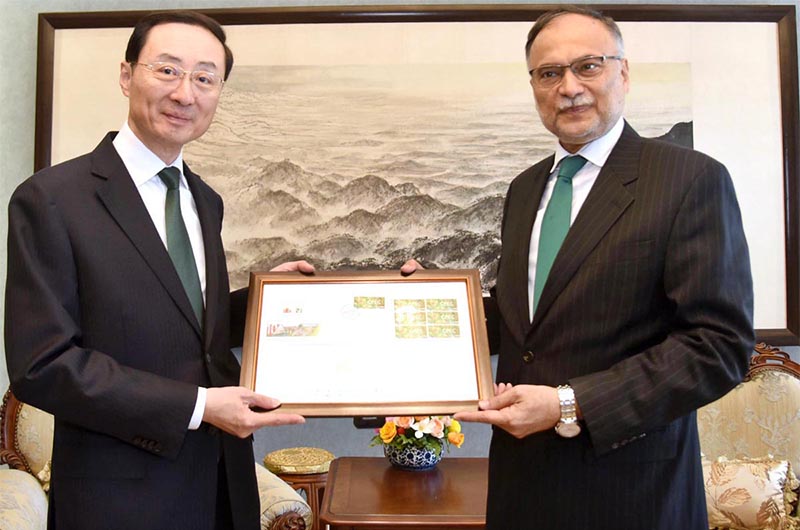
Federal Minister for Planning, Development and Special Initiative Prof. Ahsan Iqbal presenting commemorative coin and postage stamp which launched to celebrate the “Decade of CPEC” to Vice Foreign Minister of China H.E. Sun Weidong at Ministry of Foreign Affairs, Beijing.

0
APP28-080524 BEIJING: May 08 - Federal Minister for Planning, Development and Special Initiative Prof. Ahsan Iqbal presenting commemorative coin and postage stamp which launched to celebrate the "Decade of CPEC" to Vice Foreign Minister of China H.E. Sun Weidong at Ministry of Foreign Affairs, Beijing.
Federal Minister for Planning, Development and Special Initiative Prof. Ahsan Iqbal presenting commemorative coin and postage stamp which launched to celebrate the "Decade of CPEC" to Vice Foreign Minister of China H.E. Sun Weidong at Ministry of Foreign Affairs, Beijing.
APP28-080524
BEIJING: May 08 – Federal Minister for Planning, Development and Special Initiative Prof. Ahsan Iqbal presenting commemorative coin and postage stamp which launched to celebrate the "Decade of CPEC" to Vice Foreign Minister of China H.E. Sun Weidong at Ministry of Foreign Affairs, Beijing.

APP29-080524
BEIJING: May 08 – Federal Minister for Planning, Development and Special Initiative Prof. Ahsan Iqbal meeting with Vice Foreign Minister of China H.E. Sun Weidong at Ministry of Foreign Affairs, Beijing. APP/AMI/MAF/TZD

President Zardari concludes 3-day Quetta visit, returns to Islamabad

0

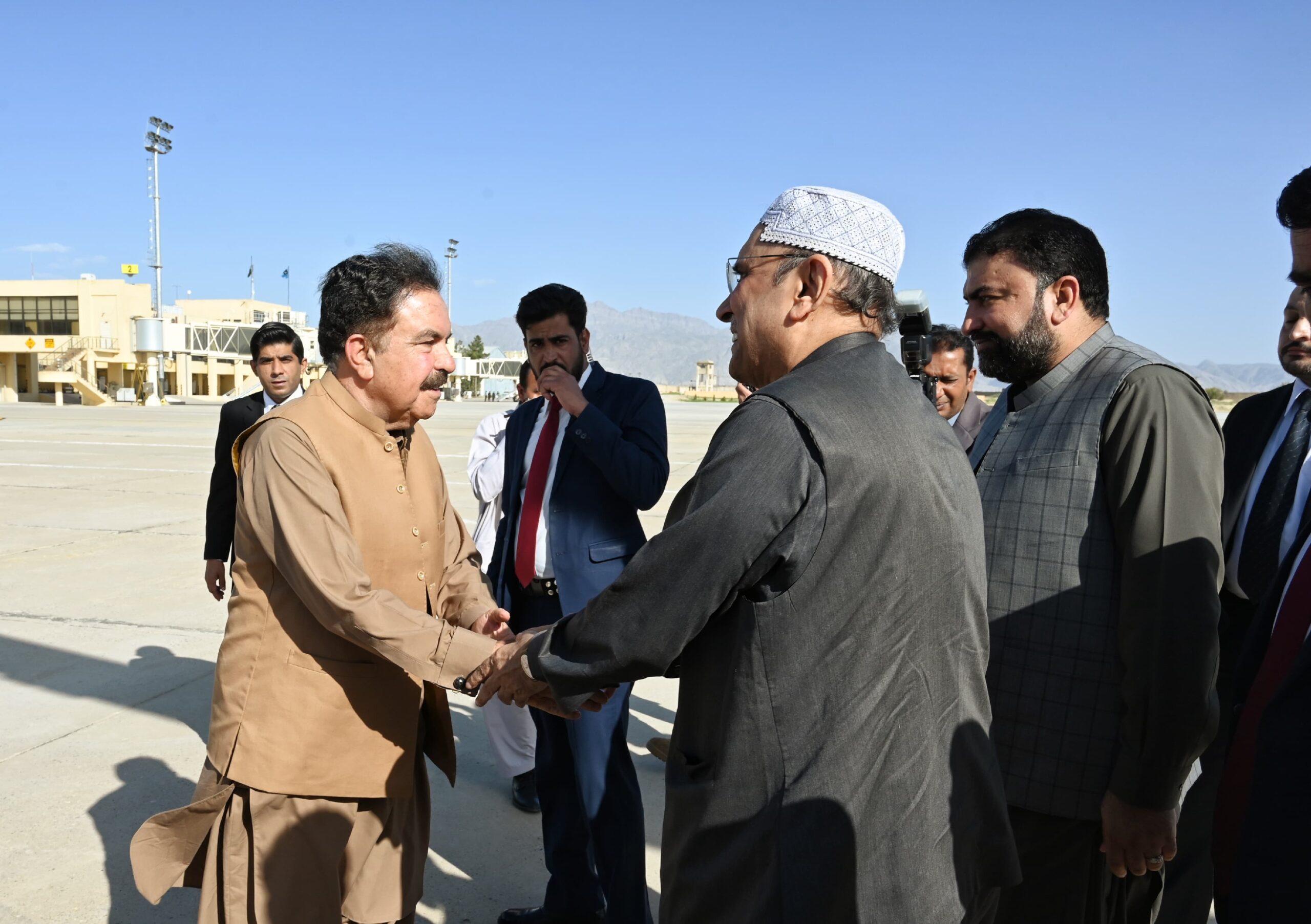
ISLAMABAD, May 8 (APP): President Asif Ali Zardari Wednesday concluded his three-day visit to Quetta, and returned to Islamabad.

The president was seen off by Governor Balochistan, Jaffar Khan Mandokhail, and Chief Minister Mir Safraz Ahmed Bugti.

During his visit, he was briefed on the law and order situation in Balochistan and the ongoing development projects in the province.

President Zardari reiterated his commitment to the development and prosperity of Balochistan and the resolution of public issues.

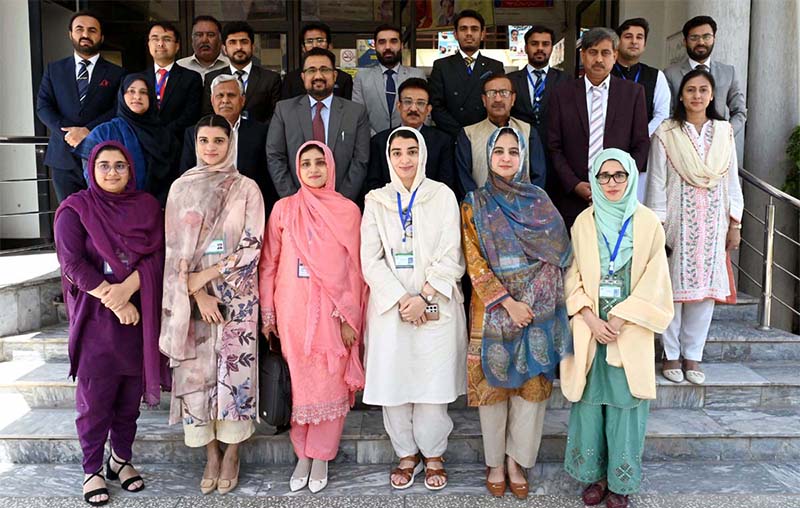
Managing Director APP Asim Khichi in a group photograph with visiting Executive Director General ISA Arshad Munir and probation officers of Information Group belonging to 41st Specialized Training Programme of Information Service Academy (ISA) at Associated Press of Pakistan (APP) Headquarters.

0
APP36-080524 ISLAMABAD: May 08 - Managing Director APP Asim Khichi in a group photograph with visiting Executive Director General ISA Arshad Munir and probation officers of Information Group belonging to 41st Specialized Training Programme of Information Service Academy (ISA) at Associated Press of Pakistan (APP) Headquarters.
Managing Director APP Asim Khichi in a group photograph with visiting Executive Director General ISA Arshad Munir and probation officers of Information Group belonging to 41st Specialized Training Programme of Information Service Academy (ISA) at Associated Press of Pakistan (APP) Headquarters.
APP36-080524
ISLAMABAD: May 08 – 

Pakistan, World Bank agree to New Partnership Framework for reforms, development

0

ISLAMABAD, May 8 (APP): Pakistan and the World Bank on Wednesday agreed to collaborate on a new, robust and ambitious Country Partnership Framework (CPF) to carry forward the country’s reform and development agenda.

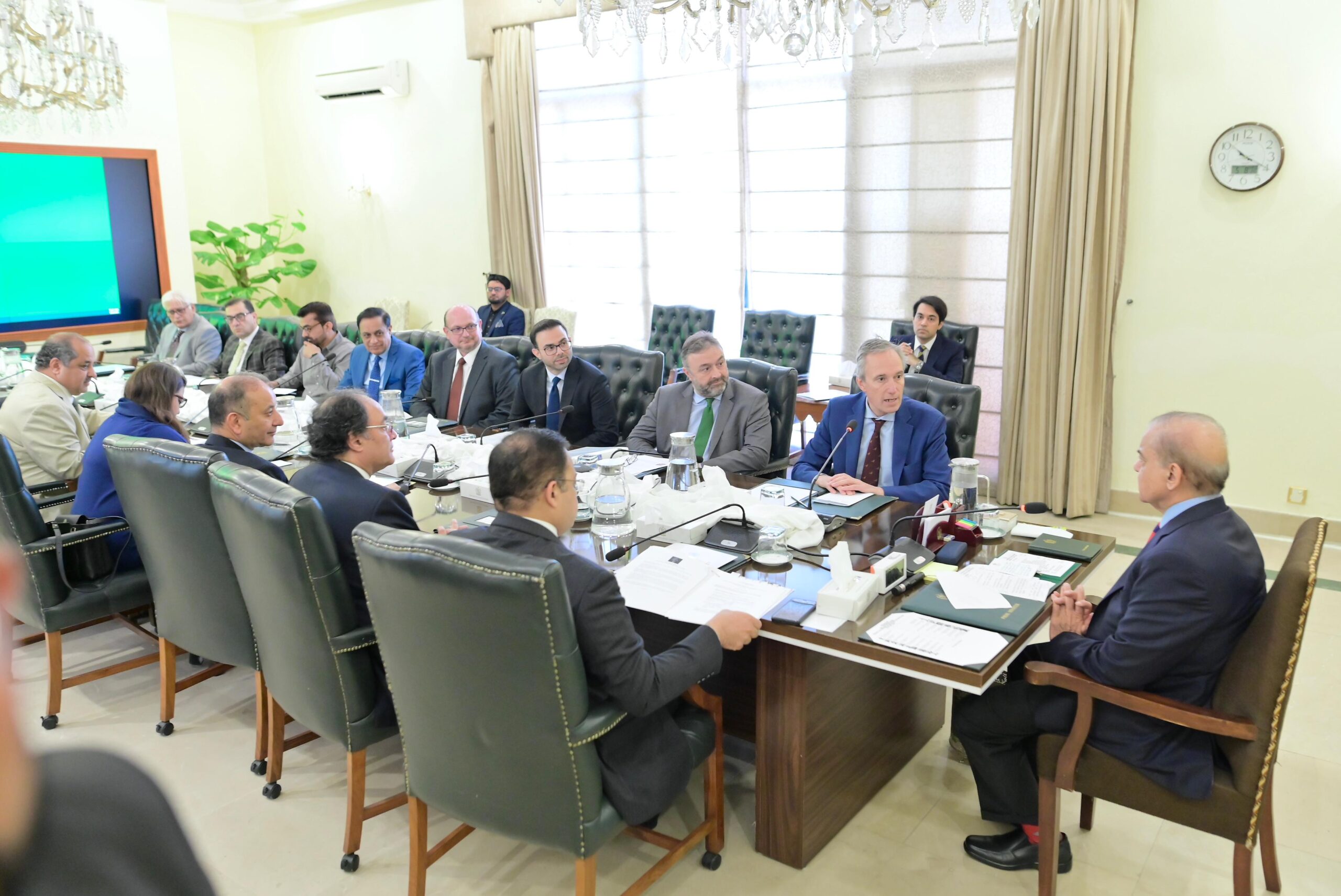
The agreement was reached during a meeting between Prime Minister Muhammad Shehbaz Sharif and a delegation led by Regional Vice President of the World Bank for South Asia Martin Raiser.

Welcoming Martin Raiser, Prime Minister Shehbaz lauded the contribution of the World Bank to the development of Pakistan.

The prime minister appreciated the support extended by the Bank for building the climate resilient infrastructure in the wake of 2022 floods in Pakistan. He briefed the delegation on the reform agenda of the government including digitization of the entire tax system, power sector reforms, enhancing per acre yield in the agriculture sector, addressing the issue of child stunting, etc.

Appreciating Pakistan’s aggressive reforms agenda, Martin Raiser said the World Bank was ready to collaborate with the country in its journey of transformation of the economy aimed at sustainable development.

Both sides agreed to engage in a long-term, focused partnership under a new Country Partnership Framework with an annual review mechanism to assess progress and ensure that results are achieved. The strategy will include flexibility for future course correction. The new partnership will have the ambition to achieve transformational impacts over a decade on a selective set of critical development priorities for Pakistan.

The initial set of priorities that were discussed in the meeting included structural economic reforms including domestic resource mobilization, particularly via digitalization and tax policy reforms.

Human capital development, specifically addressing child stunting and improving foundational learning was also discussed.

Likewise, the energy sector reforms, including increased participation of the private sector in transmission and distribution, and transition to green energy to make energy cheaper, cleaner and financially sustainable also came under discussion.

In order to better cope with the increased water scarcity and climate-related shocks, both sides emphasized collaboration in climate adaptation.

For increasing economic opportunities, including in the agriculture sector, Pakistan will benefit from the Bank’s expertise in mobilizing global expertise and best practices, institutional capacity building, leveraging digital transformation and private sector participation, including via the World Bank’s private sector arm, the International Finance Corporation and the Multilateral Investment Guarantee Agency.

The two sides agreed that the process for preparation of the new Country Partnership Framework will consist of consultations with the federal and provincial governments as well as academia, parliamentarians, civil society, development partners and the private sector.

The World Bank will coordinate with stakeholders to discuss the partnership priorities duly aligned with the key development priorities and strategy of the Government of Pakistan.

The prime minister witnessed the signing of a joint communique in this respect by the World Bank’s Country Representative Najy Benhassine and Secretary of Economic Affairs Division Dr. Kazim Niaz.

Economic Affairs Minister Ahad Khan Cheema, Finance Minister Muhammad Aurangzeb, Petroleum Minister Dr. Musadik Malik, Minister of State for IT Shaza Fatima Khawaja, Deputy Chairman of Planning Commission Dr. Jehanzeb Khan and senior government officials also attended the meeting.

SECP organizes workshop on Capital Markets Surveillance

0
SECP
ISLAMABAD, May 8 (APP):The Securities and Exchange Commission of Pakistan (SECP)  Wednesday organized a of workshop for Council Energy and Economic Journalists (CEEJ), focusing on oversight of trading activities at the Pakistan Stock Exchange.
The SECP team explained that the stock exchange played an important role in capital formation, financial inclusion and diversification of investments, said a press release issued here.
The participants were briefed on the trading, clearing, settlement and custodial functions of the Pakistan Stock Exchange, the National Clearing Company, and the Central Depository Company of Pakistan Limited, collectively referred to as Capital Market Infrastructure Institutions (CMIIs).
The presentation on digital online account opening process emphasized the convenience offered by the newly introduced Centralized Gateway Portal (CGP) for retail investors across all financial intermediaries including brokers, asset management companies and insurance companies.
The new process has simplified the process for opening accounts with multiple financial intermediaries by ensuring that most of the required documents and details are available in the CGP.
The presentation on market surveillance explained SECP’s mandate with respect to surveillance.
The participants were informed about different types of market abuse, such as insider trading, market manipulation and briefed about various tools for surveillance that have been deployed at SECP and PSX.
The participants agreed that regular communication between regulators and the media is a good practice that will lead to more effective regulation by the regulators and more responsible reporting by the media.

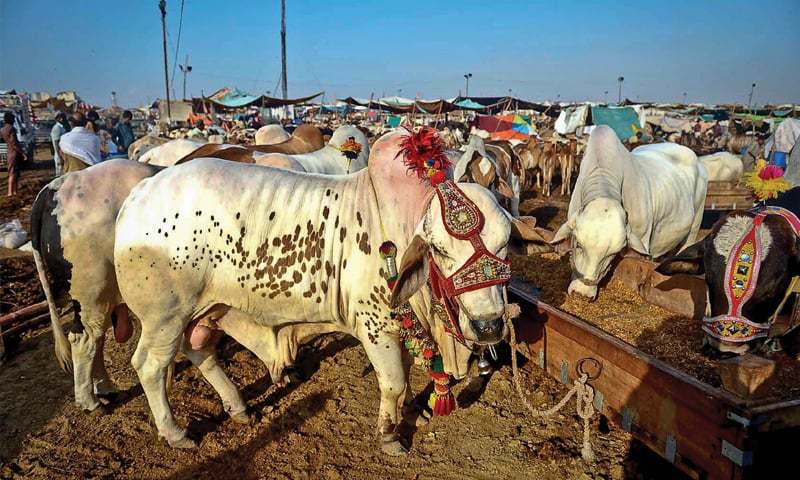
Six cattle markets for sacrificial animals on the cards

0
ISLAMABAD, May 8 (APP):Metropolitan Corporation Islamabad (MCI) will set up six cattle markets for sacrificial animals to facilitate the buyers ahead of Eid-ul-Azha.
“Three each cattle market will be set for big and small animals at various locations in the federal capital,” an official in the MCI told APP
About the sites for the cattle markets, he said the authority will establish cattle markets for big animals in Sangjani, I-15 and I-12 while for small animals Bhara Kahu, Lehtrar Road near Sultana Foundation and Zia Masjid along Expressway.
The official said that the sites for establishment of cattle markets of sacrificial animals for the period of 13 days with effect from 1st Zilhajj to 13th Zilhajj on the occasion.
He said the cattle markets will operate, allowing citizens to purchase sacrificial animals for religious occasion.
The MCI has set the fee for small animals at Rs. 250, while the fee for large animals will be Rs. 500.
To allocate the rights to set up and manage these cattle markets, a bidding process will be conducted on May 9 at the office of the Directorate of Municipal Administration (DMA), he added.
The official said the successful bidders will be granted permission to establish the cattle markets at the designated locations.

Google provides up to 45,000 scholarships

0

ISLAMABAD, May 08 (APP): Google has launched Google Artificial Intelligence (AI) Essentials, a new course to help more people unlock AI skills for the future, besides providing up to 45,000 scholarships for Google Career Certificates in 2024, and adding two new programmes to upskill freelancers and women.

The Google AI Essentials is a new self-paced, online course taught by AI experts at Google. This course requires no previous experience with AI, and is designed to help teach people across roles and industries get essential AI skills to boost productivity, and gain hands-on experience via a variety of AI tools, according to a news release.

With this course, people will learn how to use AI tools to brainstorm ideas and speed up daily work tasks. It will also learn how to write effective prompts and use AI responsibly by identifying AI’s potential biases. Google AI Essentials is available on Coursera in English.

In addition to Google AI Essentials, the Google Career Certificates (GCC) prepare learners for entry-level jobs in fast-growing fields, whether it is Data Analytics, Cybersecurity or Digital Marketing. New resources have been added to the certificates to help learners discover how professionals in their fields are using AI, while gaining hands-on experience applying AI to a workplace scenario.

From the first launch in 2022, 80% of GCC graduates in Pakistan reported the programme had helped them advance in their careers.

In addition, according to partner-led surveys (IRM/TechValley, 2023), 28% of women who graduated from the programme reported experiencing financial growth, 24% stated they obtained a new job or got promoted, and 91% felt more confident after completing the programme.

Pakistan is home to the third-largest freelancing economy in the world and it is critical to ensure that the country’s freelance talent remains competitive, especially in today’s rapidly evolving digital environment.

This year, Google, in partnership with the Pakistan Freelancers Association (PAFLA), has developed a programme that will help the freelance community in Pakistan address challenges around soft skills areas such as personal branding, and communication skills. Up to 50,000 PAFLA freelancers could benefit from the programme taught by Google experts.

To inspire and empower women to join and thrive in the workforce, Google, along with its long-term partner Tech Valley, has joined forces to design a Career Kamyabi programme which advocates for gender balance in the workforce and aims to create an inclusive and supportive work environment for women by offering equal employment and professional development opportunities.

The programme, which already has the support of 50+ of Pakistan’s leading employers, helps create economic opportunities for women by connecting them with potential employers.

Farhan Qureshi, Google’s Country Director for Pakistan, said, “With the Google Career Certificates initiative, we are hoping to continue to play an effective role in the digital landscape of Pakistan. Our scholarships and training programs are designed to not only help young Pakistanis explore the realms of the tech world but to also financially empower them. We are grateful to all our local partners who have joined hands with us and have worked diligently to ensure that the Pakistani youth have more opportunities to reach their full potential.”

“Google is committed to building a Future Forward Pakistan with initiatives like the GCC and will continue to invest in providing young talent with the digital skills needed to grow and succeed.”

The third phase of the Google Career Certificates program aims to establish a strong presence in Pakistan and strengthen the culture of learning, empowerment, and inclusivity among all.

Fertilizer companies not to be allowed to take undue profit: Rana Tanveer

0

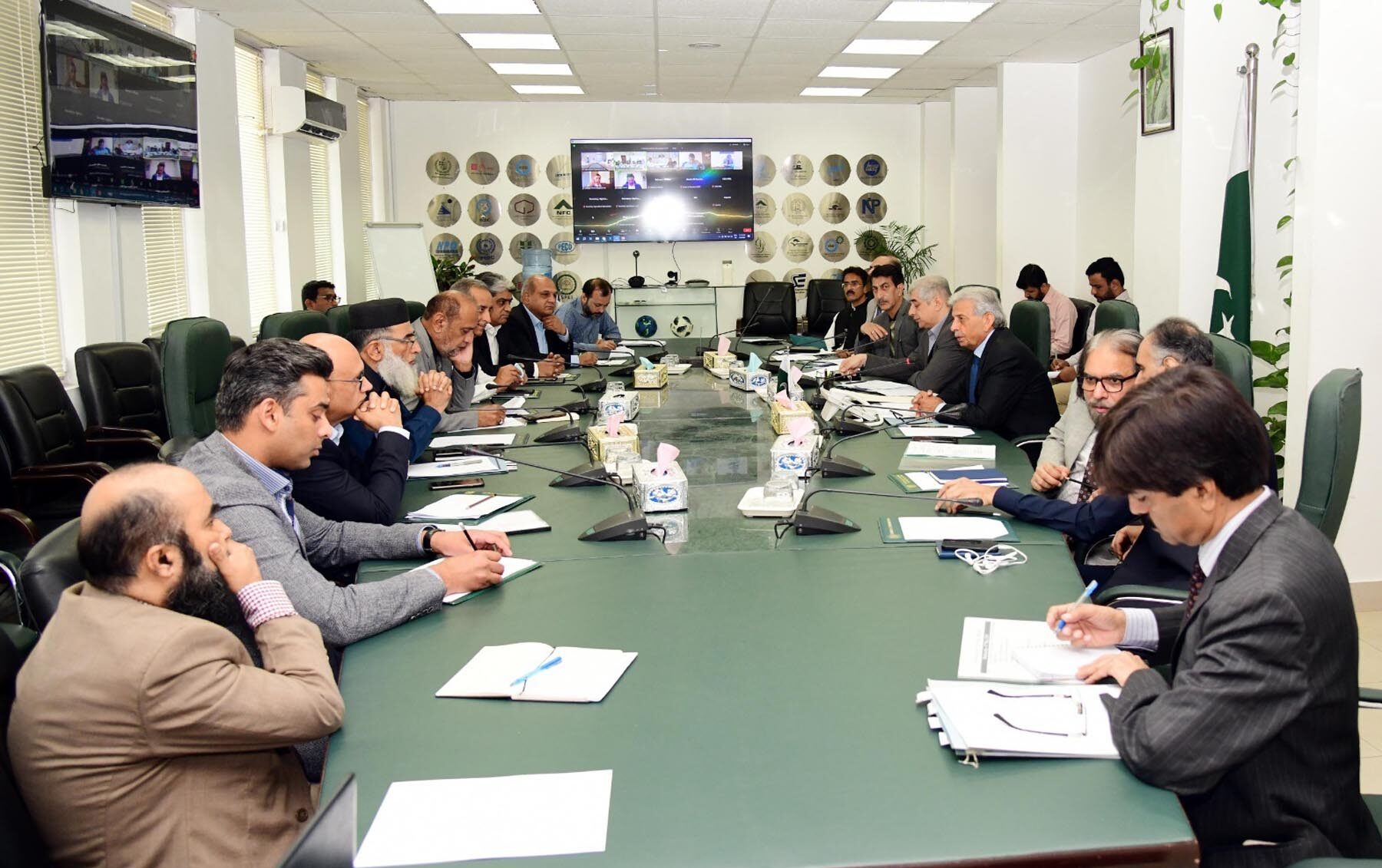
ISLAMABAD, May 8 (APP): Federal Minister for Industries & Production Rana Tanveer Hussain on Wednesday said that fertilizer companies must not be allowed to take undue profit.

Steps should be taken to ensure uniform price of the urea fertilizer across the country for the convenience of farmers, he directed while chairing a meeting of the Fertilizer Review Committee.

Besides the Federal Secretary of Industries and Production and agriculture secretaries of the four provinces, the meeting was attended by the representatives of Fauji Fertilizer Company Limited, Engro, Fatima Fertilizer Company and Kisan Ittehad, a news release said.

The minister regretted that the fertilizer companies had raised the prices of urea without realizing the plight of farmers.

He asked the companies to roll back the recently increased urea prices on their own, or otherwise the government would fix the same.

All the fertilizer companies and dealers would have charge same price of the urea, he reaffirmed, adding the government had decided to get conducted third party audit to determine their cost of production and profit margin.

The minister said the government was committed to ensure uninterrupted supply of gas to the fertilizer industry.

Collaborations, all-inclusive policy interventions pertinent to reliable energy access in Pakistan: Experts

0

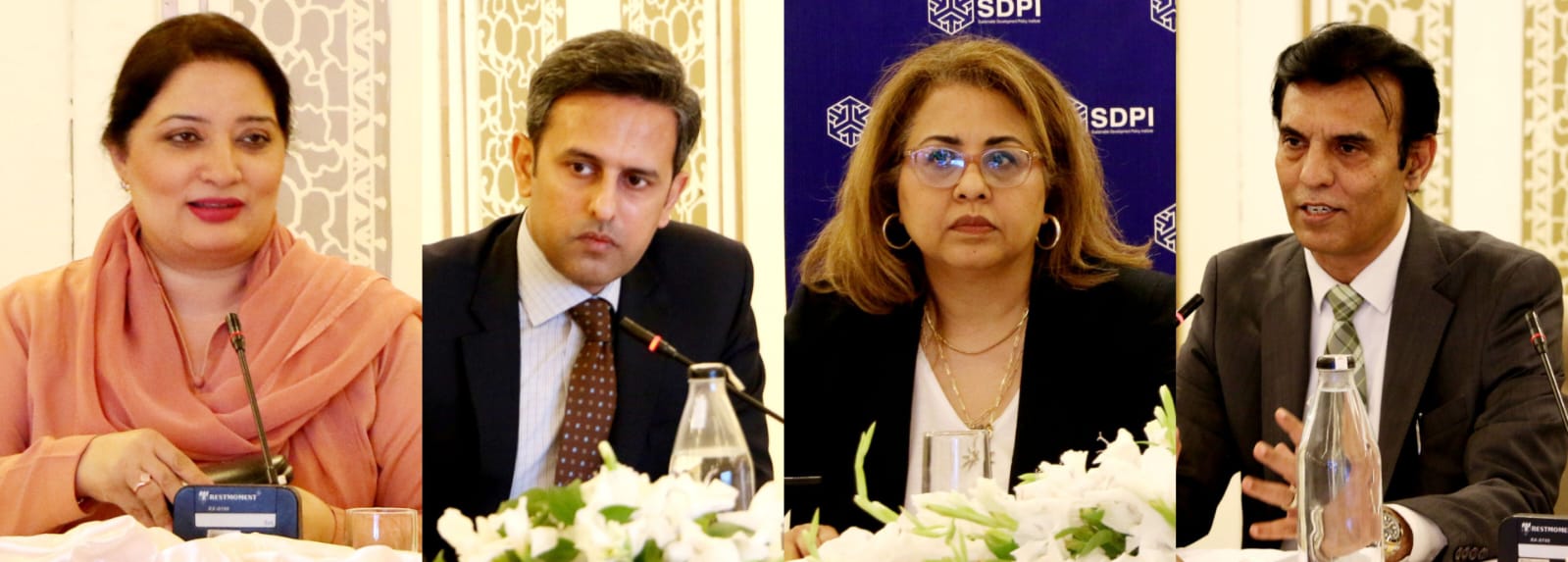
ISLAMABAD, May 08 (APP): The experts at the stakeholder dialogue on energy transition in textile sector underscored the need to establish multi-sectoral collaborations and all-inclusive interventions to ensure just energy transition in Pakistan.

Pakistan-German Climate and Energy Partnership (PGCEP) and Sustainable Development Policy Institute (SDPI) jointly organized the symposium on Energy Transition in the Textile Sector: The way Forward through Electricity Market Reforms and Green Financing.

Addressing the symposium, Romina Khurshid Alam, Coordinator to Prime Minister on Climate Change said that there is a broader consensus on the subject matter and issues related to the textile industry, whereas market reforms and green financing mechanisms are underway along with detailed interactions and consultations of relevant sectors in the pipeline.

She added that Pakistan’s textile and other industries would face challenges due to upcoming Carbon Border Adjustment Mechanism (CBAM) and that’s why the government is actively engaging with relevant stakeholders to facilitate the process and combat with its looming risks.

“Pakistan has great potential in carbon markets whereas national level policies and frameworks are almost there. Moreover, Prime Minister’s Committee on Climate Change is focused on enhancing dialogue on war footing to shift towards green energy, green financing and climate resilient development,” she said.

She noted that collaborations and consultations with relevant partners are the most important part of the process, whereas sensitization of small and medium enterprises and associated industries linked to exports needed to be apprised on the CBAM. She mentioned that the Ministry of Climate Change and Environmental Coordination’s role is crucial in this regard and it is engaging with other ministries relevant to this subject including Ministries of Economic Affairs, Commerce, Power, Planning, Development & Special Initiatives.

Dr Abid Qaiyum Suleri, Executive Director SDPI said that the country was at crossroads as at one hand it has to improve its competitiveness and economic growth and on the other hand the economic crunch, increased interest rate and impending risks due to CBAM.

He informed that the government is mindful of all these crises, whereas the Prime Minister had constituted committees on climate governance and finance review along with a high-powered committee co-chaired by Deputy Chairman Planning Commission and PM’s Coordinator on Climate Change. Dr Suleri said that the industries would have to come up with renewable energy sources otherwise it would have to pay carbon tax levied in EU if not done in Pakistan.

“The profitability and competitiveness need to be promoted to achieve green energy transition. However, the country needs to converge all its sectors on one point and provide level playing field for its industries to choose clean and green energy and invest in just energy transition,” he said.

In her opening remarks, Sobiah Becker, Advisor, Pakistan-German Climate & Energy Partnership (PGCEP) highlighted the need for candid discourse for way forward and solutions to the challenges faced by the Textile Sector of Pakistan. The She highlighted the development support provided by German Development Cooperation through Pakistan-German Climate and Energy Partnership that was launched in 2021 with an aim to help Pakistan achieve its climate related targets and commitments Stakeholder engagement is one of the key pillars of this partnership whereas a whole of a society approach is needed to address the climate change related challenges in Pakistan, she added.

Helene Paust, Deputy Head of Development Cooperation, German Embassy in Pakistan said that the energy sector is continuously shifting to sustainable modes. “Pakistan textile industry as a main export driver stands at the forefront of its paradigm shift in energy transition. The companies are incorporating solar-based solutions in their energy mix in Pakistan and around the world due to its resilience and reliability,” she said.

She said that the just energy transition was based on two crucial pillars of electricity market reforms and green financing streams, whereas the role of the latter was crucial in stimulating green energy transition.
“Germany is committed to support Pakistan in its efforts towards just energy transition which is important as economic prosperity must converge with environmental sustainability. We stand shoulder to shoulder with Pakistan in its progress towards this transition” she said.

Yulia Bazhenova, Project Lead, Textiles extended her gratitude for the governments of Germany and Pakistan for providing support to develop synergies for dialogue among the public and private sector of Pakistan.
She said that it was important to know about regulations and demands in the realm of energy supply, emissions reduction and sustainability. However, value chain demand is growing for sustainable power and carbon free products that requires time and capital to shift towards green and just energy.

Zainab Naeem, Associate Research Fellow, SDPI moderated the first panel on energy transition in textile sector opportunities and challenges.

Sheikh Muhammad Iqbal, CEO Pakistan Textile Council briefed on the textile industry structure and value chain. He said that Pakistan’s textile industry is committed for just energy transition because its customers demand carbon free or ecofriendly products. However, there has been no policy on climate finance and energy transition amid absence of any baseline data at the national level.

Shahid Sattar, Secretary General, All Pakistan Textile Manufacturing Association (APTMA) said that until the power distribution companies (DISCOs) and government had a strong hold of the energy sector, the room for improvement is very low whereas under the Competitive Trading Bilateral Contracts Market (CTBCM), the energy tariff offered was not competitive with the regional players.

Aqeel Hussain Jaafri, Private Power and Infrastructure Board (PPIB), Ministry of Energy said that energy is the main component that brings competitiveness in the export products. However, solar energy provides an opportunity to reduce cost of electricity and production for industry, which is part of the solution, he said and added that the voluntary carbon markets in the country are gaining momentum that can provide the industry to explore new opportunities.

Engr. Ubaid ur Rehman Zia, Head of Energy Unit at SDPI moderated the second panel on energy transition in textile sector opportunities and challenges. Ubaid highlighted that market liberalization under the Competitive Trading Bilateral Contracts Market (CTBCM) is essential to ensure availability of affordable and clean energy to the consumers.

Afia Malik, Senior Economist, Pakistan Institute of Development Economics (PIDE) said that the hurdle to competitive market is inefficiency in supply chain of distribution sectors which was further aggravated by tariff design of electricity in Pakistan, issue of cross-subsidies, and the already installed surplus capacity.

“A competitive market is the way forward but we need to decide between the free and regulated market, as free market is fair and competitive,” she added.

The third session discussed mobilizing finance for Energy Transition: Opportunities and Challenges. Dr. Khalid Waleed Research Fellow at SDPI mentioned that the energy transition needs a carrot approach where analyzing the alternate economic engines is of paramount importance.