ISLAMABAD: August 07 –
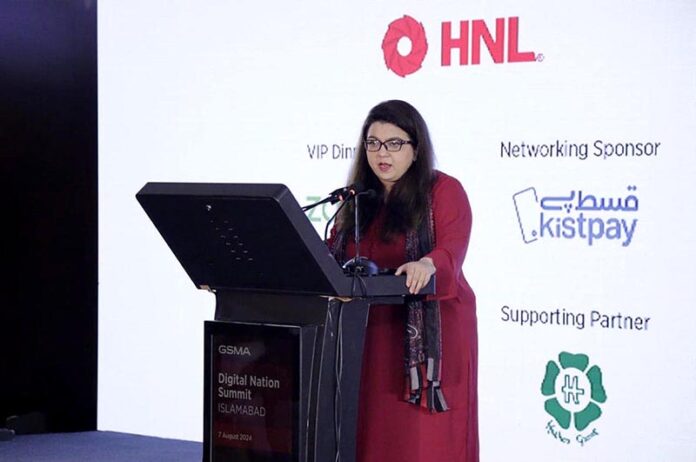
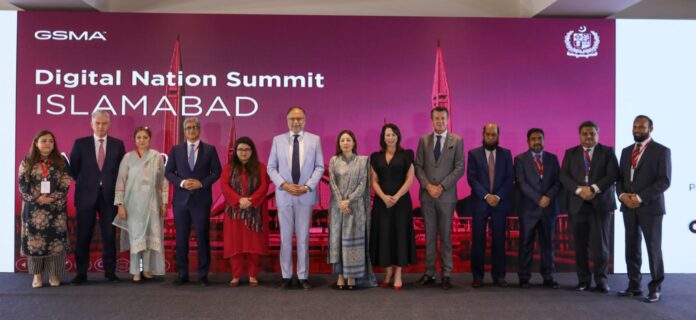
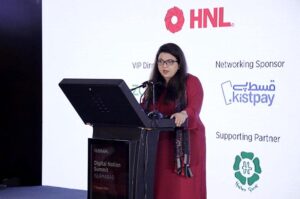
ISLAMABAD, Aug 07 (APP): Pakistan is poised to unlock its economic potential through accelerated digital transformation, according to a new report, “Realising Pakistan’s Aspiration to become a Digital Nation,” launched by the GSMA at its Digital Nation Summit.
The report underscores the country’s significant strides in mobile connectivity and smartphone adoption while outlining a clear path to maximise these gains for the benefit of its citizens. However, achieving these aspirations will require concrete action and reforms.
The GSMA’s supporting report revealed a substantial increase in mobile broadband coverage in Pakistan, with 81% of the adult population now in areas covered by 3G or 4G networks, up from just 15% in 2010.
Additionally, smartphone ownership reached 63% by the end of 2023. However, only 23% of the population subscribes to mobile internet services, underlining the scale of the challenge to connect the unconnected.
The report reveals the blueprint to address these challenges: infrastructure, innovation, data governance, security, and people. These five pillars are the foundation for a thriving digital nation. The report emphasises the importance of financial reforms and strategic initiatives. Recommendations include eliminating the 15% Advance Income Tax and the 19.5% sales tax on mobile services, addressing high spectrum prices, and introducing a smartphone financing policy to improve access to affordable devices. Additionally, the GSMA advocates for a rational approach to spectrum pricing ahead of the planned 5G spectrum auction in early 2025.
Julian Gorman, Head of APAC at the GSMA, said: “Pakistan has the potential to realise its aspiration to become a Digital Nation. First it must scale its connected population to strengthen its basic digital economy enabler. Then by adopting a whole-of-government approach and investing in the five key pillars of infrastructure, innovation, data governance, security, and people, Pakistan can unlock its full digital potential, improve the lives of its citizens, and drive sustainable economic growth. The GSMA is committed to supporting the country’s digital journey and working in partnership to build a connected, inclusive, and prosperous future.”
However, achieving these goals requires addressing significant regulatory and fiscal challenges. While market reforms are hoped for, without changes to the regulatory framework and a reduction in tax, progress will be limited, and the substantial usage gap will remain difficult to bridge.
Adding to the momentum, the upcoming edition of M360 Asia Pacific in Seoul this October will see the release of the first pan-Asia Pacific Digital Nation Report, which will compare the digital progress of 20 nations across the Asia Pacific region. This event follows the recently published Mobile Economy APAC 2024 Report, which highlights key trends and insights shaping the mobile industry in the Asia Pacific region. The report provides valuable data and analysis on the growth trajectory and economic impact of mobile technology, reinforcing the strategic importance of digital advancement in Pakistan and beyond.
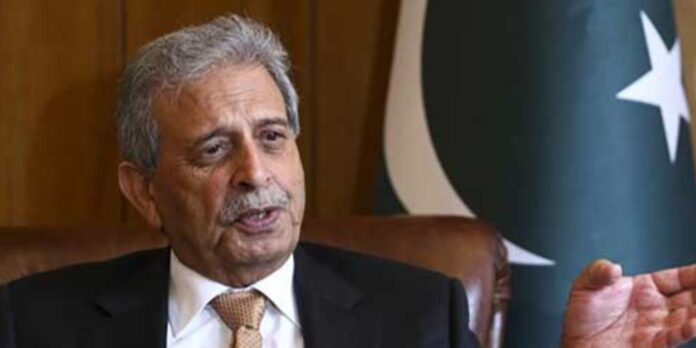
ISLAMABAD, Aug 7 (APP):Minister for National Food Security and Research, Rana Tanveer Hussain, on Wednesday urged agriculture scientists and policymakers to actively contribute to the improvement of the local agriculture sector to ensure food safety and security in the country.
Speaking at the inauguration of the seed potato complex and the International Symposium on Seed Potato Production and Supply Chain, the minister highlighted that despite Pakistan’s agricultural economy, the country continues to import food items.
The event was organized by the Pakistan Agricultural Research Council (PARC) in collaboration with the Korean Program on International Agriculture (KOPIA). Its goal is to produce virus-free seed potatoes to enhance local crop yields and generate an exportable surplus.
The ceremony was attended by the Ambassador of the Republic of Korea, senior officials from PARC, NARC, KOPIA, as well as representatives from national and international organizations, development partners, agricultural scientists, experts, private sector organizations, NGOs, and progressive farmers from across the country.
During his address, the minister emphasized the importance of fostering public-private partnerships to advance agricultural research and ensure its effective dissemination to farmers. This, he stated, is crucial for increasing per-acre yields of all major and minor crops to meet domestic needs.
The minister noted that potatoes are a significant cash crop in the country and the third-largest food crop, cultivated over 837,669 acres in various seasons and regions.
He explained that the establishment of an aeroponic greenhouse would enhance the quality of seed potatoes, support modern research, and ensure a steady supply of quality seeds to local farmers. Additionally, it would create and boost employment opportunities.
Rana Tanveer Hussain also mentioned that domestic production of potato seeds would help save foreign exchange and provide seeds at affordable prices to local farmers.
He emphasized that the government is committed to developing the agriculture sector and has initiated several projects to support its growth.
He highlighted that both nations are collaborating on agricultural technology transfer projects, which will bolster local agricultural output and sector development. The minister concluded by noting that KOPIA’s assistance would aid Pakistan in addressing food safety and security challenges and achieving sustainable agricultural development

ISLAMABAD, Aug 07 (APP): The Benazir Income Support Programme (BISP) and the Ministry of Overseas Pakistanis and Human Resource Development have agreed to collaborate on initiating steps to provide quality skill training to BISP beneficiaries.
This initiative aims to empower beneficiaries and their families by equipping them with internationally recognized certifications and enhancing their employment prospects both locally and abroad.
In a meeting held today at the office of Federal Minister for Overseas Pakistanis and Human Resource Development, Chaudhry Salik Hussain, Chairperson of BISP, Senator Rubina Khalid emphasized the need for high-quality training programs.
She highlighted the focus on fields such as home care, hospitality, and receptionist roles, with a strong emphasis on basic work ethics.
“Providing quality training to BISP beneficiaries and their family members is crucial. We are focusing on areas with high demand and potential for international employment. Obtaining international certifications will open doors for our trainees, enabling them to secure jobs abroad and contribute to the country’s economy,” stated Senator Rubina Khalid.
Chaudhry Salik Hussain expressed his support for the initiative, noting its potential to benefit entire families of beneficiaries.
He stressed the importance of creating job opportunities for the underprivileged and suggested collaborations with countries like Japan and Germany to ensure the highest standards of training.
“This initiative is not just about training individuals; it’s about uplifting whole families by providing them with the skills needed to secure better jobs. Partnering with internationally recognized training institutes will help us achieve this goal,” Chaudhry Salik Hussain said.
Both leaders agreed on the importance of their teams working closely together to develop a comprehensive program module.
They will focus on demand-driven courses and technical support to ensure the quality of skilled manpower.






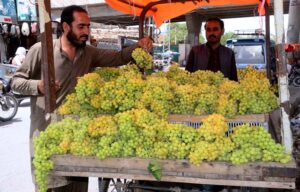
APP25-070824
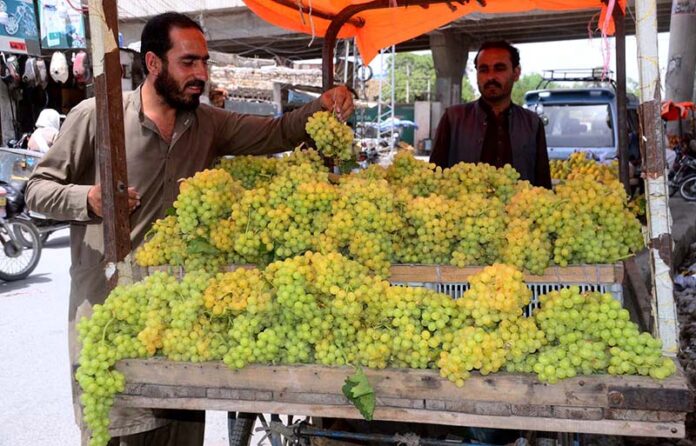
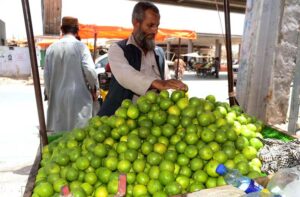
QUETTA: August 07 – A vendor displaying and selling Persian lime (Meetha) to attract the customers at roadside in the city. A

Serving the nation since 1947 by providing an accurate, objective, uninterrupted flow of news to the people, the national news service is pursuing a comprehensive strategy to transform the existing news operations into a forward-looking service – APP Digital for its diverse subscriber-base and the public.
Contact us: news@app.com.pk
Copyright © Associated Press of Pakistan