Home Blog Page 8494

Another 16 arrested over overpricing

0
LAHORE, Aug 06 (APP):The district administration of Lahore has intensified its crackdown against overpricing and arrested 16 individuals with heavy fines imposed here in the city on Tuesday.
According to a spokesman for the Deputy Commissioner office, a total of 2,596 locations were inspected, and 38 violations were witnessed while fines amounting to Rs. 1.1 million were imposed for 211 violations.
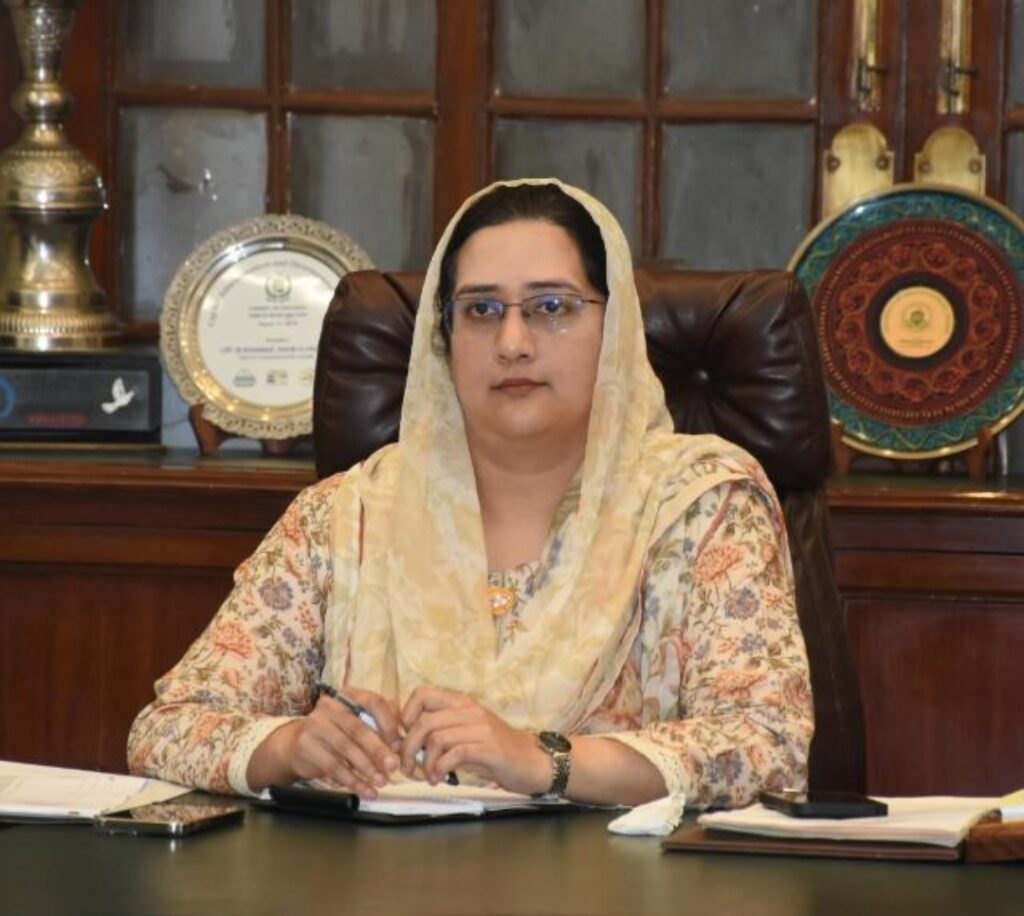
On the instructions of DC Lahore Rafia Haider, assistant commissioners conducted surprise field visits.
Deputy Commissioner Lahore Rafia Haider stated that a comprehensive strategy is being implemented to control overpricing, with administrative officers working diligently to ensure the sale of essential items at government rates. There is no compromise on overpricing, and heavy fines are being imposed on shopkeepers who repeatedly violate the rules, she added.

Political ownership, economic integration amid rule of law in merged districts critical to stem TTP resurgence

0
By Ali Jabir
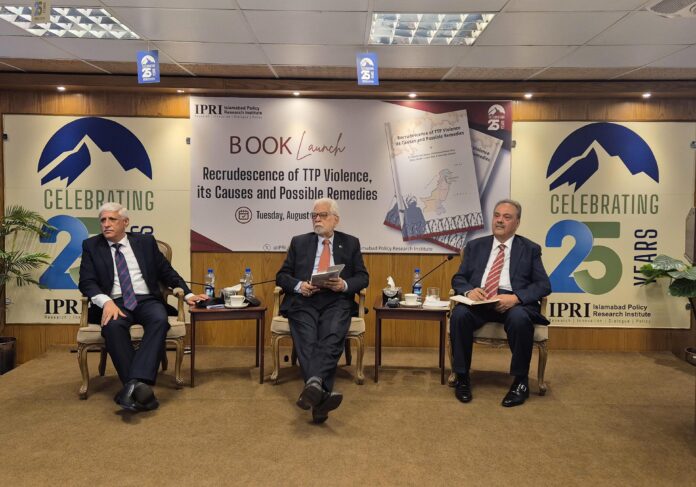
ISLAMABAD, Aug 06 (APP):The experts at the book launch event of Islamabad Policy Research Institute (IPRI) on Tuesday underscored the need to ensure political ownership and economic integration amid rule of law in the newly merged tribal districts of ex-FATA to stem Tehreek-e-Taliban Pakistan (TTP) resurgence.
The IPRI hosted the book launch of “Recrudescence of TTP Violence – Its causes and possible remedies” which is the first of its kind research-based publication that probed the phenomenon of TTP and its recurrence in the tribal districts through ground-based surveys and interviews of local stakeholders hailing from different walks of life which were co-authored by IPRI Research Team under the leadership of Director, Research, IPRI, Dr Raashid Walid Janjua.
In his opening remarks, President IPRI, Ambassador, Dr Raza Muhammad said Pakistan is facing continued violence and terrorism due to its partnership in the war on terror. This book started eight months back peer headed by Dr Raashid Walid Janjua involved interviews and surveys on the ground for quality evidence through stakeholder and community engagement, he added.
Speaking on the occasion, Director Research, IPRI, Dr Raashid Walid Janjua explained that recrudescence meant the thing that was coming up again and again but this rise of TTP bedevilled Pakistan. The armed forces, he said conducted many military operations from Al Meezan to Zarb-e-Azb that helped recoup 1,600 km area and kill 3,500 hardcore terrorists.
The motivation behind the book was the fact that the terrorists’ attacks had reduced from 1,214 in 2023 to 201 so far, he said. The book has six chapters that explore different facets of the crisis as post 2021 a great change in the social environment of ex-FATA areas was witnessed, he added.
Dr Raashid noted that the book was less academic and more field-oriented easy to comprehend for everyone. The methodology was based on interviews, field surveys and focused group discussion with all stakeholders including the local populace, youth, KP civil administration, Police, Peshawar Corps and Frontier Corps (FC).
The book, he said had identified three main causes of TTP resurgence mainly the vacuum created in the absence of administration, police and judiciary. However, these tribal territories were being managed under the FCR laws, traditions, Masharans or Malaks (tribal leaders), shariah law and Muftians (religious scholars), he added.
He noted that practically constitutional merger had taken place but financially it did not happen, whereas lack of long-term vision and consistent policies about security integration and development of merged districts, lack of livelihoods, infrastructure development and economic integration of merged districts with other parts of the country paved the way for TTP filling in the vacuum in merged districts.
He mentioned that some 86 coalmines in Darra Adam Khel had brought a decline in illicit arms sales which was the mainstay of that community to only a 10% share of the total income of that area that helped extend complete livelihood opportunities to the local populace and curbed any possibility of terrorism resurgence.
“The altered environment of Afghanistan and proxy warfare along with ecosystem of crime and illegal activities provided a breeding ground for TTP that was splintered but it is essential to contain it,” he said.
Dr Janjua mentioned that the field survey helped gauge the perception of the local population, where over half of the respondents claimed that no substantial reforms were made in the newly merged districts and a large percentage expressed dissatisfaction over police and local judiciary, and the development progress.
In conclusion, he said the book recommended a whole national approach starting from political ownership, policy consistency, and public support to win the trust of the local masses against the terrorism resurgence.
Pakistan should keep engaging with the Afghan Interim Government to convince them to deny sanctuaries to TTP and ensure the proactive role of civil government in strengthening institutions and proper budgetary allocations for the development of the newly merged districts, he added.
Special Representative for Afghanistan, Ambassador Asif Durrani in his special remarks said that dealing with tribal belt technically involved Afghanistan as post 1979 Afghan War three generations of Afghanistan had been raised facing conflict, where Pakistan lost its key human capital.
“The TTP amid resurgence got recruits by two conditions placed before tribal masses that either they pay money for their operations or give two mujahideen. However, the families were compelled to surrender two recruits. TTP is recurring either the correct remedy was not applied on time or properly administered but the rule of law is the core to all remedies to social issues,” he added.
Ambassador Durrani mentioned that the government of Pakistan negotiated with TTP on three conditions to surrender, accept the Constitution and appear before the court of law for heinous crimes which they all rejected.
The study in the book revealed breaches of the rule of law in different instances and indicated the key areas where it could be applied for desired results, he added.
The book launch was followed by an active question hour session participated by media, researchers and members from different walks of life.

LCCI urges govt to promptly address taxpayers’ issues

0
LAHORE, Aug 06 (APP):The Lahore Chamber of Commerce and Industry (LCCI) has expressed deep concerns regarding the steep charges imposed for electronic compliance as stipulated under SRO 428(I)/2024.
According to the LCCI spokesman here Tuesday told media here Tuesday that in a letter to Prime Minister Shehbaz Sharif, LCCI President Kashif Anwar said that these charges would be placing more burden on the business community.
The LCCI President said that the business community in Pakistan is facing severe economic challenges including inflation, rupee devaluation, high energy costs and high interest rate.
Kashif Anwar conveyed deep concerns regarding the exorbitant charges quoted by the sole license holder for integrating electronic invoicing systems with the Federal Board of Revenue (FBR) as mandated by SRO 428(I)/2024 dated March 22, 2024.
He said that the business community has already been adversely affected by recent amendments to the Finance Act 2024, as well as certain SROs including SRO 350(I)/2024 and SRO 1842(I)/2023.
He said that in the context, the one-time setup fee of Rs 1,500,000 and annual maintenance charges of Rs 3,500,000 or Rs 60 per invoice (whichever is higher) are prohibitively high for commercial businesses. .
He said that such costs threaten the viability of many businesses and could lead to their closure. “Considering the resources and grants allocated for automation, we strongly believe that the cost of installation and maintenance for the online integration of businesses should be minimal to avoid undue financial stress on taxpayers and to enhance documentation,” the LCCI President added.
Kashif Anwar said that challenges being faced by the business community require thoughtful strategies and policies to support business sector and economic growth.
He urged the Prime Minister to intervene promptly to address these issues and ensure that a fair and sustainable solution is implemented.
The LCCI President reaffirmed his support for government efforts to promote documentation and expand the tax base, expressing confidence that under the Prime Minister’s visionary leadership, the Pakistani economy will see a significant turnaround.

Free legal aid provided to needy prisoners across Punjab

0
LAHORE, Aug 06 (APP):On the instructions on Chief Minister Punjab, the Home Department has taken a wonderful initiative and free legal aid has been provided to needy prisoners across Punjab.
According to a spokesman for the Home Department, now no prisoner in Punjab will be deprived of the facility of a lawyer due to lack of resources. The spokesperson confirmed that Free Legal Aid Committees have been established in all 43 jails of Punjab. The committees have been formed in collaboration with the Punjab Bar Council and District Bar Associations. Poor prisoners, who cannot afford a lawyer to pursue their cases, will receive free legal aid through the committees. Deserving prisoners will have to apply to their respective superintendent of jails who will be coordinating with the lawyer concerned for legal assistance.
The spokesperson said that a total of 447 lawyers have been included in the Free Legal Aid Committees across Punjab. Forty-five lawyers in Lahore Division, 90 in Gujranwala Division and 70 lawyers in Rawalpindi Division have been included in the Free Legal Aid Committees. Similarly, 47 lawyers in Faisalabad division, 45 in Multan division and 24 lawyers in Sargodha division are included in the committees. 55 lawyers in Bahawalpur division, 55 in Sahiwal division and 16 lawyers in DG Khan have been included in the committees.

Punjab govt appoints representatives for public hospitals

0
MUZAFFARGARH, Aug 06 (APP):In order to improve the capacity building of public hospitals, Punjab Chief Minister Maryam Nawaz has designated representatives for local public hospitals to improve patients’ treatment both indoors and outdoor.
Like elsewhere in the province, Member Provincial Assembly (MPA) Ajmal Khan Chandia is designated to monitor the health affairs of District Headquarters Hospital Muzaffargarh, said the official source.
Similarly, MPA Rana Abdul Manan Sajid is appointed to monitor the administration of Tehsil Headquarters Hospital Jatoi.
MPA Syed Sebatin Raza Bukhari is deputed to hold a check of health treatment at Tehsil Headquarters Hospital Alipur.
Former provincial minister, Malik Ahmed Yar Hanjra would monitor the affairs of Tehsil Headquarters Hospital Kot Addu.
Amjad Parvez Chandia is nominated to monitor Tehsil Headquarters Hospital Chowk Sarwar Shaheed.
Notification about the authority to monitor the hospitals was issued.

LDA’s Rs96.16 billion budget approved

0
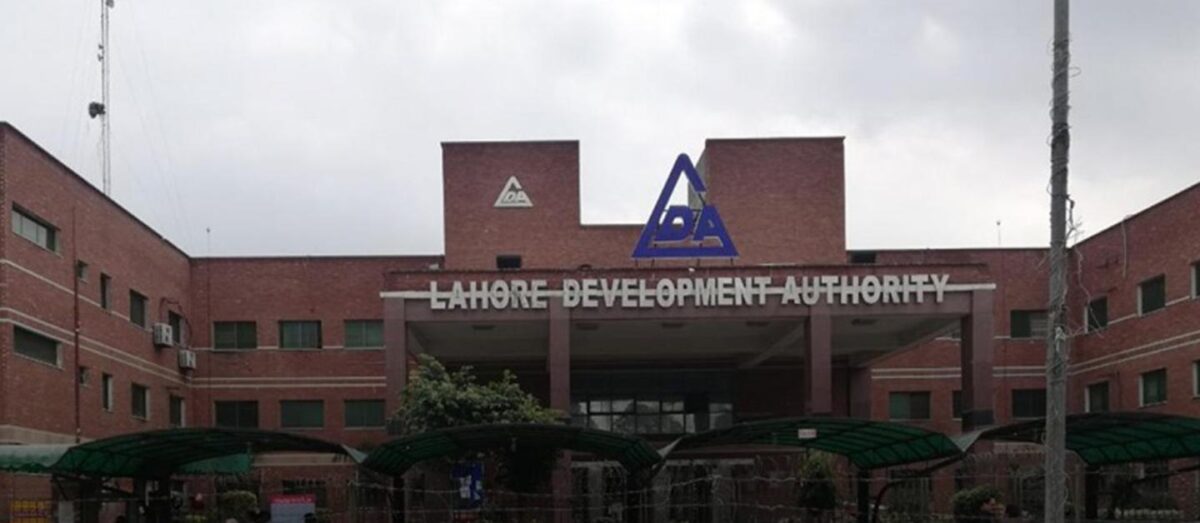
LAHORE, Aug 06 (APP):The governing body on Tuesday approved the Lahore Development Authority (LDA)’s budget for the fiscal year 2024-25 worth Rs 96.16 billion.
The meeting held here at LDA office was chaired by LDA Vice Chairman Mian Marghoob Ahmed and Provincial Assembly Members Hassan Riaz, Naeem Safdar, Sultan Ahmed Bajwa, Technical Member Abdul Hannan, and Akbar Sheikh.
LDA Director General Tahir Farooq briefed the governing body members on the meeting’s agenda. The body approved the budget for the fiscal year 2024-25, with a total allocation of Rs96.16 billion for LDA and its subsidiary agencies.
The budget comprises Rs59.18 billion for the LDA Urban Development Wing, Rs34.5 billion for WASA and Rs2.49 billion for TEPA. Additionally, the governing body gave provisional approval for the classification and reclassification (commercialization) of eight major roads in Lahore.
Key decisions included the approval of amendments to the LDA Transfer of Properties Regulation 2023 and the Management of Properties of Lahore Development Authority Lease Rights Regulation 2024. The meeting also sanctioned the establishment of the Directorate of Marketing and Business Development and the implementation of reforms and recruitment in the Strategic Policy Unit.
Development projects under the Sustainable Development framework in the Gulberg scheme were approved, alongside urban regeneration and modeling of MM Alam Road. Planned improvements for MM Alam Road include underground wiring, expanded parking, pedestrian walkways, cycling lanes, and asphalt work.
In the Gulberg scheme, development will feature rainwater harvesting systems, footpaths, pedestrian walkways, cycling lanes, solar lights, green belts, park restoration, and other infrastructure enhancements.
The meeting was attended by Chief Engineers of LDA, TEPA, MD WASA, additional D.Gs, Directors of Admin, C&I, Chief Town Planners, Chief Metropolitan Planning, and other relevant officials.
Representatives from the Lahore Commissioner’s office, Housing and Urban Development Department, Finance Department, P&D, Local Government, NESPAK, and other departments were also present.

Twelve more connections disconnected

0
LODHRAN, Aug 06 (APP):Sui Northern Gas Pipelines Limited (SNGPL) UFG Control Task Force continued operations on a daily basis and disconnected twelve more connections.
Three consumers were disconnected over installing metres out of service which caused gas leakage to the department.
Four consumers meters were found to be suspicious of counter broken, due to which all four meters were disconnected and sent to the laboratory.
Likewise, four consumers’ meters were found to be suspicious of seal tampering, so their meters were also disconnected and sent to the laboratory.
Besides one consumer’s meter was disconnected for using the compressor.
Apart from this, the meters of two consumers were found to be away from the meter service and they were transferred to the meter service.
The extensions of five consumers were removed over providing gas to more than one home.
The In charge UFG control gave a task for checking all areas in which illegal colonies would be checked.

Secession on EU climate regulations, impact on exports held

0
ISLAMABAD, Aug 6 (APP):The Islamabad Chamber of Commerce and Industry (ICCI) on Tuesday organized a dialogue on climate regulations by the European Union (EU) and their Impact on exports to highlight the issues and challenges faced by local exporters.
The discussion focused on the EU’s stringent new trade regulations, which are part of the European Green Deal, a comprehensive policy initiative aimed at making Europe the first climate-neutral continent by 2050, said a press release issued here today.
The dialogue underscored the urgency of adapting to the EU’s new trade regulations and highlighted the critical role of awareness and collaboration between Pakistani businesses, the government, and international partners like the ITC. The discussions paved the way for future cooperation and set the stage for a more sustainable and resilient trade relationship between Pakistan and the European Union.
The event was attended by Escipion Joaquin Oliveira Gomez, Director International Trade Centre, Robert Skidmore, Chief Sector & Enterprise Competitiveness International Trade Centre,  Atif Aziz, Joint Secretary EU Affairs, Ministry of Commerce, Ahsan Zafar Bakhtawari, President ICCI and others.
Speaking on the occasion, Ahsan Zafar Bakhtawari highlighted the importance of understanding and adapting these new regulations and emphasized that local businesses to proactively align with the EU’s environmental standards to maintain their market access and competitiveness.
“Our exports to the EU are crucial therefore we must not only be aware of these changes but also ready to comply with these regulations”, he said adding that Pakistan’s carbon emissions are significantly lower as compared to the neighboring countries.
Pakistan’s share of global greenhouse gas emissions is only 0.93% but is one of the worst sufferers of the impacts, therefore, it deserves the benefit of the situation, he maintained.
He urged the International Trade Centre delegation to visit Karachi, Lahore, Faisalabad, and Sialkot chambers of commerce and Industry to get the firsthand knowledge of the exporters and industrialists’ ambitions to enhance their exports to EU and the difficulties they are confronting in the matter.
Addressing the secession, Robert Skidmore highlighted the support available to Pakistani businesses to help them transition to more sustainable practices. He outlined Growth for Rural Advancement and Sustainable Progress (GRASP) project of ITC and how this project is supporting SMEs through capacity building and policy initiatives.
Representative of the Ministry of Commerce Atif Aziz highlighted the government’s role in facilitating this transition. He mentioned that the ministry is actively working on developing policies and frameworks to help Pakistani exporters comply with international environmental standards.
Adnan Lodhi from ITC briefed the participants that as a major trading partner, Pakistan’s exports, especially in sectors like textiles, agriculture, and manufacturing are expected to be directly affected by these changes.

Planning and Development Department prioritizes transparency in project implementation

0
PESHAWAR, Aug 06 (APP):The Planning and Development Department continues its series of review meetings for the Annual Development Plan (ADP) 2023-24.
The meetings, chaired by Additional Chief Secretary  Syed Imtiaz Hussain Shah, focused on the progress of projects within the Secondary and Higher Education Department, Municipalities, and other departments.
The review session was attended by Secretary Planning and Development Shahidullah Khan, Chief Economist Arifullah Awan, along with representatives from various departments and sections of the Planning and Development Department.
During the meeting, the Additional Chief Secretary emphasized the importance of ensuring quality and transparency in all projects.
He directed the relevant departments to formulate their plans of action based on the monitoring and evaluation reports, ensuring efficient and effective project implementation.
“The departments must prioritize transparency and quality in their projects,”  he said.
 The Additional Chief Secretary said, “By doing so, we can ensure that the Annual Development Plan achieves its intended goals and benefits the people of our province.”
“The ongoing review meetings are part of a broader effort to closely monitor and guide the implementation of development projects across various sectors, aiming to improve public services and infrastructure throughout the province, he informed.

China poised to become world’s largest economy by 2035; forecast global experts

0

By Rehan Khan

BEIJING, Aug 06 (APP): A report, titled ‘Decisive Battle: The Progress of China’s Comprehensively Deepening Reform and High-Standard Opening Up in the New Era and Prospects for 2029 and 2035’ was released at an international seminar held at Renmin University of China where experts and scholars from home and abroad gathered to envision the country’s trajectory towards 2029 and 2035.

According to the report, “By 2035, China is poised to become the world’s largest economy, with its scientific research and manufacturing capabilities reaching world-class levels across most industries.” It outlined seven key transformations expected in China by 2029 and 2035, with most striking changes taking place in fields of economy, life standard, environment, and national security.

It said economically, by 2029, strategic emerging industries will constitute over 20% of China’s Gross Domestic Product (GDP), with more than 40% of fortune 500 companies coming from China.

“I am sure that this new era of Chinese reforms, which a comprehensive and deepening and will be based on modernization, will create the core for the new world economic mode,” Sergey Glaziev, Vice President of the VEO of Russia, Academician of the Russian Academy of Sciences, told CEN.

“The global economic landscape will certainly shift,” noted Mohammed Saqib, Secretary General, India China Economic and Cultural Council (ICEC), India. He highlighted that this presents both opportunities and challenges for other nations. “It will need a careful cultivation of economic relationships and strategic partnerships,” he added.

“What is the point of engaging in development if it does not lead to massive increases in the standards of living of the ordinary people?” Radhika Desai, Professor at the Department of Political Studies, and Director of Geopolitical Economy Research Group, University of Manitoba (GERG), Canada, raised a question. In terms of quality of life, by 2029, it is projected that China’s Human Development Index will rise to the “very high” category, with average life expectancy surpassing 80 years. By 2035, the per capita monthly income is expected to exceed RMB 10,000.

Environmentally, by 2029, China aims to achieve peak carbon emissions earlier than expected, with an annual reduction of over 400 million tons of greenhouse gas emissions thereafter. By 2035, China will form a green, low-carbon, and circular industrial system, becoming one of the countries with the lowest energy consumption per unit of GDP and carbon emission intensity.

In terms of national security, by 2029, China will be recognized as the country with the highest degree of comprehensive security, achieving milestones such as a manned lunar landing and producing over 100 large aircraft annually. By 2035, China will increase its annual large aircraft production to 500, build ten new overseas support bases, and conduct 200-300 space launches per year.

Hosted by Renmin University and organized by the Chongyang Institute for Financial Studies, the event saw collaboration from the Free Economic Society of Russia (VEO of Russia), the Geopolitical Economy Research Group at the University of Manitoba (GERG), and the India China Economic and Cultural Council (ICEC).