By Hasnain Raza Gardezi
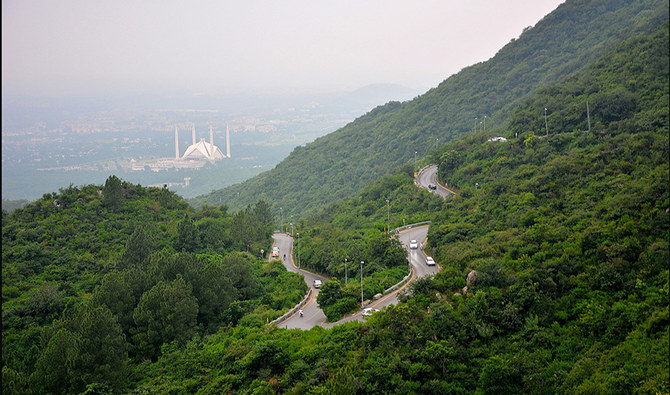
ISLAMABAD, Aug 22 (APP): Islamabad, once revered as a sanctuary of serenity and peace, is now entangled in a web of daily strife. For its residents, the idealized vision of life in the capital has become an increasingly elusive dream.
The city, previously a symbol of tranquility, is now marred by ceaseless political protests, religious demonstrations, and the ever-present specter of commuting chaos. What was once seen as a haven has transformed into a battleground where daily existence is overshadowed by unrest, making life for its citizens an ongoing struggle.
Doctor Alina Nasir, a 42-year-old medical practitioner, who moved to Islamabad from Azad Kashmir ten years ago for its reputed calm and better employment opportunities, now finds herself grappling with a relentless cycle of stress. “I imagined a peaceful life here, but it’s been anything but that,” she shares, her frustration palpable. “Every day, I worry about my children’s safety, especially when they travel to and from school. The political rallies and roadblocks are constant, making the daily commute a nerve-wracking ordeal.”
The city’s infrastructure, once designed to accommodate its growing population, now buckles under the strain of frequent demonstrations and political unrest. The roads are often clogged with traffic as protesters stage rallies, leaving residents stuck for hours. This has led to a deteriorating quality of life, where every journey feels like a gamble.
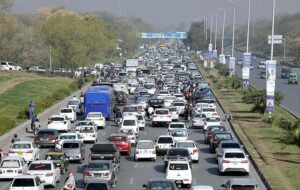
Ali Raza, a 45-year-old businessman, echoes Alina’s sentiments. “I used to think of Islamabad as a place where I could grow old peacefully. Now, I’m not sure if I can even get to work on time. The protests that break out with little notice create havoc on our streets. It’s not just inconvenient; it’s dangerous.”
For families like Jaffrys, a school teacher who also relocated to Islamabad from Rawalpindi’s far-flung village Kallar Sayedan to provide their children with better educational opportunities, the reality is far from ideal. “We moved here hoping for a safer environment for our kids,” says Mrs. Riffat, her eyes reflecting concern. “But now, every day, we face the anxiety of whether they’ll be able to get to school safely or if they’ll be caught in a protest.”
Adding insult to injury are the frequent VIP movements, ongoing road construction projects, and high-profile cricket matches. These events often lead to road closures, making daily struggles of Islamabad’s residents more stressful.
“It feels like we’re constantly living in a pressure cooker,” complains Anis ur Rehman, a 47-year-old IT professional. “VIP convoys speed through our neighborhoods, roadwork is a never-ending saga, and cricket matches turn the city into a traffic nightmare. It’s as if every aspect of daily life has become a series of obstacles. And unfortunately, I am residing near Faizabad, the epicentre of all the political and religious demonstrations.”
The impact of this unrest extends beyond daily commutes and safety concerns. The constant disruptions are eroding the sense of community and well-being that once characterized Islamabad. Social gatherings are now rare, and the vibrancy of public life has been overshadowed by the grim reality of political and religious discord.
Doctor Maryam, a local psychiatrist, provides insight into this growing malaise. “The persistent stress and uncertainty are taking a toll on people’s mental health. The idealized image of Islamabad as a peaceful capital is crumbling, and with it, the psychological well-being of its residents is suffering.” And it must be a matter of concern for the relevant authorities, she forcefully stressed.
Islamabad’s transformation from a symbol of calm to a center of turmoil reflects broader socio-political changes in Pakistan. The city, envisioned in the 1960s as a serene administrative capital, now grapples with the pressures of rapid urbanization and political instability.
Efforts to address these issues have been inconsistent. While city officials occasionally announce plans to improve traffic management and enhance security, the effectiveness of these measures often falls short, leaving residents to steer the chaos largely on their own.
The daily trials of its residents— from navigating the maze of traffic caused by protests to ensuring their children’s safety—paint a picture of a city struggling under the weight of its own idealization.
As Islamabad faces this ongoing challenge, it begs the question: can a city truly reclaim its peace, or is it destined to be perpetually trapped in its own contradictions?