Home Blog Page 62

Japan, UNDP launch ¥518m project to support 19 local governments in KP’s merged districts

0
ISLAMABAD, Dec 18 (APP):Japan and the United Nations Development Programme (UNDP) have started a new project to strengthen local governments and improve access to basic public services in Khyber Pakhtunkhwa’s Merged Districts.
The initiative, supported with 518 million Japanese Yen (about US$3.5 million), will work with 19 Tehsil Local Governments across eight districts and is expected to benefit around 18,000 people directly and nearly 500,000 residents indirectly.
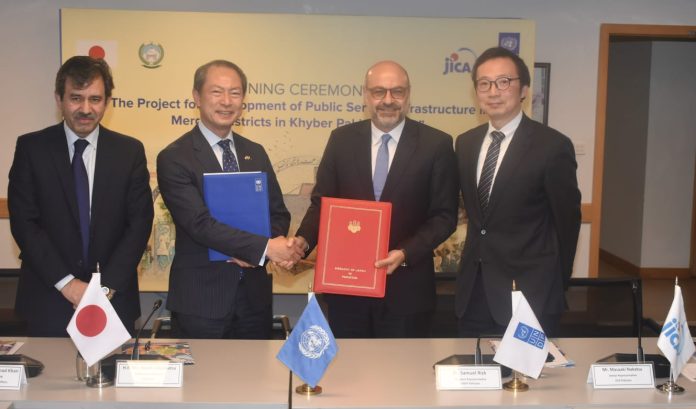
The project, titled “The Project for Development of Public Service Infrastructure in the Merged Districts of Khyber Pakhtunkhwa,” is funded by the Government of Japan through the Japan International Cooperation Agency (JICA) and implemented by UNDP in partnership with the Government of Khyber Pakhtunkhwa. It will be carried out under UNDP’s Merged Areas Governance Programme. A signing ceremony held in Islamabad marked the formal start of the initiative.

Japan, UNDP launch ¥518m project to support 19 local governments in KP’s merged districts
The Merged Districts became part of Khyber Pakhtunkhwa in 2018. Since then, the region has been moving toward a system of local governance and decentralized public services. While progress has been made, newly formed local bodies continue to face challenges linked to administration, planning, and service delivery. Many areas still need support to build systems that can respond to local needs and provide basic facilities to communities.
The new project aims to address these gaps by strengthening the capacity of Tehsil Local Governments, which were elected for the first time in the Merged Districts. The focus will be on improving service delivery through small-scale public infrastructure schemes identified by communities themselves. These schemes will be planned and implemented in coordination with local administrations to ensure they reflect local priorities.
Under the project, UNDP and JICA will work closely with district and tehsil-level authorities to select and carry out community-based initiatives. The approach is expected to improve coordination between local governments and residents, increase accountability, and encourage public participation in decision-making. The project will also help local institutions manage public resources and respond to citizen needs more effectively.
Senior officials from the Ministry of Economic Affairs, the Government of Khyber Pakhtunkhwa, the Embassy of Japan, JICA, and UNDP attended the signing ceremony. Their presence highlighted joint efforts to support governance reforms and service delivery in areas that had limited exposure to formal administrative systems in the past.
Speaking at the event, Japan’s Ambassador to Pakistan, Mr Akamatsu Shuichi, said the Merged Districts are a key area for long-term stability and development. He noted that the project would support the restoration of community-level infrastructure and local services, while also promoting public participation in local governance. He said inclusive local systems are important for ensuring that development benefits reach all segments of society.
Mr Nakatsu Masaaki, Senior Representative of the JICA Pakistan Office, said the project builds on JICA’s ongoing technical cooperation with Tehsil Local Governments from 2022 to 2026. He explained that earlier efforts helped prepare Tehsil Development Plans through public consultations. The new partnership with UNDP, he said, will help put these plans into action and respond to community needs. He added that the project also aims to build trust between local governments and citizens.
The initiative is linked to JICA’s earlier project on strengthening the capacity of local government officers in the Merged Districts. That effort identified priority schemes through local participation, which will now guide infrastructure development under the new programme.
Mr Mahmood Khan, Joint Secretary (UN) at the Ministry of Economic Affairs, said the Merged Districts present both challenges and opportunities for Khyber Pakhtunkhwa. He stated that improving service delivery through stronger local governments supports Pakistan’s broader development goals and helps local communities contribute to the achievement of the Sustainable Development Goals.
Dr Ehtisham-ul-Haq, from the Planning and Development Department of the Government of Khyber Pakhtunkhwa, welcomed the support from Japan and UNDP. He said both partners have played an important role in the development of the Merged Districts and expressed confidence that the project would help improve services, strengthen institutions, and build public trust.
The project aligns with UNDP’s five-year strategy focused on inclusive and accountable governance in Pakistan. It also supports federal and provincial development frameworks for the Merged Districts, including the Tribal Decade Strategy and Accelerated Implementation Programmes I and II.
UNDP Pakistan Resident Representative Dr Samuel Rizk said the initiative reflects a commitment to deliver services where they are most needed and to support institutions that can sustain progress. He said that, with Japan’s support and close coordination with government partners, the project aims to bring practical improvements to daily life in the Merged Districts through steady and planned action.
NAB, Nigeria’s EFCC sign landmark MoU to tackle corruption

0
ISLAMABAD, Dec 18 (APP):National Accountability Bureau (NAB) and Nigeria’s Economic and Financial Crimes Commission (EFCC) have signed a Memorandum of Understanding (MoU) to enhance cooperation in tackling corruption and financial crimes.
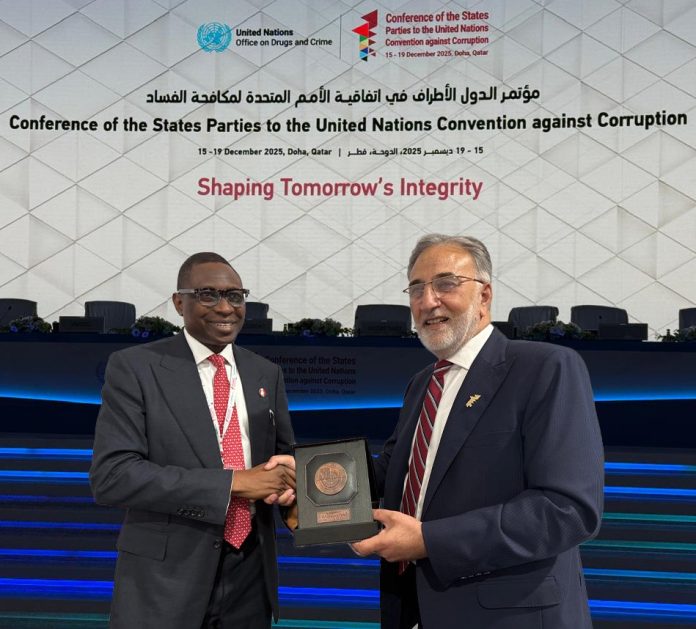
The MoU was signed on the sidelines of the 11th Conference of States Parties (CoSP11) in Doha, Qatar on Thursday, by NAB Chairman Lt. Gen (R) Nazir Ahmed and EFCC Executive Chairman Olanipekun Olukoyode. The MoU marks a significant step toward institutional collaboration, anchored in a shared commitment to transparency, accountability and the rule of law.
NAB, Nigeria’s EFCC sign landmark MoU to tackle corruption
This collaboration aligns with Pakistan’s and Nigeria’s obligations under the United Nations Convention against Corruption (UNCAC) and reflects a shared vision to combat transnational corruption through sustained bilateral engagement.
Chairman NAB, Lt. Gen (R) Nazir Ahmed emphasized that “this partnership will not only bolster our investigative and prosecutorial capabilities but also reinforce the global fight against corruption. Together, NAB and EFCC will work to ensure that justice prevails across borders.”

HCSTSI president participates in stakeholders’ consultation on STPF 2025–30

0
HYDERABAD, Dec 18 (APP):The President Hyderabad Chamber of Small Traders & Small Industry (HCSTSI) Muhammad Saleem Memon participated in the Stakeholders’ Consultative Session on the Strategic Trade Policy Framework (STPF) 2025–30 held via Zoom. The Secretary General of HCSTSI Furqan Ahmed Lodhi also participated along with him.
The consultative meeting was organized by the Ministry of Commerce & Industries, Government of Pakistan, Islamabad and was chaired by the Deputy Chief (Trade Policy) Atta Ullah, and the Deputy Director (Trade Policy) Sarah Tassaduq was also present during the session.
According to a statement issued by the secretary general of HCSTSI here on Thursday, during the meeting, President HCSTSI Saleem Memon highlighted the critical trade and industrial challenges being faced by the business community of Pakistan, particularly traders and industrialists of Hyderabad.
He stated that exporters often fail to receive their legitimate profits in a timely manner due to complex official procedures and restrictive banking policies. Delays in refunds and payments have severely demoralized the business community, discouraging efforts to enhance exports.
He emphasized the urgent need for an efficient and fast-track mechanism to ensure smooth and timely export-related financial transactions.
Memon pointed out that Pakistani companies were manufacturing quality products in the automotive sector, which had strong export potential to Egypt and several African countries. However, he stressed that this potential can only be realized if the government facilitates the business community through simplified visa policies and improved access to international markets.
He also underlined that in order to compete effectively in the international market, it was essential to reduce manufacturing costs. This can only be achieved by ensuring the availability of electricity and gas at affordable rates with uninterrupted supply to industries. High energy costs, he noted, were rendering Pakistani products uncompetitive in global markets.
The HCSTSI President also compared Pakistan’s export performance with that of other developing and smaller countries, observing that despite Pakistan’s vast industrial potential and skilled manpower, the country had been unable to achieve desired export growth, while, other nations had performed significantly better due to supportive policies, strong industrial infrastructure and effective export facilitation mechanisms.
On this occasion, the Deputy Chief (Trade Policy) Atta Ullah appreciated the valuable suggestions presented by the Hyderabad Chamber. He reaffirmed that the ministry of commerce believes in actively engaging chambers of commerce in national policy formulation to ensure ease of doing business. He assured that the recommendations put forward by HCSTSI would be duly considered and incorporated into national-level policies.
He further highlighted the participants that only six trade bodies from across Pakistan were selected to participate in this consultative process, and HCSTSI was one of them. This, he noted, reflects the importance and credibility of HCSTSI’s consistent, constructive and effective recommendations on national trade and export-related issues.

PM Shehbaz welcomes IT reform proposals, calls sector key engine of economic growth

0
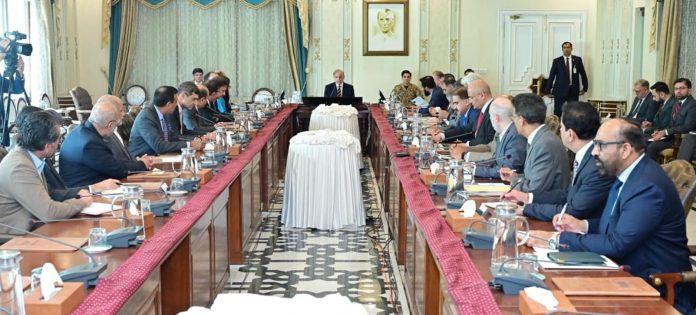
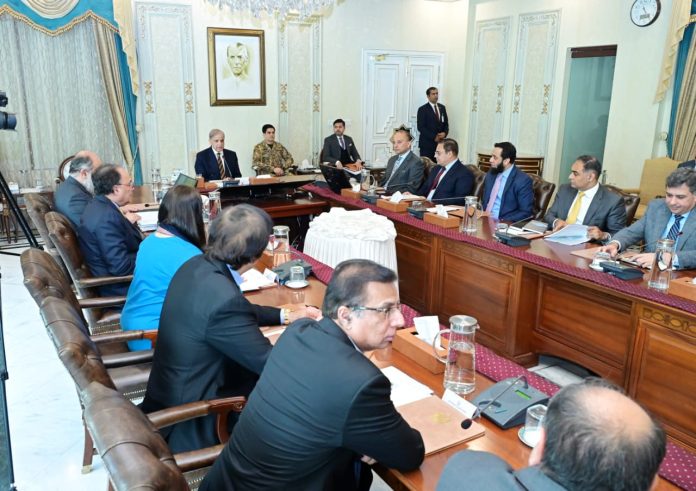
ISLAMABAD, Dec 18 (APP):Prime Minister Muhammad Shehbaz Sharif on Thursday underscored the central role of the information technology (IT) sector in driving Pakistan’s economic revival, noting that the industry has continued to grow despite persistent macroeconomic challenges.
Chairing a meeting of the private sector working group on IT-led economic development, the prime minister welcomed the recommendations presented by the committee headed by Asif Peer, describing them as timely and aligned with the government’s reform agenda. He said the gradual rise in IT exports was extremely encouraging and reflected the resilience and potential of the sector.
The prime minister said the government was actively working to enhance technical training of the IT workforce, introduce tax facilitation measures, and remove structural bottlenecks to support sustained growth. He stressed that all initiatives in technical education were focused on equipping Pakistani youth with globally competitive skills so they could enter the international IT market as an experienced and reliable workforce.
Emphasising job creation, Prime Minister Shehbaz Sharif directed that further measures be taken to expand employment opportunities for young people, particularly through digital platforms and emerging technologies. He also instructed relevant ministries to improve IT infrastructure nationwide, noting that the promotion of a digital economy was directly linked to citizens’ access to reliable and affordable internet services.
During the meeting, the prime minister directed a high-level committee headed by the finance minister to review the recommendations presented and submit a comprehensive report within two weeks. He was briefed on proposals aimed at expanding the digital economy, increasing IT exports, and implementing broader sectoral reforms, including the development of a data-driven governance model.
Private sector participants appreciated ongoing government initiatives, including efforts to increase export market share, the full digitisation of the Pakistan Software Export Board, the e-Rozgar scheme, and the strengthening of the startup and innovation ecosystem.
The meeting was attended by federal ministers Dr Ahsan Iqbal, Jam Kamal Khan, Muhammad Aurangzeb, Dr Musadik Masood Malik, Ahad Khan Cheema, Attaullah Tarar and Shaza Fatima Khawaja; Minister of State for Finance Bilal Azhar Kiani; Special Assistant to the Prime Minister Haroon Akhtar; the Chairman of the Federal Board of Revenue; and senior officials from relevant departments.

PIDE spotlights higher education’s potential to fuel innovation, competitiveness

0
ISLAMABAD, Dec 18 (APP):The Pakistan Institute of Development Economics (PIDE) on Thursday hosted a high-level national leadership dialogue, spotlighting how Pakistan’s universities can evolve beyond knowledge hubs into powerful drivers of innovation, productivity, and global competitiveness.
According to press release issued by PIDE, the moot, organized under the theme “From Knowledge to Impact: A National Leadership Dialogue,” brought together vice chancellors, senior policymakers, academics, and development leaders.
The dialogue reflected a growing consensus that while Pakistan has significantly expanded its higher education and research base over the past decade, however, the country continues to struggle in translating knowledge into tangible economic, industrial, and policy outcomes.
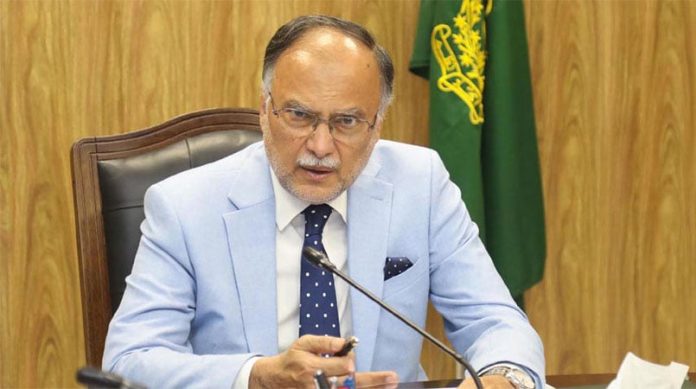
Speaking on the occasion, Federal Minister for Planning, Development and Special Initiatives, Professor Ahsan Iqbal, described the dialogue as a critical inflection point in Pakistan’s development journey.
Reflecting on reform efforts under Vision 2010 and Vision 2025, he highlighted major investments in higher education, including the expansion of universities, revival of HEC funding, establishment of national centers in emerging technologies, and large-scale PhD training programs.
However, he candidly acknowledged that these investments have yet to produce a robust innovation ecosystem.
An excessive focus on academic publications, he observed, has increased research output but delivered limited real-world impact—leaving pressing national challenges in agriculture, industry, exports, and technology largely unaddressed.
Dr. Nadeem Javaid, Vice Chancellor of PIDE, Pakistan’s core challenge lies in weak systems that fail to translate research and talent into innovation and policy impact, noting fragmented university–industry links and publication-driven incentives, and stressing that effective innovation ecosystems require deliberate design through aligned incentives, supportive regulation, risk-ready financing, and coordinated leadership.
Speaking on the occasion, Professor Kamal Munir, Senior Pro-Vice-Chancellor University of Cambridge said, innovation flourishes where universities, industry, and government operate through porous boundaries rather than rigid silos. He underscored the importance of world-class basic research, entrepreneurial culture, institutional support for knowledge transfer, dense local networks of talent and capital, and light-touch intellectual property regimes that encourage collaboration and spin-offs.
Infrastructure alone, he cautioned, does not create innovation—nor does government control guarantee creativity.
Speaking on the occasion, Professor Dr. Zia Ul Haq, Executive Director of the Higher Education Commission acknowledged the contributions of speakers and participants and reaffirmed HEC’s commitment to reforms that strengthen the link between higher education, innovation, and national development.

Farmers form backbone of country’s economy: Governor Kundi

0

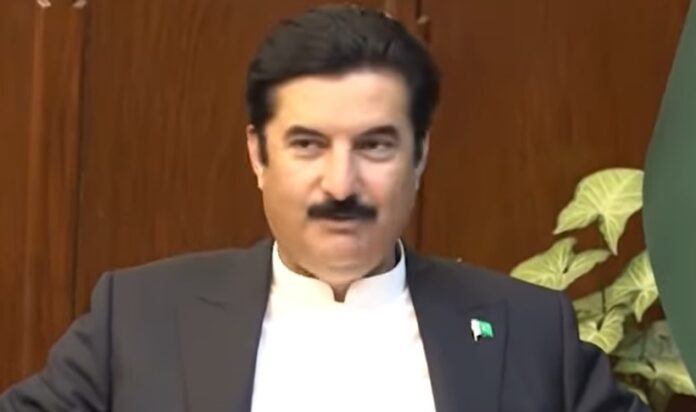
PESHAWAR, Dec 18 (APP): Governor Khyber Pakhtunkhwa Faisal Karim Kundi on the occasion of World Farmers’ Day on Thursday paid rich tribute to the hardworking farmers of Pakistan, saying that they were the backbone of the national economy, food security and rural development.

The Governor said that agriculture is a major pillar of national development and a primary source of livelihood for millions of families across the country.

He added that farmers, through their tireless day-and-night efforts, not only fulfilled the food needs of the nation but also provided strong support to the national economy.

Highlighting the challenges faced by the farming community, Governor Kundi said that water scarcity, climate change, and rising input costs have created serious difficulties for farmers, which require coordinated and sustainable policies.

He emphasized the need for concrete and practical measures to ensure farmers’ welfare, promote modern agricultural technologies, and improve access to markets.

The Governor said that Khyber Pakhtunkhwa holds vast potential for agricultural development and said that the Chashma Lift Canal project is among the government’s top priorities. He said that the project will enable Dera Ismail Khan to play a key role not only for the province but also in addressing food shortages at the national level.

Governor Kundi said that food security, sustainable development, and prosperity in Pakistan are only possible through a strong agricultural sector.

He reaffirmed that the Pakistan Peoples Party remains committed to strengthening agriculture and empowering farmers through farmer-friendly policies.

He also announced that, for the first time, a Farmers’ Award ceremony is being organized at the Governor House in Khyber Pakhtunkhwa to recognize the contributions of farmers.

Attack on civilians is reprehensible, unacceptable at all levels: Ayaz Sadiq

0

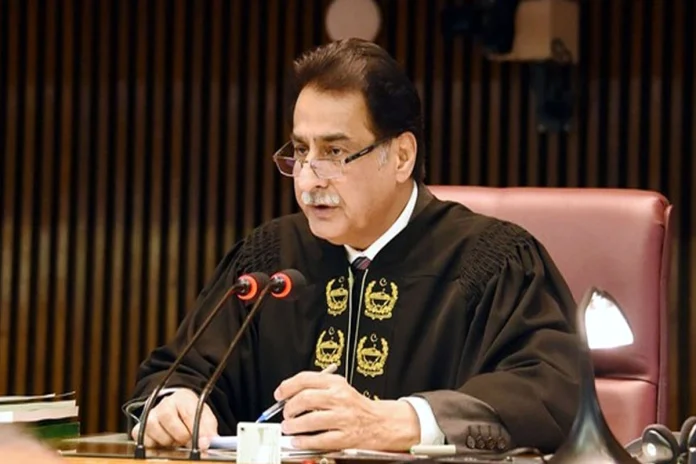
ISLAMABAD, Dec 18 (APP): Speaker National Assembly Sardar Ayaz Sadiq has strongly condemned the terrorist attack at Bondi Beach in Sydney, Australia, and expressed profound grief and sorrow over the loss of innocent lives.

He said that targeting citizens was a brutal, inhumane and utterly reprehensible act, said a news release issued here on Thursday.

The Speaker said that attacks on civilian populations and public places constituted a clear violation of humanity, moral values and international laws.

Ayaz Sadiq said that the Parliament and people of Pakistan were standing in complete solidarity with the Parliament, Government and people of Australia in this difficult time.

He said that the cowardly and inhuman act carried out by the perpetrators of this terrorist attack was an unforgivable crime. Terrorism, in whatever form it may take, whether carried out by individuals or organised networks, remains an assault on global peace and human values, he added.

Ayaz Sadiq paid tribute to Ahmed Al-Ahmed for risking his own life to save innocent civilians during the incident.

He said that his courageous, selfless and humane action was a matter of pride for all of humanity.

Ayaz Sadiq said that the bravery, sacrifice and resolve demonstrated by Ahmed Al-Ahmed, without regard for his own safety, were a shining example of the highest human values, and a source of pride for the Muslim Ummah.

He said that the attackers’ links with India clearly reflect India’s involvement in the patronage of terrorism and support for extremist elements.

The Speaker said that this incident has once again exposed India’s negative and aggressive role, which continues to pose a threat to peace and stability in the region and beyond.

Ayaz Sadiq said that Pakistan has been combating the scourge of terrorism for over four decades and has sacrificed more than 90,000 precious lives in the fight against terrorism.

He added that even today, Pakistan’s security forces remain engaged against terrorist organizations, including Al-Khawarij (Fitna-e-Hindustan), which are operating under Indian patronage.

Ayaz Sadiq urged the international community to take serious notice of India’s involvement in terrorism and to ensure effective and practical measures against elements and state sponsors involved in promoting terrorism.

He reiterated that Pakistan condemns terrorism, extremism and violence in all their forms, without discrimination, and advocates a collective, coordinated and effective global strategy to eliminate terrorism.

Ayaz Sadiq emphasized that terrorism is a global challenge that can only be countered through shared resolve and practical international cooperation.

SSP for fool proof security arrangements for anti-polio campaign

0
HYDERABAD, Dec 18 (APP): Fool proof security arrangements have been ensured across the district on the fourth day of the ongoing anti-polio campaign. The security directives in this regard were issued by SSP Shaheed Benazirabad, Shabbir Ahmed Sethar.
In accordance with the special instructions of the SSP, comprehensive security measures have been implemented throughout Shaheed Benazirabad district to protect polio teams and ensure smooth conduct of the campaign. Police mobiles, walking patrols, and adequate manpower have been deployed in all sensitive as well as routine areas.
According to police spokesperson, police personnel remain present with polio workers at all times to guarantee their safety and to ensure that the campaign is carried out peacefully and successfully. SSP has issued clear instructions that no negligence would be tolerated during anti-polio campaign, and that the police will extend full cooperation for the protection of children’s future. District Police Shaheed Benazirabad has appealed general public to fully cooperate with polio teams and ensure that their children receive polio vaccination drops.

ETPB to restore historic gurdwaras in Peshawar, Sialkot

0
ISLAMABAD, Dec 18 (APP):The Evacuee Trust Property Board (ETPB) has launched a major initiative to restore and rehabilitate several historic Sikh religious sites in Peshawar and Sialkot, aimed at preserving Pakistan’s Sikh heritage and promoting interfaith harmony.
According to official documents, the restoration plan includes two prominent gurdwaras in Peshawar — Gurdwara Bhai Joga Singh and Gurdwara Bhai Biba Singh — as well as Gurdwara Nanak Sar in Daska, Sialkot.
Gurdwara Bhai Joga Singh, constructed during the reign of Maharaja Ranjeet Singh, holds significant historical and religious importance for the Sikh community.
The ETPB has engaged a consultancy firm to prepare designs and plans for its restoration and rehabilitation.
The project is currently at the tender approval stage and is expected to commence once clearance is granted by the departmental committee.
To ensure the safety of worshippers and visitors, enhanced security arrangements have already been put in place at both gurdwaras in Peshawar. These include the installation of CCTV cameras and round-the-clock security personnel.
The ETPB is also considering introducing a shuttle service for pilgrims between the two Peshawar gurdwaras, which are located approximately 2.6 kilometres apart.
Officials said the service would be provided if a formal request is received from Sikh yatrees or the Pakistan Sikh Gurdwara Parbandhak Committee and if sufficient demand exists.
In Sialkot, Gurdwara Nanak Sar in Daska — currently a non-functional shrine — is set to undergo extensive renovation to prevent further structural deterioration.
Although there is no Sikh population in the immediate area, the ETPB considers the project essential for preserving the site’s architectural and historical value. Preliminary measures, including temporary structural support, have already been carried out by the board’s technical wing.
Officials said the restoration projects reflect the government’s commitment to safeguarding religious heritage sites and fostering mutual respect among different faith communities.
The initiatives are intended to ensure that these historic places of worship are preserved for future generations while remaining secure and accessible for pilgrims.

Improved IT infrastructure, internet connectivity vital for digital economy: PM

0

ISLAMABAD, Dec 18 (APP): Prime Minister Shehbaz Sharif on Thursday appreciating the gradual increase in IT exports, directed the relevant authorities to take steps to create employment opportunities for youth, improve IT infrastructure and enhance internet access to achieve the objective of the digital economy.

The prime minister, chairing a meeting with the private sector working group formed for IT sector-related economic growth, appreciated the progress shown by the country’s IT sector despite economic challenges.

He said that the government was actively working on technical training of the workforce in the IT sector, tax facilitation, and improvements in other related matters.

In the meeting, the working group, headed by Asif Peer, presented to the prime minister the recommendations focusing on expansion of digital economy, increasing IT exports, and other reforms in the IT sector, which he welcomed.

Prime Minister Shehbaz said that the focus of the government’s measures for technical training in IT was to introduce Pakistani youth as an experienced workforce in the global IT market.

He said that the promotion of the digital economy depended on consumers’ access to the internet.

The prime minister directed the high-level committee headed by the finance minister to review the working group’s recommendations and submit a report within two weeks.

In the meeting, the prime minister was also briefed on the formation of a data-based governance model.

The members of the private sector working group appreciated the government’s initiatives, such as increasing market share for exports, complete digitization of the Pakistan Software Export Board, the E-Rozgar scheme, and the startup innovation ecosystem.

The meeting was attended by federal ministers Dr. Ahsan Iqbal, Jam Kamal Khan, Muhammad Aurangzeb, Dr. Musadik Masood Malik, Ahad Khan Cheema, Attaullah Tarar, Shaza Fatima Khawaja, Minister of State for Finance Bilal Azhar Kayani, Special Assistant Haroon Akhtar, Chairman FBR, and senior officials from relevant departments.