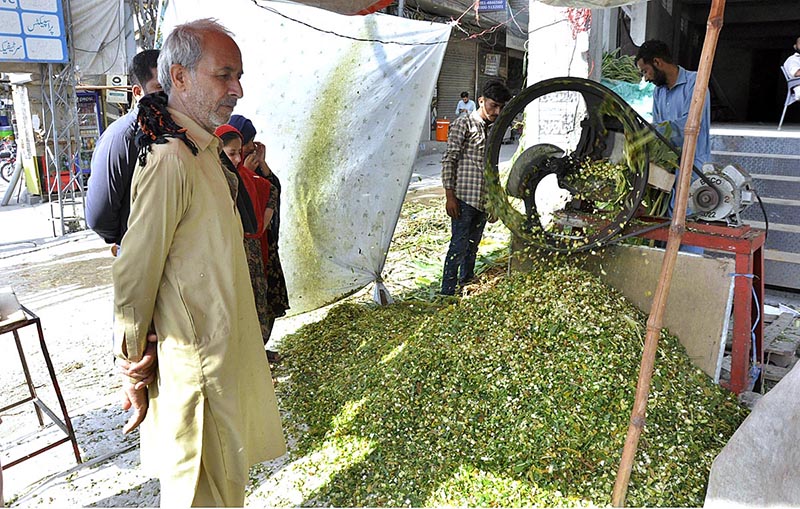
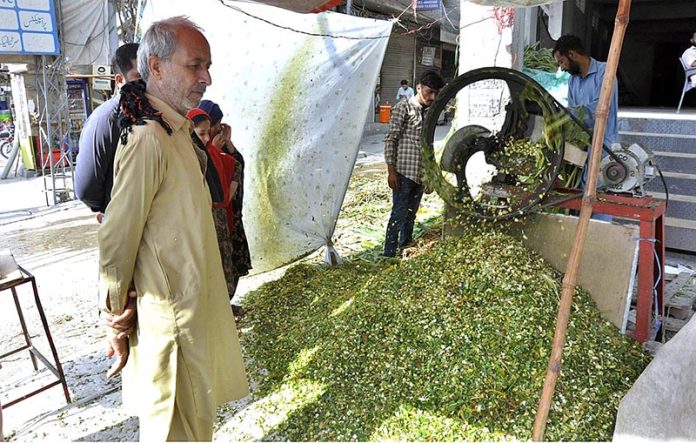
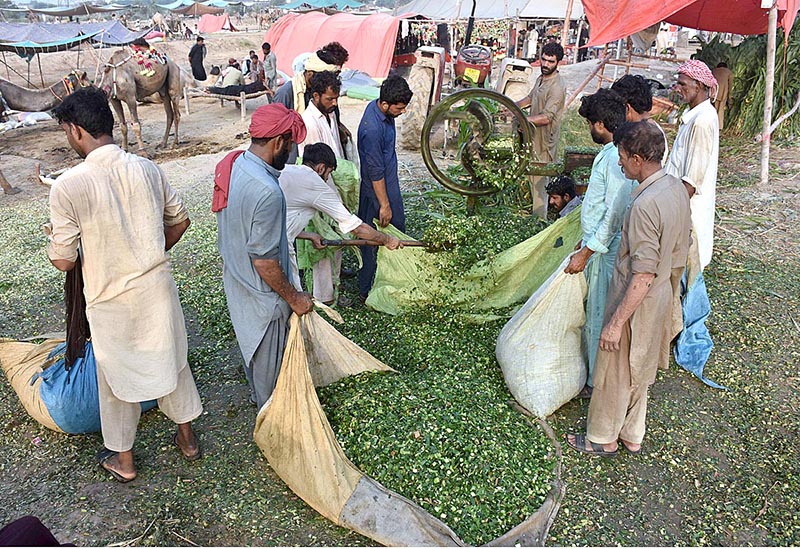
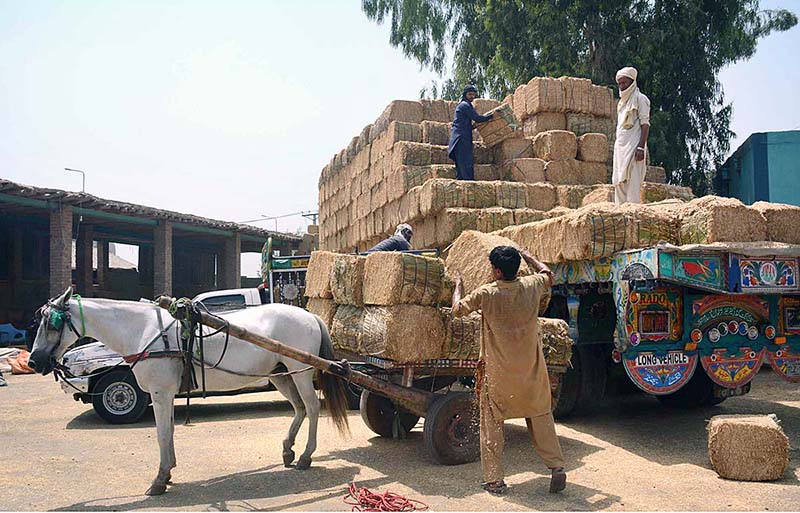
A vendor busy in cutting fodder for selling purpose as demand increased in connection with upcoming Eid-ul-Azha
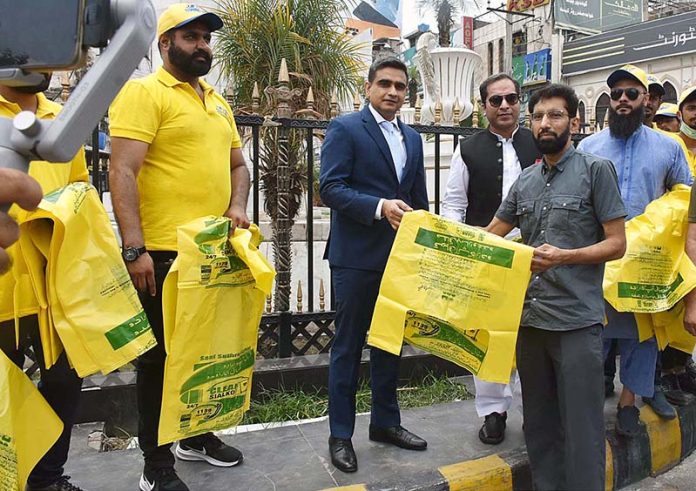
Deputy Commissioner Malik Adnan Mahmood Awan distributing plastic bags by Sialkot Waste Management Company to public for disposal of the offal of sacrificial animals on Eidul Azha

An attractive and eye catching view of sunrays peeping through clouds during sunset over the Chumik RCC bridge mountain


Ambassador Munir Akram highlights Kashmiris’ freedom struggle in Eid message
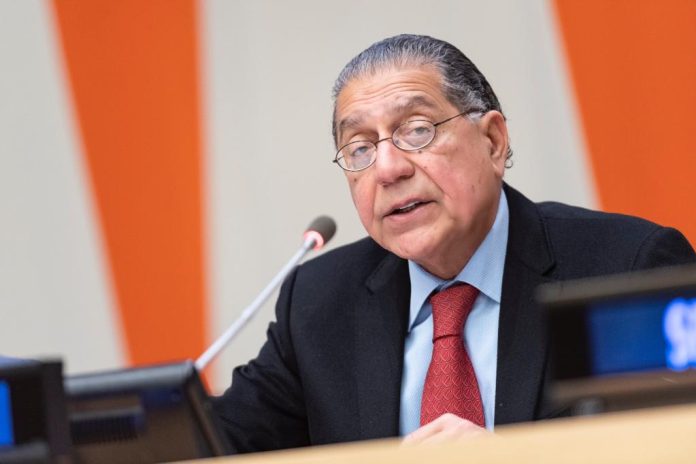
UNITED NATIONS, Jun 27 (APP)::Pakistan’s Ambassador to the United Nations, Munir Akram, has greeted the UN community and Muslim citizens on Eid-ul-Azha, while paying tributes to the “heroic” struggle of the Kashmiri people for their right to self-determination.
In a message on the occasion of Eid-ul Azha, which is being celebrated in the U.S. on June 28, he said: “On this auspicious occasion it is appropriate to manifest in accordance with the immutable principles of Islam, our support and solidarity for all those people confronted by misfortune and oppression; by war and pestilence; by exploitation and foreign occupation.”
“May this Eid bring peace and prosperity to our heroic brothers and sisters in Illegally Indian Occupied Jammu and Kashmir who are making enormous sacrifices to secure their freedom and the self-determination,” he added.
“On this Eid, let us also reaffirm our commitment to end global hunger and eliminate inequality, injustice & discrimination across the world,” he said.
“Eid Mubarak and all the blessings of the Almighty for you and your loved ones”, he added.
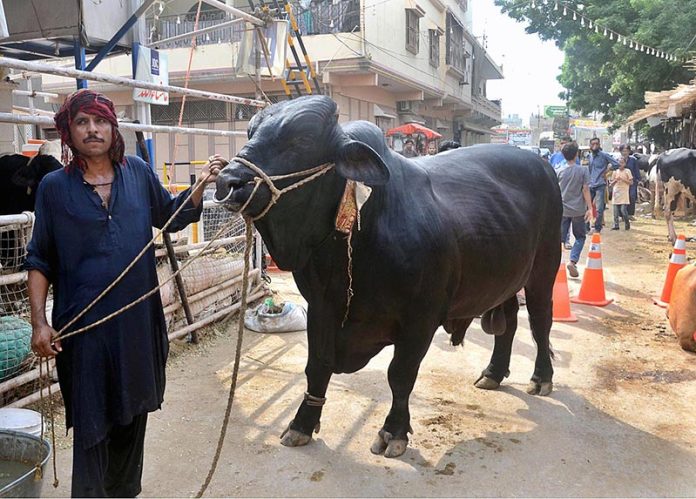
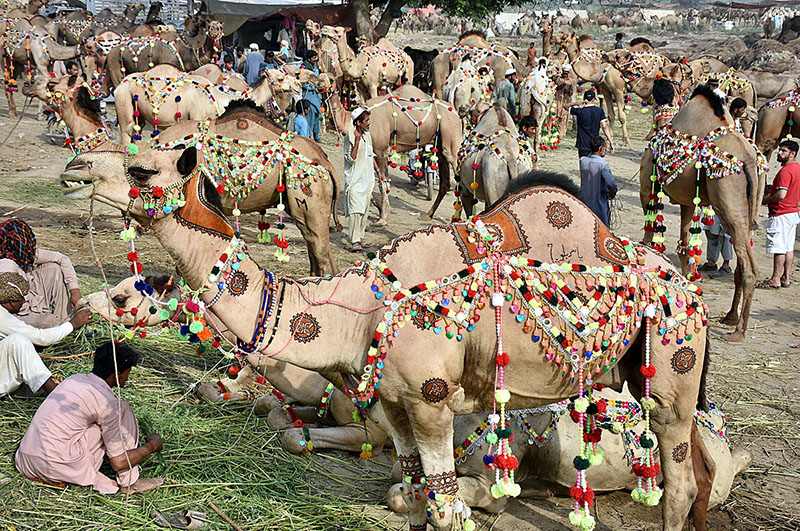
A vendor displaying sacrificial animal to attract the customers in connection with upcoming Eid-ul-Azha

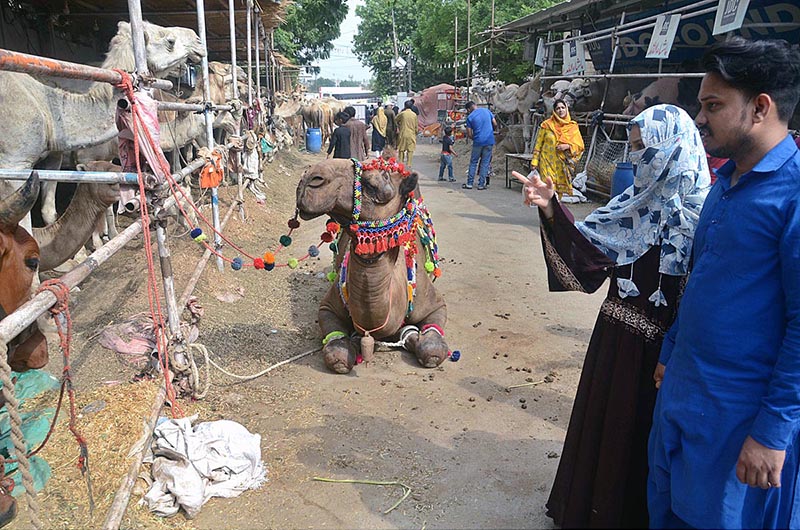
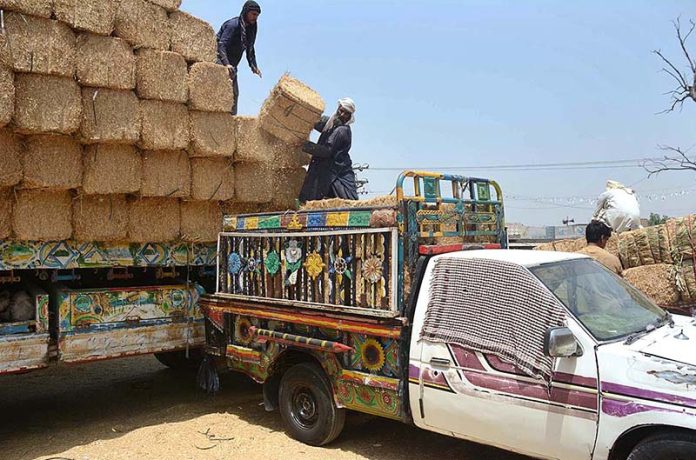
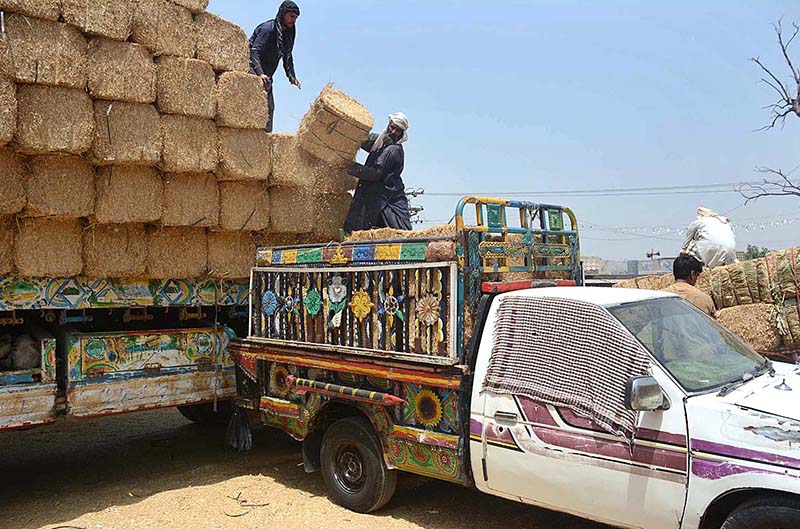
Labourers busy in loading dry fodder on delivery van at Sokano area in the city
At UN, Pakistan calls for protecting suffering people of Indian-occupied Kashmir, Palestine
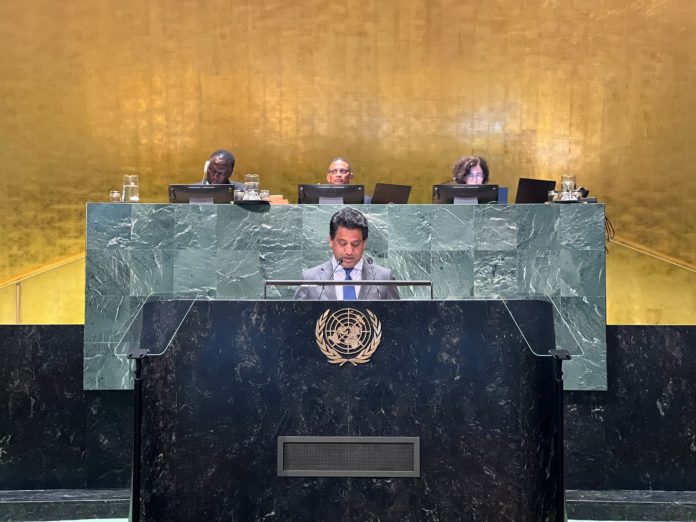
UNITED NATIONS, Jan 25 (APP): Pakistan has urged the advocates of the concept of ‘responsibility to protect’, or R2P, to apply it to safeguard the oppressed people of occupied Palestine and Indian-occupied Jammu and Kashmir.
“Apart from its abuse, the concept of R2P has also led to the criticism that some powerful states have failed to invoke R2P by showing hesitancy, either in condemning the massive human rights violations committed by so-called ‘strategic allies’ or by holding them accountable in the Security Council,” Ambassador Aamir Khan, deputy permanent representative of Pakistan to the UN, told the UN General Assembly on Monday.
One specific circumstance, where #R2P would surely apply, is in situations of foreign occupation or alien domination, such as, in occupied Palestine or in Indian-occupied Jammu & Kashmir, where voices to intervene to protect populations are unappealingly quiet:Amb Aamir Khan DPR pic.twitter.com/D2kZWjfqoE
— Permanent Mission of Pakistan to UN, NY (@PakistanUN_NY) June 27, 2023
Speaking in a debate on the responsibility to protect and the prevention of genocide, war crimes, ethnic cleansing and crimes against humanity, the Pakistani envoy said for more than 7 decades, India had, denied the right of self-determination to the Kashmiri people, in violation of multiple resolutions of the Security Council, prescribing a free and fair plebiscite.
India, he said, had deployed 900,000 troops, resorted to extra-judicial killings; forced abductions; collective punishments; and the incarceration of the entire political leadership of the All Parties Hurriyet Conference (APHC).
To this end, he said Pakistan had circulated a dossier with the evidence of 3,432 war crimes, committed by India’s officials in Jammu and Kashmir, while adding that Muslims’ persecution had become a ‘routine norm’ for India.
On Saturday, during a visit of Indian Home Minister Amit Shah to Jammu and Kashmir, Ambassador Aamir Khan said that Indian Army personnel stormed into a Mosque in Pulwama district of south Kashmir while Muslims were offering prayers and forced Muslims to chant ‘Jai Shri Ram’ against their will.
Noticing this dangerous trend, Professor Gregory Stanton, the founder of Genocide Watch, has warned that a genocide of Muslims could very well happen in India, it was pointed out.
“The International community, specially the advocates of R2P concept, must carefully analyze the devastating human rights situation that is transpiring in India as well as the occupied territory of Jammu and Kashmir,” the Pakistani envoy said.
(The concept of R2P rests upon three pillars: the responsibility of each State to protect its populations; the responsibility of the international community to assist States in protecting their populations; and the responsibility of the international community to protect when a State is manifestly failing to protect its populations.)
Aamir Khan said under the terms of R2P concept, the international community was expected to protect those in danger, but its selective application — driven by double standards and geopolitical considerations, undermined its credibility as a genuine humanitarian doctrine.
“To truly uphold the principle of accountability and protect vulnerable populations, a more nuanced and balanced approach that avoids selectivity and promotes objectivity and impartiality is necessary,” the Pakistani envoy added.
Ambassador Aamir Khan’s pointed words against Indian policies, evoked a response from an Indian representative, and a Pakistani delegate immediately countered it.
Kajal Bhat, counsellor in the Indian Mission to the UN exercised her right of reply and claimed that Jammu and Kashmir was an integral part of India.
Rabia Ijaz, second secretary in the Pakistani Mission to the UN, debunked Indian claims, saying that the representative of India did not address the facts regarding its deeply troubling trajectory of human rights, and asserted that Kashmir was an internationally recognized disputed territory, not a part of India. India has used terrorism as a State policy against its neighbours, Ms. Ijaz added.
Opening the debate, George Okoth-Obbo, Special Adviser of the Secretary-General on the Responsibility to Protect, introduced the ‘Report on the responsibility to protect and the prevention of genocide, war crimes, ethnic cleansing and crimes against humanity’.
He stressed that the debate was particularly evocative as countless civilians continued to be caught in situations of conflict and subjected to genocide and war crimes. The responsibility to protect thus remained as imperative today as when the world resounded ‘never again’ at the 2005 World Summit.
The report underlined that development can build the conditions for sustainable peace, he added. In underdevelopment, however, poverty, societal inequalities, human rights abuses and conflict can be drivers of atrocity crimes.
Recalling that ‘this annual debate is a reminder to us not to drift from our commitment, our duty, our responsibility to protect’, he stressed: “The lives of millions depend on that responsibility being given meaning.”
In the ensuing debate, speakers deliberated on whether the responsibility to protect was a principle or a notion, with many emphasizing that it was an inherent obligation of sovereign States under international law, while others pointed to the lack of consensus on its definition and scope.
APP/ift
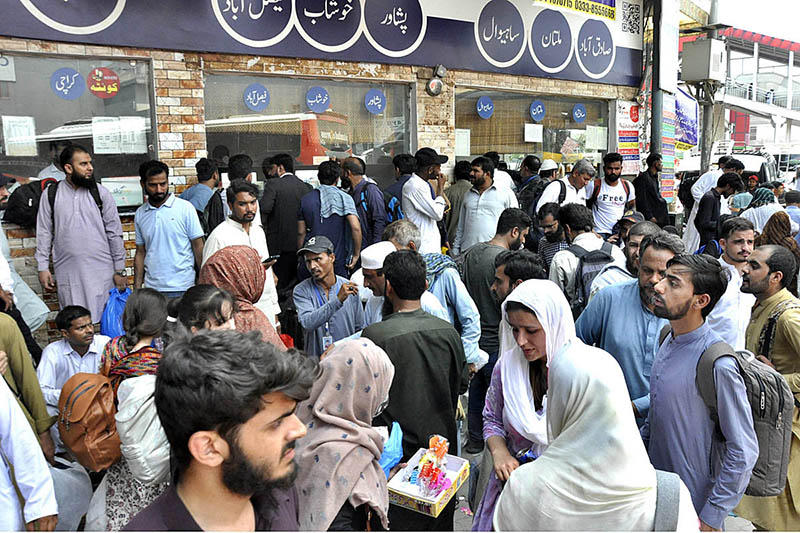
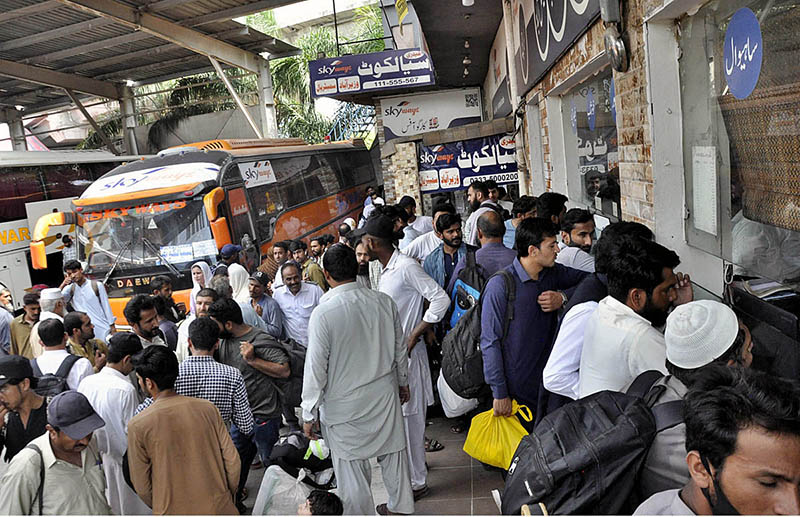
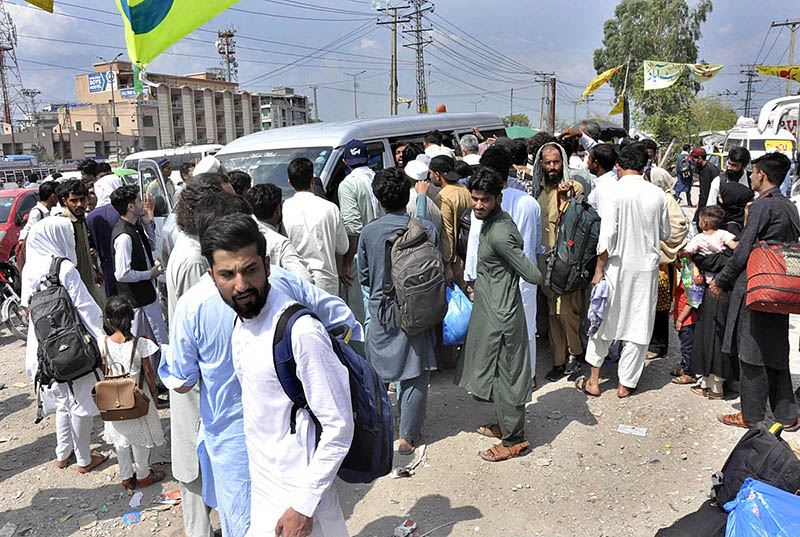
A large number of people purchasing tickets and waiting for transport to travel their hometowns at Faizabad Bus Stand to celebrate Eid ul Azha with their loved ones


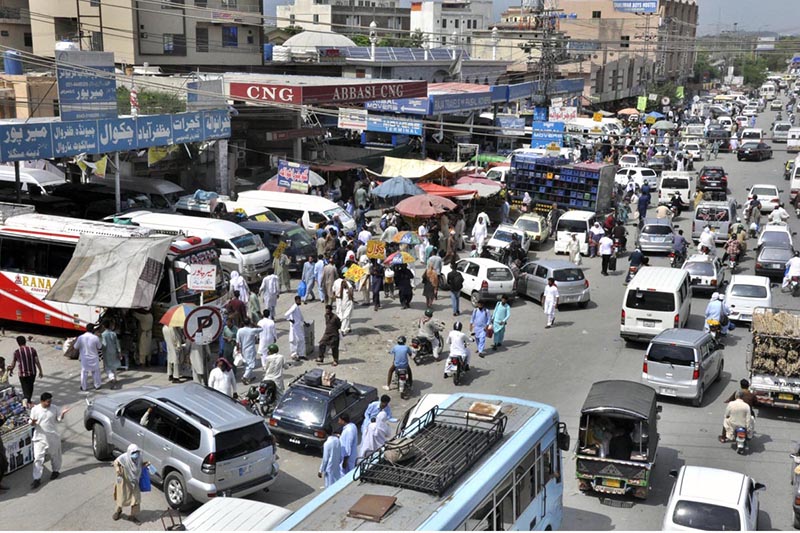
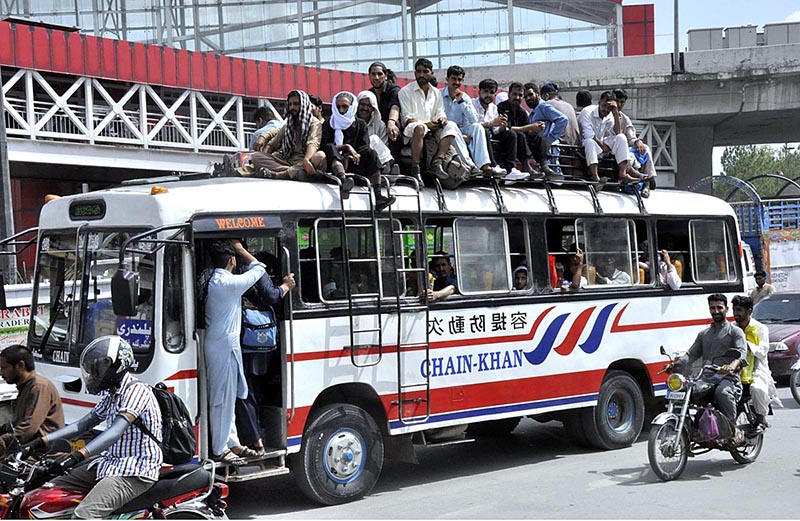
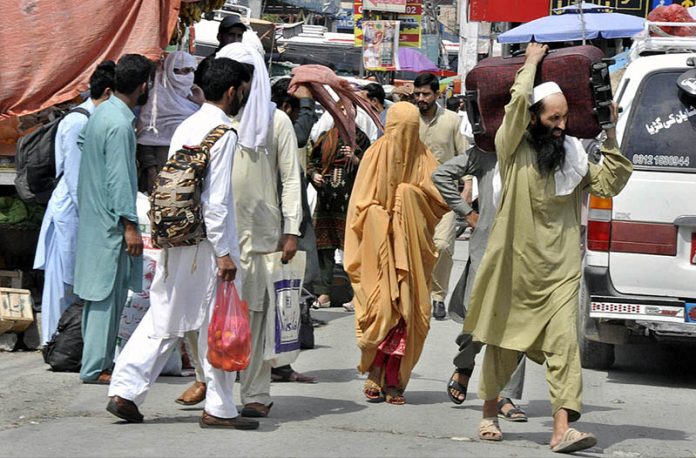
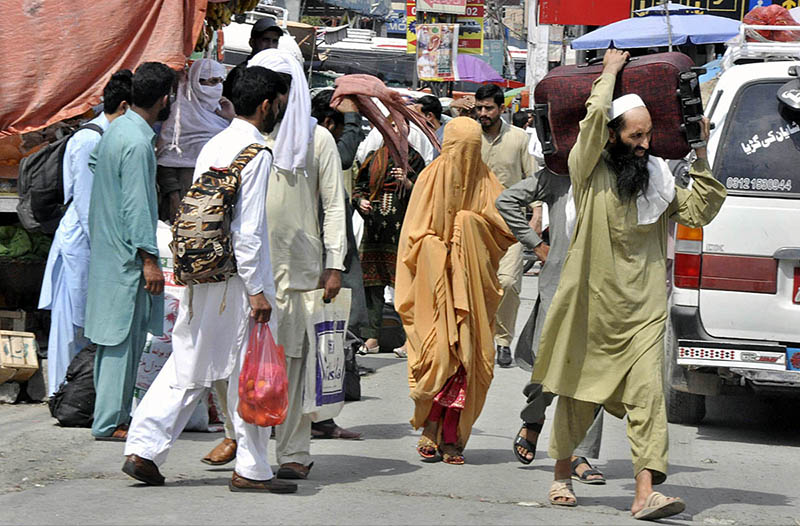
People with their luggage arrives at Faizabad Bus Stand to leave for their hometowns to celebrate Eid ul Azha with their loved ones
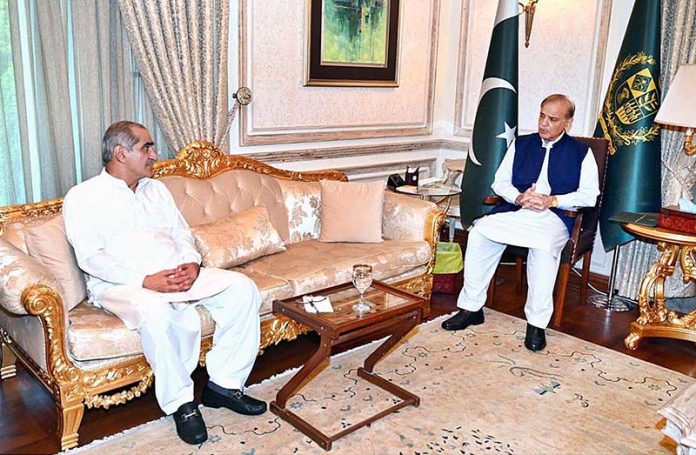
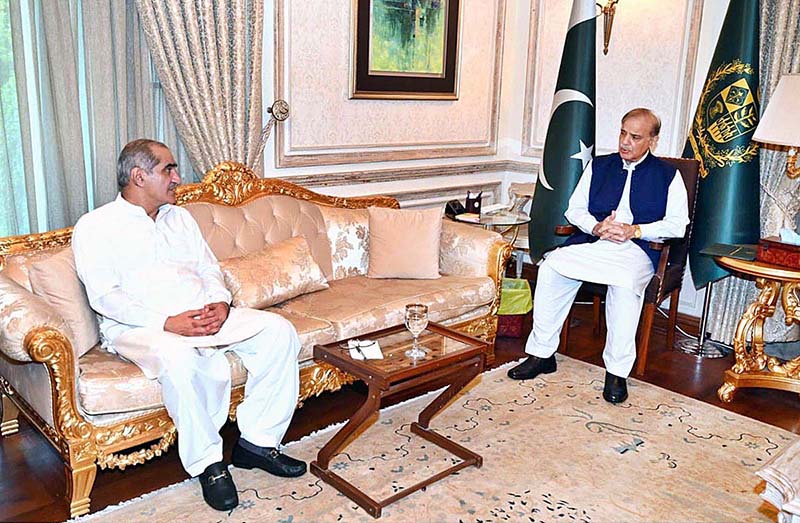
Federal Minister for Railways and Aviation, Khawaja Saad Rafique calls on Prime Minister Muhammad Shehbaz Sharif