Home Blog Page 13662

Muharram-ul-Harram: CII unveils comprehensive ‘code of conduct’ to foster peace, harmony

0

ISLAMABAD, Jul 22 (APP):The Council of Islamic Ideology (CII) on Saturday took a momentous step towards strengthening the values and principles that form the bedrock of Pakistan’s identity by unveiling a comprehensive ‘code of conduct’.

Addressing the press conference after a consultative meeting with prominent religious scholars and leaders, Chairman Dr Qibla Ayaz said the code, aimed at maintaining peace and tranquility, particularly in the Muharram-ul-Harram across the country, emphasized the importance of upholding the Constitution, respecting the dignity, and remaining loyal to the state under all circumstances.

He said the newly introduced code placed the duty on every citizen to acknowledge and abide by the constitutional authority of the state, demonstrating unwavering allegiance to it and its institutions.

He said the key aspects of the code revolved around upholding the dignity and respect of fundamental rights as outlined in the Constitution. This included the principles of equality, social and political rights, freedom of expression, belief, worship, and assembly, he added.

Muharram-ul-Harram: CII unveils comprehensive ‘code of conduct’ to foster peace, harmony

Dr Qibla said the Islamic foundation of Pakistan’s Constitution and laws would be preserved, with citizens being entitled to pursue peaceful efforts for the implementation of Shariah adding that to maintain the spirit of Shariah, the code strictly forbade any use of force in the name of Islam, armed actions against the state, violence, and incitement.

Additionally, he said no individual had the right to declare anyone, including government officials, military personnel, or security agencies, as infidels.

He urged the scholars and individuals from all walks of life to extend their support to the state and its institutions, particularly those responsible for law enforcement and security, to eradicate violence from society.

He said one crucial aspect of the code was the call for individuals to refrain from associating with movements driven by linguistic, regional, religious, or sectarian biases as the state stands firm in taking strict action against such groups to preserve unity and harmony.

Moreover, Dr Qibla said, “The code highlighted the importance of avoiding the imposition of personal views or ideologies on others, as it contradicts the spirit of Shariah and can lead to corruption.”

In the educational realm, he said, “Both private and government institutions, as well as religious educational establishments, must refrain from promoting militancy, extremism, and hatred alarming that those found involved in such activities would face legal consequences based on evidence and witnesses.”

He categorically stated that stringent administrative and punitive measures would be taken against those promoting extremism and violence, irrespective of their affiliation with any organization or ideology.

While all Islamic schools of thought have the right to propagate their beliefs and ideologies, he mentioned that the code strictly prohibited inciting hatred or making baseless accusations against individuals, institutions, or groups.

The chairman said the code underscored the sanctity of religious figures by stating that no person or group had the authority to say indecent words about the Prophet Muhammad (Peace be Upon Him), other prophets, the wives of the Prophet, the Ahl-e-Bayt, the Rightly Guided Caliphs, or the companions.”

“However, the decisions regarding blasphemy cases would be under the purview of the courts,” he added.

Dr Qibla said, “The code ensured that no individual shall declare another Muslim as a non-believer adding that only qualified religious scholars could discuss Islamic principles based on religious doctrines, and decisions on apostasy would be determined by the courts in accordance with the Constitution.”

In a resolute stance against terrorism, he said the code forbade any individual from supporting or engaging in any form of terrorism, promoting mental or physical training for terrorists, or participating in terrorist activities.

He said the code encouraged healthy discussions on Islamic jurisprudence and theoretical issues in educational institutions, providing appropriate platforms for research and investigation.

Additionally, he said it highlighted the responsibility of all Muslim citizens and government officials to fulfill their duties in accordance with Islamic teachings and the Constitution.

The chairman said Islam’s teachings regarding the rights of elderly citizens, women, children, transgender individuals, and all marginalized groups would be disseminated at all levels, ensuring their protection and well-being.

Dr Qibla said the code also acknowledged the rights of non-Muslim citizens to practice their religion and religious rituals according to their beliefs, promoting religious freedom and inclusivity.

Upholding the protection of women’s rights, he said the code strictly prohibited any individual from depriving women of their voting rights, education, employment, or causing damage to their educational institutions.

Acts of honor killing, forced marriage, coercion, or voter disenfranchisement were strictly forbidden, he maintained.

To promote a peaceful environment, he said the code prohibited any individual from delivering hate-filled speeches in mosques, on pulpits, or during gatherings adding that similarly, contentious discussions related to sectarian issues on media platforms were strictly discouraged.

He said freedom of expression should be exercised responsibly, with a view to preventing the spread of sectarian hatred and safeguarding the country’s Islamic identity.

By adhering to this comprehensive code of conduct, he said Pakistan aimed at promoting unity, tolerance, and harmony among its citizens, fostering a society that upholds ethical values in the light of Paigham-e-Pakistan.

The chairman said the CII called upon all citizens to embrace the code of conduct, working together to strengthen the values and principles that underpin the country’s spirit of unity and harmony.

Meanwhile, Pakistan Ulema Council Chairman and Prime Minister’s Special Representative on Interfaith Harmony and Middle East Hafiz Muhammad Tahir Mahmood Ashrafi informed that the CII had also condemned the burning incident of the Holy Quran in Sweden in the strongest terms.

He said the council had emphasized the need to legislate at the international level to discourage the reoccurrence of such indecent incidents causing religious disharmony in the comity of nations immensely.
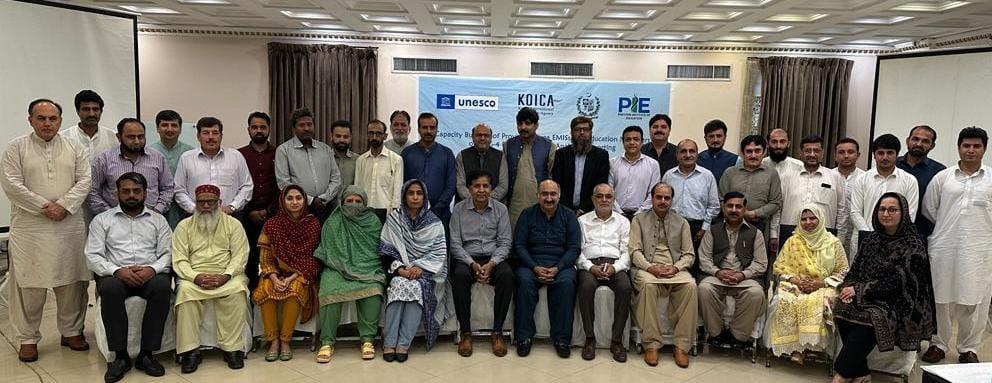
SDG-4 workshop series concludes

0

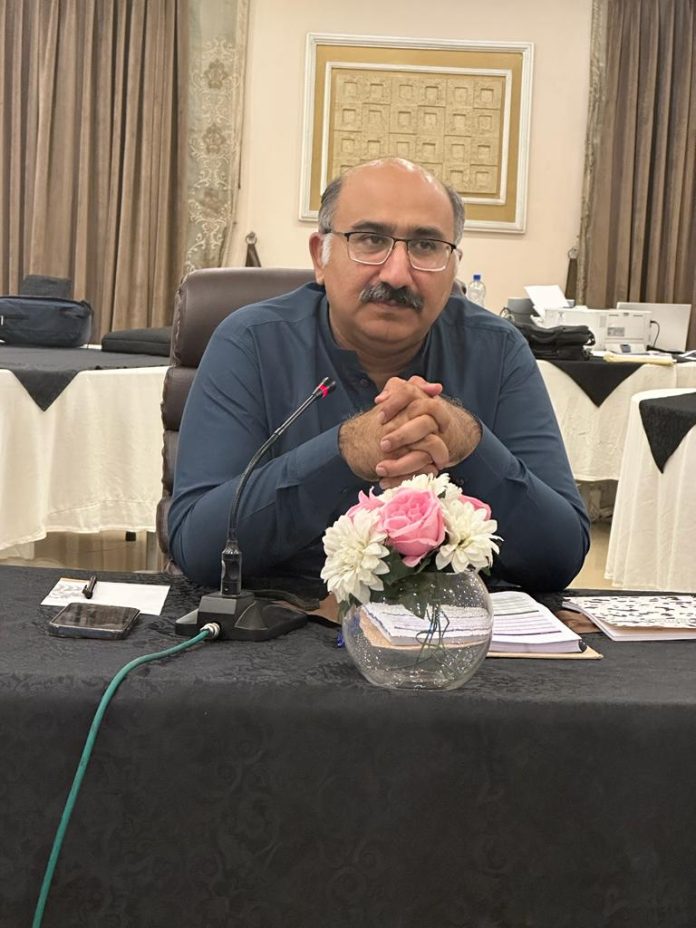
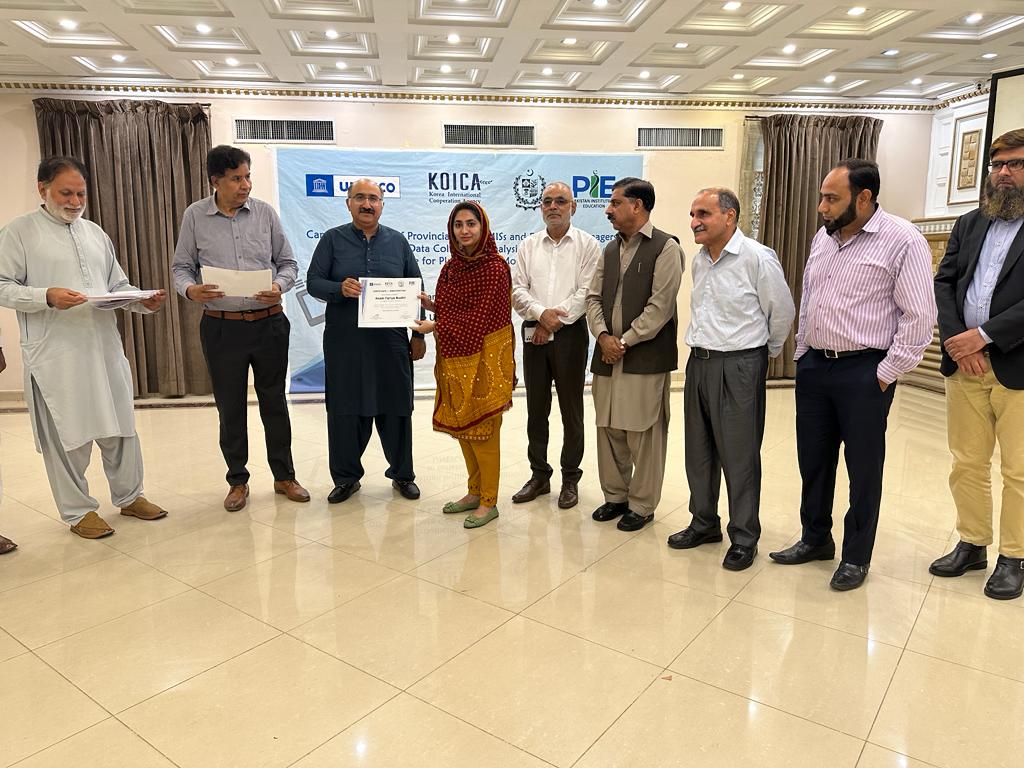
ISLAMABAD, Jul 22 (APP): The Pakistan Institute of Education has effectively concluded a series of three Capacity Building Workshops focused on SDG-4 (Sustainable Development Goal 4).

The third and final workshop is presently underway at the Luxus Grand Hotel in Lahore, taking place from July 20-22.

The initial two workshops catered to participants from Islamabad Capital Territory (ICT), Gilgit-Baltistan (GB), Azad Jammu and Kashmir (AJK), Sindh, and Balochistan, and they have already been successfully completed, according to a press release issued here on Saturday.

During the closing session, Dr Muhammad Shahid Soroya, the Director-General of PIE, presided over the event and expressed gratitude for UNESCO’s valuable support in organizing the Capacity Building Workshop.

SDG-4 workshop series concludes

He encouraged participants to provide feedback to enhance future endeavors. Additionally, he shared insights into various projects, initiatives, and interventions, with a specific focus on the Development of Out-of-School Children (OOSC) programs by PIE.

Dr Soroya also highlighted some key accomplishments of PIE in recent months, which included the creation of a comprehensive Training Manual for conducting these workshops.

Furthermore, he mentioned the institute’s significant contributions in providing technical input for the SDG-4 Mid-Term Review and its active participation in LaNA (Learning Assessment of National Accounts).

The School Education Department Punjab played a key role in organizing and supporting the Workshop. Kulsum Saqib, the Special Secretary SED, Government of Punjab, presided over the inaugural session, where she expressed her gratitude to the Ministry of Education Islamabad and UNESCO for conducting this essential training on SDG-4.

The workshop aims to enhance the capacity of EMIS professionals in comprehending, calculating, interpreting, and utilizing data related to SDG-4, thus fostering valuable skills in this domain.

SDG-4 workshop series concludes

Federal Government has established the Pakistan Institute of Education (PIE) as a premier entity of the Ministry of Federal Education and Professional Training by merging its two sub-ordinate departments Academy of Educational Planning and Management (AEPAM) and National Education Assessment System (NEAS) to produce quality and reliable qualitative and quantitative education statistics to guide policy, planning, management, and monitoring at various administrative levels.

Efficient planning and policy making, particularly in implementing equity-based targeted interventions throughout Pakistan, have been hindered by the challenge of obtaining reliable and timely data.

The National and Provincial EMISs make significant efforts to generate quality education data to cater to the requirements of policymakers and decision-makers. However, certain gaps and shortcomings in education data persist, posing obstacles to the policy and planning process.

The Provincial/Area EMIS teams face a deficiency in statistical capacities for effectively processing and computing education indicators, particularly concerning SDG-4.

It is of utmost importance to provide Capacity Building opportunities to these teams, focusing on education data standards, methodologies, norms, procedures, and practices. This will empower them to produce high-quality education data.

Strengthening the technical personnel’s skills will play a pivotal role in generating reliable data, enabling the development of evidence-based interventions with significant impact.

Against this background, NEMIS-PIE and UNESCO joined forces to conduct a comprehensive assessment of stakeholders and data-producing agencies.

The main focus was to identify the gaps, needs, and challenges related to data production, analysis and its utilization for effective policy and planning purposes.

The assessment revealed that stakeholders lack the necessary technical skills and capacities to generate high-quality data and indicators. As a result, NEMIS-PIE and UNESCO have collaborated to organize a series of workshops aimed at Capacity Building for Provincial/Area EMISs and Education Managers. These workshops will primarily focus on SDG-4 Data Collection, Analysis, Reporting, and its strategic use for planning and monitoring purposes.

A comprehensive Training Needs Assessment was carried out to evaluate the capabilities of the provincial/area EMIS teams. Based on the assessment findings, a tailored training manual has been created to enhance the knowledge and skills of the EMIS teams in areas such as SDG-4 benchmarking, data collection, analysis, and reporting.

The workshop successfully raised awareness among education managers and policymakers regarding SDG-4 data production and its effective use through advocacy workshops. Throughout the three-day event, participants engaged in hands-on exercises, case studies, and scenario exercises using real-world data.

The training also covered the production of education indicators from diverse sources, such as administrative data, household surveys, monitoring, and censuses.

Moreover, extensive discussions were held on various aspects of data quality, ethics, analysis, and utilization.

During the concluding remarks, Dr Shahid Soroya highlighted the collective efforts of stakeholders in generating high-quality data using standardized methodologies and interpretation.

He expressed optimism that the skills and knowledge acquired during the workshop would be effectively applied and utilized by the participants in their official capacities, leading to the production of quality data and its meaningful integration into policy and planning processes.

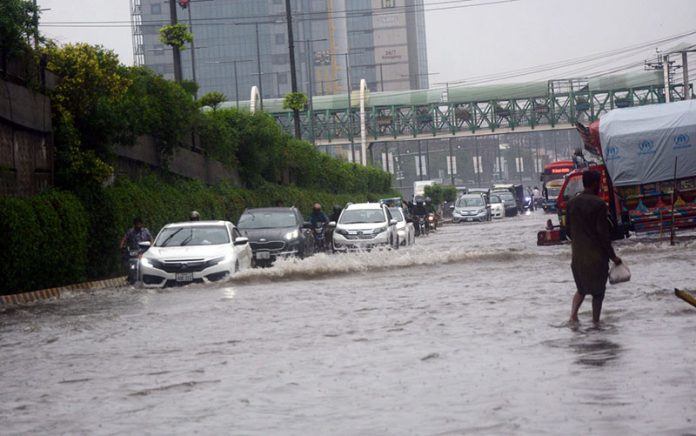
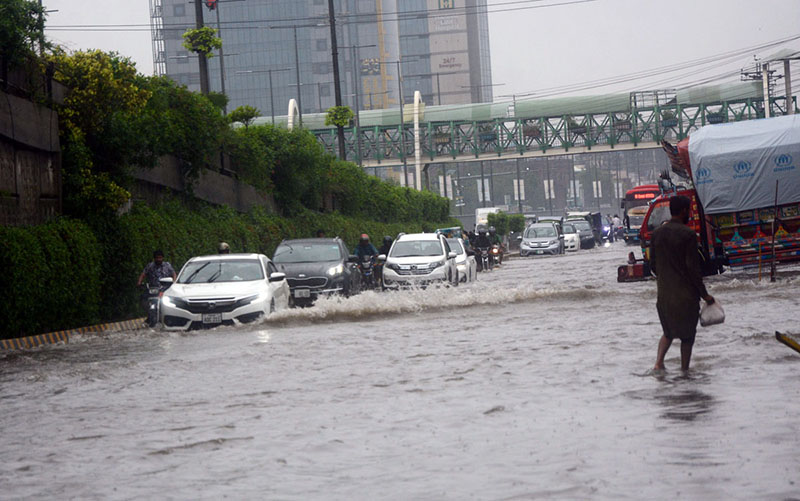
Vehicles crossing flooded water after heavy rain that experience in the provincial capital

0
Vehicles crossing flooded water after heavy rain that experience in the provincial capital
APP09-220723 LAHORE: July 22 - Vehicles crossing flooded water after heavy rain that experience in the provincial capital. APP/AHF/FHA
Vehicles crossing flooded water after heavy rain that experience in the provincial capital
APP09-220723 LAHORE:
Vehicles crossing flooded water after heavy rain that experience in the provincial capital
APP10-220723 LAHORE: July 22 – Children enjoying during the monsoon rain in the City. APP/AMI/FHA

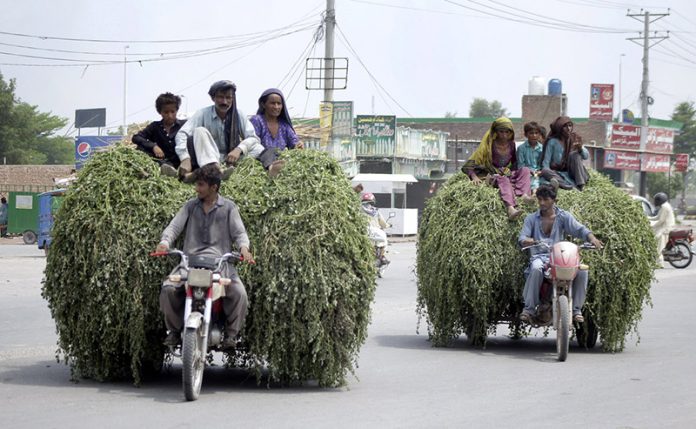
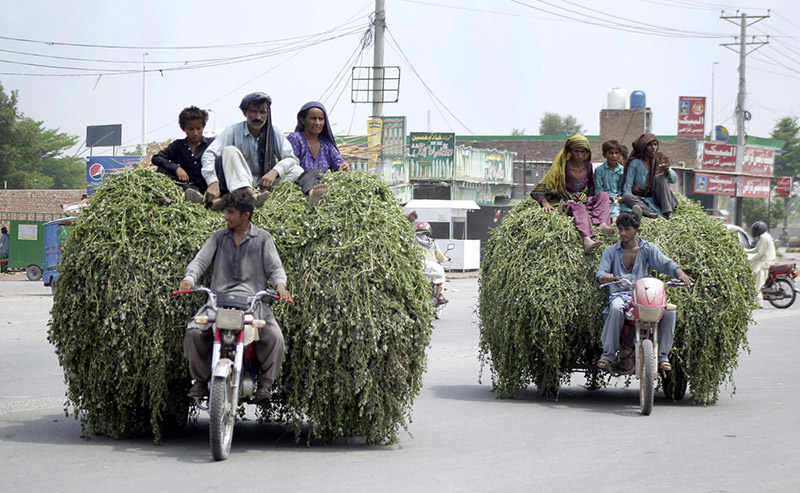
Gypsy families traveling on the tricycle rickshaw loaded with a fodder for animals

0
Gypsy families traveling on the tricycle rickshaw loaded with a fodder for animals
APP08-220723 MULTAN: July 22 - Gypsy families traveling on the tricycle rickshaw loaded with a fodder for animals. APP/TVE/FHA
Gypsy families traveling on the tricycle rickshaw loaded with a fodder for animals
APP08-220723 MULTAN:

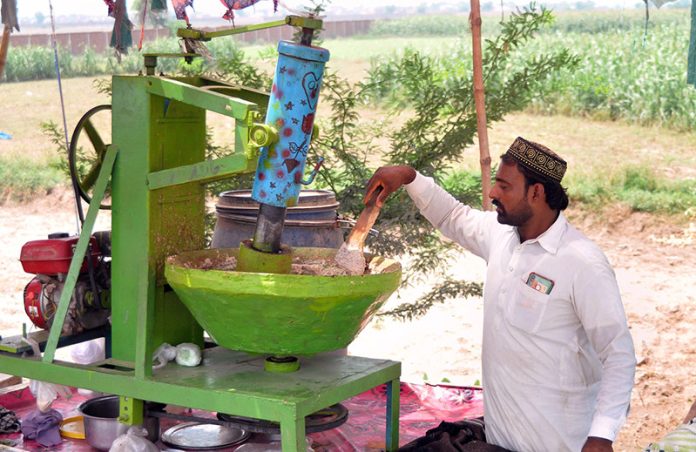
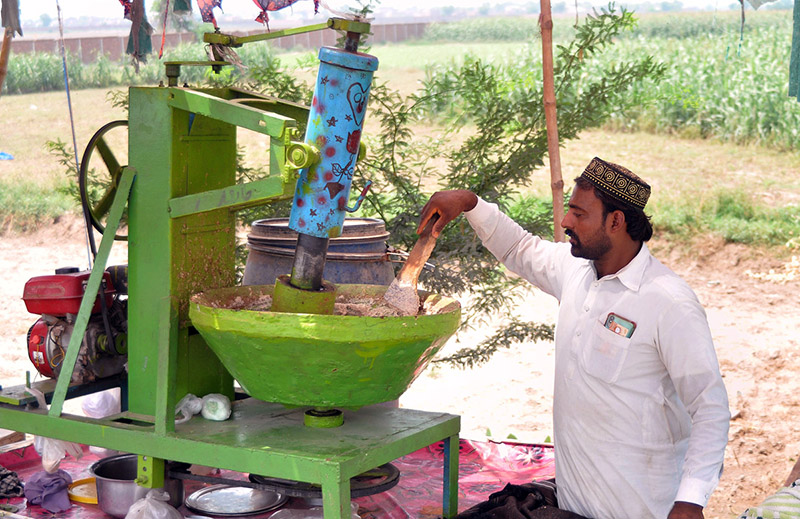
A vendor is busy in preparing a traditional summer drink (Sardai) for customers at his roadside setup

0
A vendor is busy in preparing a traditional summer drink (Sardai) for customers at his roadside setup
APP07-220723 MULTAN: July 22 - A vendor is busy in preparing a traditional summer drink (Sardai) for customers at his roadside setup. APP/TVE/FHA
A vendor is busy in preparing a traditional summer drink (Sardai) for customers at his roadside setup
APP07-220723 MULTAN:

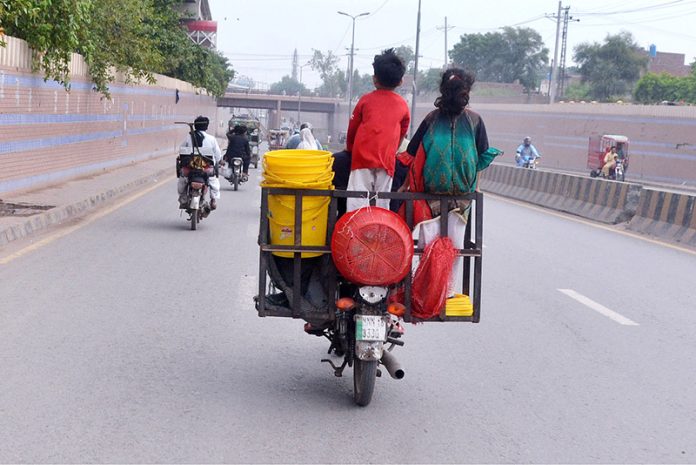
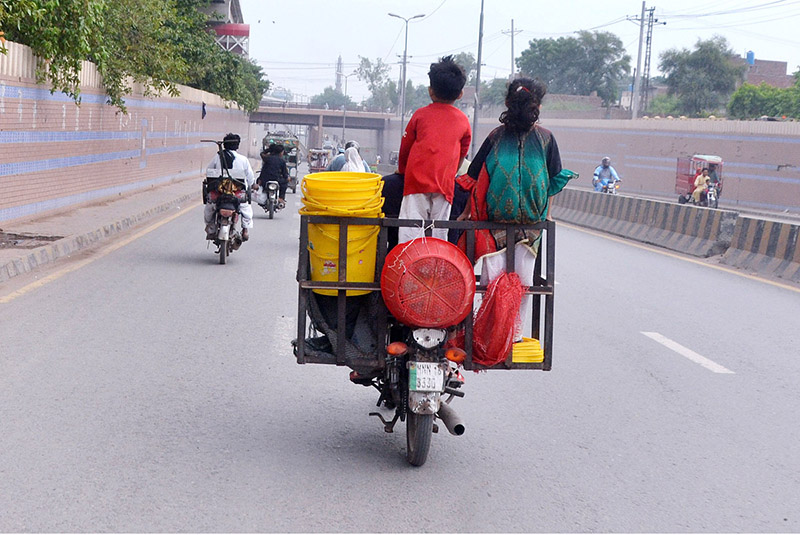
Motorcyclist on the way along children standing on the Iron cage of rear seat may cause any mishap

0
Motorcyclist on the way along children standing on the Iron cage of rear seat may cause any mishap
APP06-220723 MULTAN: July 22 - Motorcyclist on the way along children standing on the Iron cage of rear seat may cause any mishap. APP/SFD/FHA
Motorcyclist on the way along children standing on the Iron cage of rear seat may cause any mishap
APP06-220723 MULTAN:

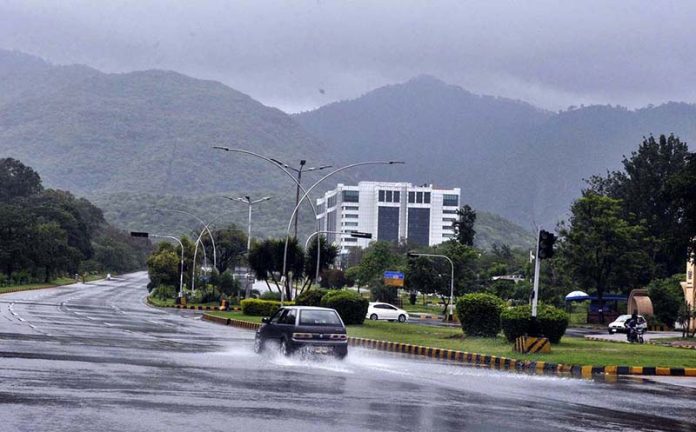
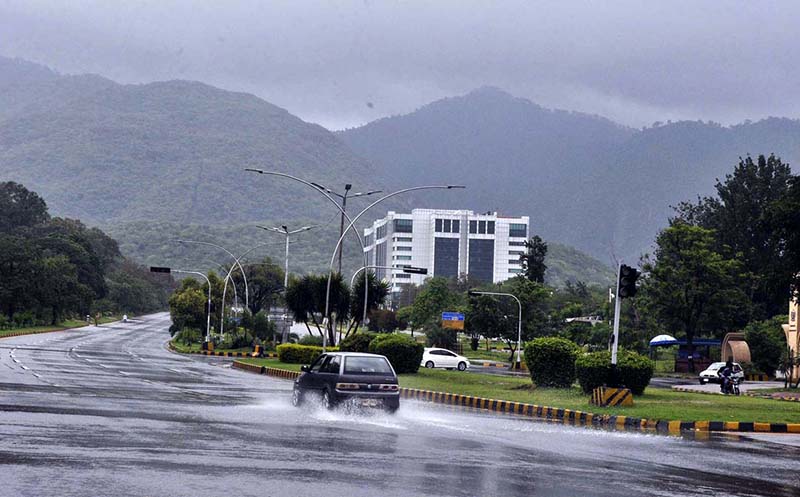
An attractive view of clouds hovering over the sky after rain in the Federal Capital

0
An attractive view of clouds hovering over the sky after rain in the Federal Capital.
APP05-220723 ISLAMABAD: July 22 - An attractive view of clouds hovering over the sky after rain in the Federal Capital. APP/SMR/FHA
An attractive view of clouds hovering over the sky after rain in the Federal Capital
APP05-220723 ISLAMABAD:

PM underlines significance of continuity of policies thru charter of economy, democracy

0
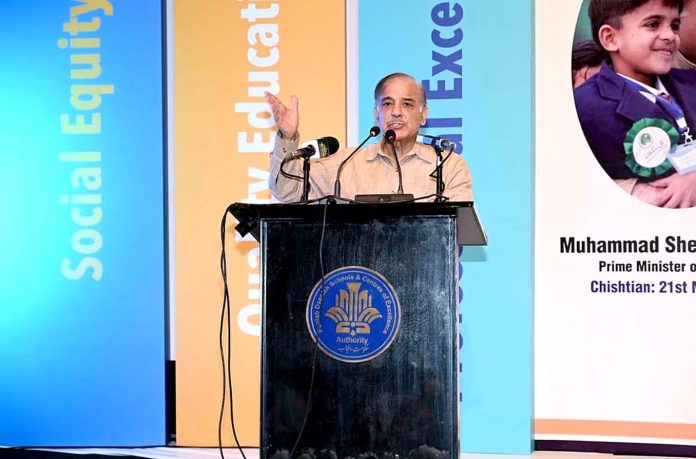
LAHORE: July 22 - Prime Minister Muhammad Shehbaz Sharif addressing the ceremony of merit-based distribution of laptops to high- achieving students of Danish School under the Prime Minister’s Youth Laptop Scheme. APP

LAHORE, July 22 (APP): Prime Minister Muhammad Shehbaz Sharif on Saturday once again called for a charter of economy and democracy for the sake of continuity of policies and for the prosperous future of the country.

Addressing a ceremony to award laptops to talented students of Danish Schools System, the prime minister regretted that the false allegations of thefts and corruption had divided the nation and spread venom.

He said during the past 15 months of the coalition government, they had faced issues like floods, price hike and IMF agreement but he had never witnessed such a bitter divide in the society throughout his life.

The prime minister said that in different parts of the world, elections were being held, but the worst divide which had been created in Pakistan, had destroyed the country’s progress and prosperity.

He stressed that a charter of economy and democracy would ensure continuity in policies, irrespective of change of governments, as had been pursued by different countries of the world.

The prime minister called upon all to realize the issues confronted by the country.

Terming the IMF’s agreement as ‘a breather for the country’, he stressed that they should convert it it into an opportunity, adding that it was also a moment of introspection for all.

“They should bury their differences and become one and if they decide it, then nothing could hinder the country from moving on the path of progress and prosperity. We have to resolve to equip young generations with the latest education especially the poor and deprived classes,” He added.  

The prime minister maintained that Pakistan was blessed with natural resources, but these could not be fully explored rather the country had paid huge amounts on litigation abroad.

He said the disparity among different segments of society was not permissible in the country conceived by Quaid e Azam Muhammad Ali Jinnah.

The ceremony was attended by Caretaker Chief Minister Syed Mohsin Naqvi, parliamentarians, relevant authorities  and a large number of students.

The prime minister congratulated the students on their success and said they owed their success due to their talent and hard work and the dedication of their teachers, management and the provincial government’s support.

The prime minister recollected that when Danish schools were established, they had faced stiff resistance from different quarters.

Today Danish schools, had become a model institutions for the those students who could not afford expensive private education, he added. The prime minister vowed to construct similar projects across the country if came to power after the upcoming elections.

He said if these students were deprived of such educational facilities, they would have wasted in the wilderness of the backward areas, but now these schools have turned them into gems.

He said about 50,000 students were being imparted education in the Danish schools.

The prime minister said that no nation could aspire to achieve progress unless its youth were properly educated.

Citing the laptop scheme, he said during Covid 19, the students continued their studies with the facility of laptops and became freelancers and now were earning respectable earnings.

PM’s Special Assistant on Youth Affairs Shaza Fatema Khawaja also briefed the gathering about the government’s various launched projects for the young people.

Rana Mashood, a PML-N leader and former provincial minister, in his remarks, highlighted the initiatives launched during the provincial government of PML-N under the leadership of Khadem-e-Ala of Punjab.

Earlier, different students narrated their success stories and expressed their gratitude to the prime minister for enabling them to pursue their studies at Danish Schools.

On the occasion, the prime minister also distributed laptops and cheques among the outstanding students.   

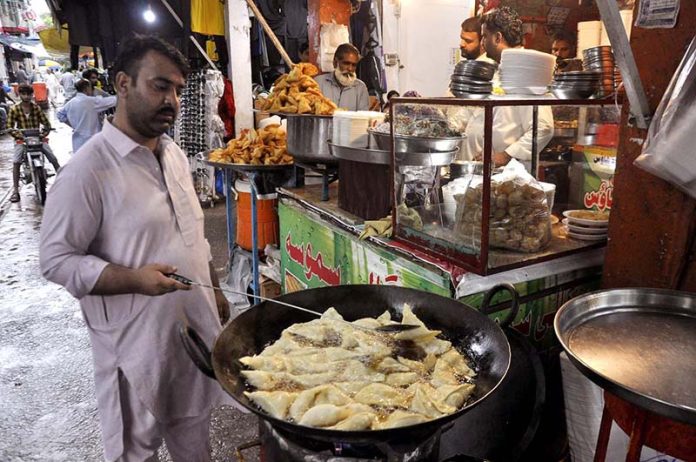
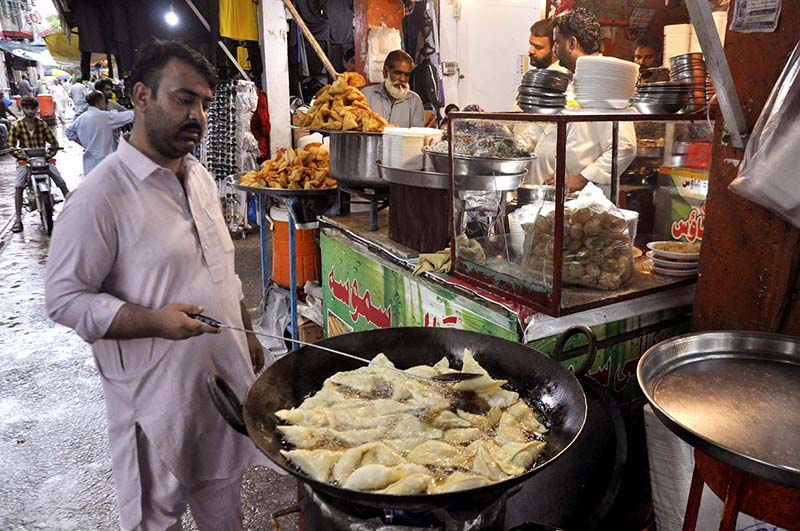
A vendor busy in frying traditional food item (samosa) for customers during rain at his shop in the Federal Capital

0
A vendor busy in frying traditional food item (samosa) for customers during rain at his shop in the Federal Capital.
APP04-220723 ISLAMABAD: July 22 - A vendor busy in frying traditional food item (samosa) for customers during rain at his shop in the Federal Capital. APP/SMR/FHA
A vendor busy in frying traditional food item (samosa) for customers during rain at his shop in the Federal Capital
APP04-220723 ISLAMABAD:

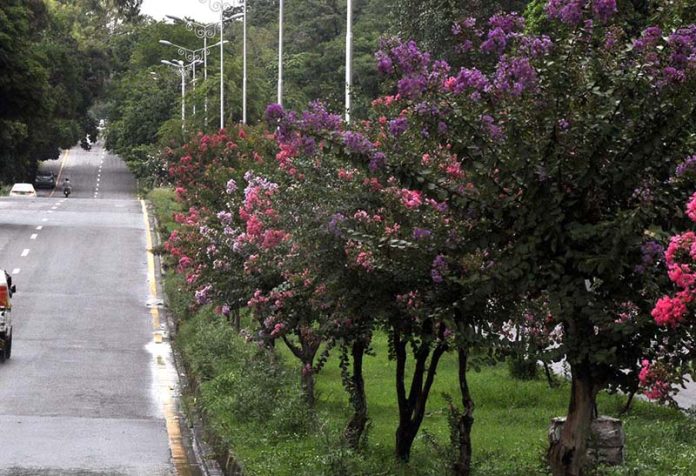
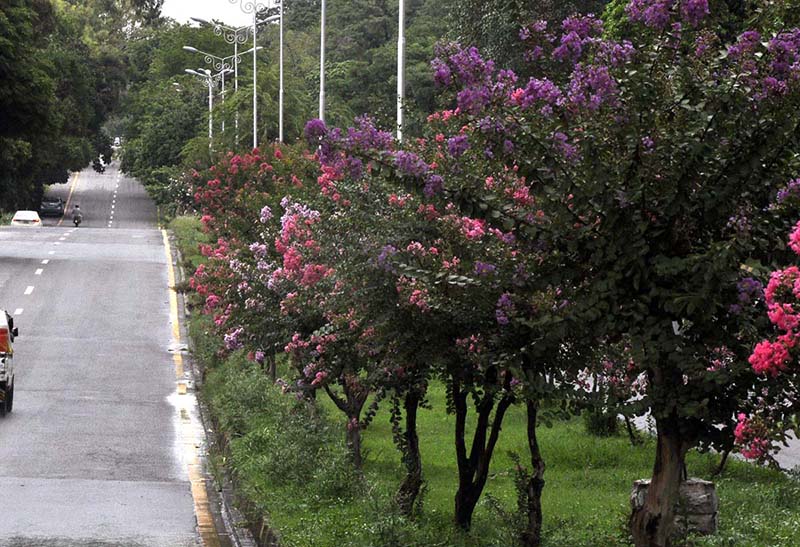
An attractive view of seasonal flowers flourishing and blooming after rain at roadside in the Federal Capital

0
An attractive view of seasonal flowers flourishing and blooming after rain at roadside in the Federal Capital.
APP03-220723 ISLAMABAD: July 22 - An attractive view of seasonal flowers flourishing and blooming after rain at roadside in the Federal Capital. APP/SMR/FHA
An attractive view of seasonal flowers flourishing and blooming after rain at roadside in the Federal Capital
APP03-220723 ISLAMABAD: