Home Blog Page 13011

FTO Coordinator stresses reforms for balancing growth, debt in emerging markets

0
FTO
ISLAMABAD, Sep 17 (APP):Coordinator to Federal Tax Ombudsman (FTO) Meher Kashif Younis on Sunday emphasized the need for reforms to enhance market efficiency and address the economic challenges faced by emerging markets and developing economies.
Speaking at a seminar on “Reforms a key to growth” held under the aegis of Gold Ring Economic Forum, a strategic think tank, he said countries that enacted reforms saw their debt-to-GDP ratios fall by 3 percentage, on average, over a multi-year period, said a news release issued here.
He said market reforms can stabilise debt and foster growth in developing countries.
He said the global economy has experienced multiple shocks in the past three years. Emerging markets and developing economies not only need to reignite growth and secure a full recovery, but they also must manage rising debt and other policy considerations, he added.
He said regulatory changes and other market reforms can ease this challenge, and a decline in a key measure of debt burdens takes place not only by increasing GDP but also by improving public finances through higher tax revenues and lower borrowing costs.
He said due to the large gap in how well markets function between advanced and developing economies, there is considerable scope for governments to use market reforms as a policy lever to revitalize growth and reduce debt burdens in developing economies.
Meher Kashif Younis said by increasing competition or establishing appropriate regulatory frameworks, can boost economic output.
He said improved market functioning not only lowers the debt ratio through the denominator effect but also strengthens fiscal outcomes and helps reduce new borrowing.
He said some reforms work better than others like the debt reduction associated with reforms is larger when governments are better at collecting taxes, have higher initial debt, and implement reforms during an economic expansion.
Historically, developing countries have used some of the fiscal gains from reforms to fund other policy initiatives.
Challenges from the political dynamics during the implementation period have also limited the fiscal gains.
Spending carefully is a key factor for reforms to successfully reduce debt ratios, he added.

453 held with contraband in last 15 days

0
SIALKOT, Sep 17 (APP):The district police arrested 453 people with narcotics and illicit weapons during the last 15 days.
In a drive against criminals and anti-social elements, the police arrested 281 court absconders, 74 drug-pushers, 88 people for possessing illicit weapons and 10 one-wheelers from various parts of the district during last 15 days.
Police registered 944 cases against the electricity thieves.
The police also recovered 98kg narcotics (hashish, heroin and ice), 411 litres of liquor, 90 illicit weapons (Kalashnikovs, pistols, rifles) and 58 mobile phones from the accused possession.

Centuries old drum beating culture keeps alive in KP despite mushroom growth of social media

0

PESHAWAR, Sep 17 (APP): Known as a city of musicians and artists, Peshawar has kept alive the centuries-old tradition of drum beating, which is making weddings, birthday parties and other festivals more enchanting and colourful.

Despite the mushroom growth of social media and information technology, the dhol players have started roaring business during marriages, birthday parties and other celebrated occasions in Peshawar after the dropping of temperature in KP.

Peshawar has produced legendary musicians and artists of the calibre of Khyal Muhammad, Rafiq Shinwari, Firdus Jamal, Qavi Khan Javed Babar and Yousaf Khan (Dilip Kumar) who ruled in Pakistani and Indian cinemas.

Cleaning his dhol with a long white handkerchief, a drum-beater Zulfiqar alias Bhutto (47) often came to Peshawar cantonment where he sat in Fakhar e Alam Road’s square before his services were hired for marriages, birthdays and other festivals, especially on the weekend.

“I had entered into the dhol beating profession after the death of my father 20 years ago and come to Fakhar Alam Road’s green shadi hall square from Changarabad with a hope to earn maximum business on Saturday and Sunday,” Zulfiqar, who cleaned perspirations with handkerchief told APP.

“The drum beaters have pinned high hops from winter season due to an increase of marriages, engagements, festivals and hopefully the upcoming winter would bring happiness to the price hike hit community,” he said, adding the cost of dhols were also increased due to price hike and inflation.

“Two years ago, the price of a dhol was Rs20,000 along with beating plates that now jumped to Rs30,000,” he said, adding poor drummers economically suffer in case damage to their dhols,” he said.

“Mostly during monsoon season, the dhol with a beating plate of skin gets dampened and also affected in hot weather conditions, incurring substantial financial losses to them,” he said, adding plastic beating plates were mostly imported from abroad works for longer periods of time.

Naseeb Ali, another dhol player, who belonged to Lahore said that he was proud of his profession that helped his children attain up to university level education.

He said that drum beaters were being preferred over DJs because it was cost-efficient and required no electricity or expensive arrangements.

Known as Ustad, Naseeb said, “I had sent two dhols for repair and the third one inherited from my elder brother was being used in marriages, birthday parties, mehndi, political gatherings, weeding and other joyful occasions,” he said.

He hoped that their business would further shine during the upcoming General Elections.

“The earning of a dhol player depends upon the financial position of the hired party. Sometimes, we earn Rs5,000 and sometimes pocket Rs20,000 per program on weekend,” he said, adding a pair of dhol players normally charges Rs2,000 from the clients per program.

On weekends, the traditional drum-beaters were also seen waiting for customers at Ghandhara and Hayatabad Chowk where dhol lovers hire them for festivals. The people paid thousands to these drummers wearing white and yellow dresses in spite of advance music equipment and DJs to give a traditional touch to their weddings.

“I came to Green Shadi Hall Chowk to hire a pair of dhol players for engagement of my son that was cost efficient compared to DJs besides can easily be performed in indoor function and outdoor activities” said Haider Zaman, a resident of Wapda Town Peshawar.

Haider said that his father had also hired a traditional dhol player during his marriage 40 years ago.

Renowned TV star, Javed Babar (pride of performance) said in the past when a Pashto or Urdu film was released in the city, thousands of film lovers on drumbeats gathered outside the cinema houses and cheered for their favourite hero/heroine that was “now hardly seen today” in Peshawar due to growth of social media platforms.

He said one decade ago cinema was flourishing earning maximum capital with significant contributions by drummers to mobilize fans while in recent years its growth was adversely affected by the mushroom growth of social media platforms.

He said Peshawar has started losing the decades-old cinema houses, which have been converted into trade and commercial plazas depriving thousands of film lovers of entertainment.

Despite rich cultural heritage, Peshawar had lost seven cinemas due to a lack of production of new films in Urdu and Pashto, high property taxes on cinemas, security concerns and commercialization.

Out of 15 cinemas in Peshawar, the seven oldest cinema houses including Shabistan (Firdus), Palwasha, Capital, Falak Sair, Novelty, Metro, Sabrina and Ihsrat were demolished and converted into trade and commercial centres and hotels for monetary gains.

The remaining few cinemas in Peshawar City including Arshad Cinema, Sabreena, Aaeena, Naz and Shama also seemed mostly deserted due to the unavailability of new films, high-production film cost, pathetic seating facilities and unsatisfactory approach by the past governments towards the film industry.

“I came to Peshawar to watch my favourite Pashto film at Arshad Cinema after the closure of two cinemas including ‘Taj’ in Mardan and was very disappointed after seeing limited numbers of movie fans,” said Nasir Khan, a Pashto film lover and resident of Katlang Mardan City.

He said the revival of cinema was imperative for education, Information and infotainment.

Gohar Khan, Manager of Sabrina Cinema, told APP that services of traditional dhol players were hired before the screening of new films to attract people.

He said cinema culture was declining in Peshawar due to poor quality of films, camera work and price hikes besides mushroom growth of cinema as dhol culture.

He said the rising monthly energy bills, staff salaries and property taxes had added to the financial difficulties of cinema owners.

The experts demanded special packages for cinema owners, producers and directors to promote the entertainment industry in Khyber Pakhtunkhwa. They also urged Govt to provide financial relief to dhol players affected by the coronavirus pandemic.

Cultural icon ‘Charpoy’ faces urban challenge but retains rural appeal

0
MULTAN, Sep 17 (APP):In a changing world where fashion and style continually evolve, the traditional ‘Charpoy’ – a symbol of cultural identity in the subcontinent – is undergoing a transformation of its own.
Once an integral part of the urban fabric, the Charpoy, a light bed made of wood intricately knitted with palm leaves, ropes, or jute, is gradually fading from the urban landscape.
Traditionally, Charpoys are crafted from wood, with beautifully carved or painted feet called ‘Poys’.
 The knitted surface is skillfully woven using date palm leaves or jute rope by expert artisans. In contemporary times, innovative adaptations have led to Charpoys crafted from iron pipes, knitted with plastic ropes, catering to changing tastes.
The charm of the Charpoy remains alive and well in rural areas of Pakistan, where it continues to serve as a place to sit and sleep at night. It is an integral part of hospitality, with guests often offered a Charpoy to relax. Notably, the world’s largest Charpoy, known as the “Hamacha” in local parlance, can be found in Dera Ghazi Khan, accommodating up to 50 individuals simultaneously.
However, in the urban landscape, the Charpoy’s popularity is dwindling. Rashid Qureshi, a resident of MDA Chowk, shared that his children no longer prefer the Charpoy for nighttime rest, opting instead for sofa-cum-beds and mattresses laid on the ground. He cited his own health concerns as a reason for the transition, following doctors’ recommendations to use a firmer bed.
Shamim Bibi, a housewife from Pul Bararan, revealed that Charpoys were absent from her household due to space constraints in her modest home. Her family members, like many urban dwellers, favor traditional beds or even sleeping on the floor.
Muhammad Imran Wasli, a social scientist, pointed out that the world has become a global village, with various cultural trends influencing society across all aspects of life. In urban areas, Charpoys are gradually being replaced by sofa-cum-beds, mattresses, and carpets, a trend attributed to shrinking living spaces as urbanization intensifies.
Yet, Charpoys continue to thrive in rural areas and driver hotels. Villagers often place Charpoys under the shade of trees to provide respite for weary travelers. This enduring tradition keeps the Charpoy’s cultural significance alive in remote regions.
Muhammad Iqbal, a carpenter, contemplated a shift in his trade due to declining Charpoy demand, with citizens increasingly opting for floor mattresses. Mian Tabbu Khan Daha, an expert Charpoy weaver, remembered a time when he could craft four to five Charpoys in a day. However, today, he produces just one or two Charpoys daily, reflecting the waning interest in Charpoys as interior furnishings.
While the Charpoy faces challenges in urban areas, it remains an enduring symbol of tradition, comfort, and hospitality in rural regions, a testament to the enduring power of cultural heritage in a changing world.

PESCO operation against power theft continues

0
Peshawar Electric Supply Company

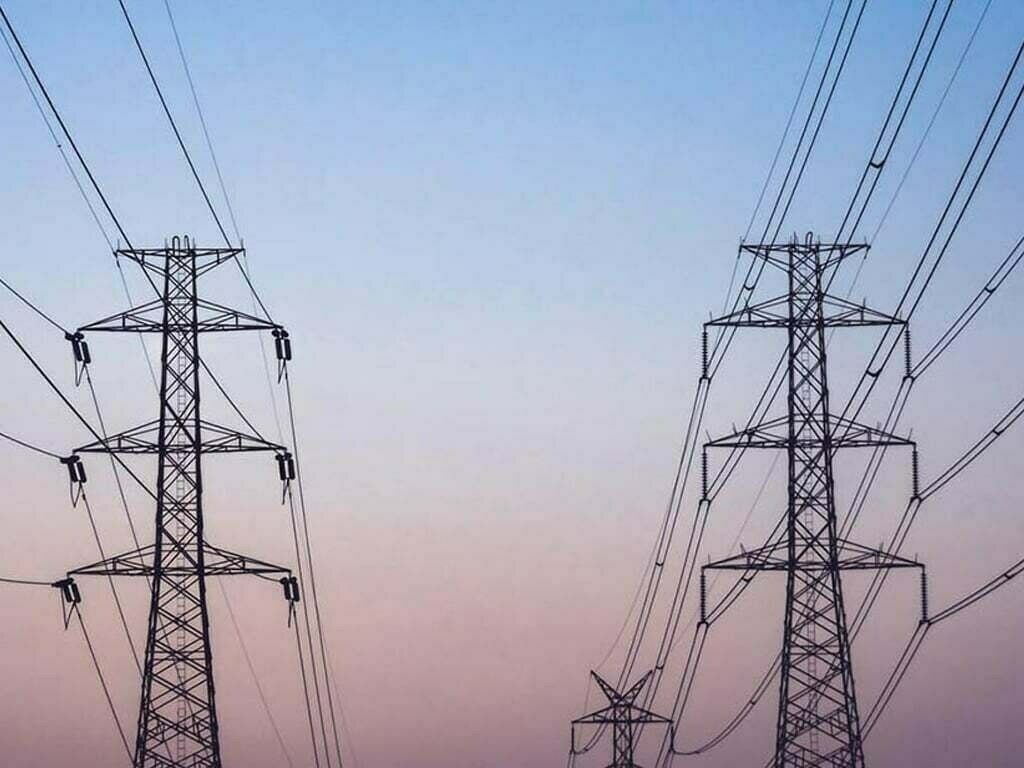
PESHAWAR, Sep 17 (APP): The operation of Peshawar Electric Supply Company (PESCO) against power theft was continued without any break and the officials of the PESCO teams conducted raids in different localities across Khyber Pakhtunkhwa to nip the people involved in power theft.

This was stated by CEO PESCO Qazi Muhammad Tahir while overseeing the operation himself here Sunday.

He disclosed that more than 2300 Kunda were removed and imposed Rs 9.85 million fines on those involved in kunda practice by using illegal electricity.

He said a total of 1877 requests have been sent for registration of FIRs against power thieves and more than 546 FIRs were registered against electricity thieves.

He said that several power thieves were arrested by the combined team of PESCO officials and Police on the spot and handed over to the Police for further action.

The PESCO users can report electricity theft by calling 118, he said, while requesting the general public in their respective areas in order to ensure continued electricity usage to genuine consumers.
APP/ijz/1355

KP govt refuses to pay Rs 1 bln for BRT funds

0
PESHAWAR, Sep 17 (APP):The Transport Department of Khyber Pakhtunkhwa (KP) government Sunday refused to pay Rs 1 billion for the BRT department, a letter sent by the Provincial Transport Department to the Secretary of Finance revealed here.
In a letter the Transport Department has sought Rs 1 billion from the Finance Department for BRT wherein the Finance Department releases Rs 66.24 million for BRT in 2022-23.
“Funds have been lapsed due to non-use money issued to run BRT,” the letter highlighted.
The Transport Department has also constituted an inquiry committee to investigate funds lapses. Besides reviewing the department has also requested to immediately release Rs1 billion for BRT to run its affairs without any break.

Police pioneers horse riding training course for enthusiastic citizens

0
IG Punjab
DG KHAN, Sep 17 (APP):Police unveiled an exciting opportunity for horse riding enthusiasts in the region by initiating a horse riding training course, open to all citizens.
In line with the visionary approach of IG Punjab, Dr Usman Anwar, the police have initiated a comprehensive programme and urged citizens to enjoy the course.
The course, hosted at Dera Ghazi Khan Police Lines, offers accessibility to both men and women, with an incredibly affordable fee of just Rs 5000 per month. To accommodate everyone’s schedules, morning and evening classes are available.
Equipped with ten high-breed horses, the police are dedicated to providing top-notch training facilities. Citizens interested in enrolling or seeking more information can contact the provided mobile number 0335-8852002.
The citizen can embrace this unique opportunity to master the art of horse riding under the guidance of the Dera Ghazi Khan Police, said official sources.

Reforms, rapprochement among institutions in political system must to strengthen democracy: Speakers

0

ISLAMABAD, Sep 17 (APP): The speakers at a seminar on democratic governance on Sunday said a paradigm shift based on reforms and rapprochement among the institutions forming the political system to strengthen democracy was a must to save the country from irrevocable crises.

The Centre for Peace and Development Initiatives (CPDI) organized a one-day seminar on “Democratic Governance for Peaceful and Inclusive Societies” which was held in connection with the upcoming International Day of Democracy.

Professor of Political Science, Lahore University University of Management Sciences (LUMS), Dr Muhammad Waseem in his keynote address said that there was a clash of institutions in the administrative troika that had weakened the Parliament whereas the latter was a microcosm of a society in different countries.

He added that the elected representatives in the Parliament reflected the society who were weaker and hence, the Parliament was becoming weak in the aftermath.

He regretted that the outgoing parliament led by the coalition government had passed an unprecedented number of bills in the shortest span of time which was horrendous as it left the lawmaking body inefficient in dispensing its duties.

Dr Waseem underlined that the process of electing representatives had shifted to the electable that belonged to the traditional elite symbolising the status quo.

He pointed out that the non-permanent parliament (in terms of tenure) was working along a permanent bureaucracy that left the legislator toothless, hence comprising its service delivery that was termed governance in the democratic system. Poor governance and weaker political institutions allow non-democratic actors to intervene which is detrimental to democracy, he added.

During the panel discussion titled Democratic Governance and Peace in Pakistan, CEO Vision 2047, Zafar Ullah Khan said that the previous regime of coalition parties tried to establish weak impediments through legislation against the Constitution that brewed the prevailing constitutional crisis.

He mentioned that the prevailing political scenario did not conform with the demography of the country. “We need to be pragmatic and realistic in our approach to promote democracy. I am hopeful that the citizens of Pakistan will reclaim their democracy whereas institutional reforms could help Parliament to reclaim its position.”

Former Parliamentary Secretary for Law and Justice, Mehnaz Akbar Aziz said that the role and representation of women parliamentarians was important as the situation had transitioned from mere representation to their performance in the Parliament.

She said that there was a need for reorganization of the political parties to ensure women’s inclusion at important decision-making fora like the National Security Council where they lacked representation.

She opined that youth engagement and listening to their demands was crucial to ensure inclusive and informed policy making.

Mehnaz Akbar Aziz added that the absence of local governments was also an impediment to the flourishing democracy in the country which needed to be reformed on modern lines.

President, PILDAT Ahmed Bilal Mehboob said at present there was a hybrid system prevailing in the country that comprised of democratic and non-democratic forces which was making democracy weaker in the country by every passing day.
He was of the view that in order to put an end to the prevailing uncertainty and political deterioration it was important to abolish this hybrid system and implement a pure democratic system with the input of the masses.

Senator Sana Jamali was of the view that there was no other solution than democracy for the country’s prevailing challenges as growing political intolerance, unemployment and economic crunch were scaling up at an alarming pace.

In his concluding remarks, Secretary General, HRCP, Harris Khalique said the country needed constitutional amendments and major reforms in key national institutions to ensure the inclusive strengthening of democracy in the country.

Earlier Executive Director, CPDI, Mukhtar Ahmed Ali delivered his welcome note and moderated the panel discussion.

Education, not armoury, to guarantee brighter future, say experts

0
Dr. Saeed Ahmad Ali
LAHORE, Sep 17 (APP):Experts believe education, and not armoury, could guarantee a brighter future for Pakistan.
They emphasise the critical importance of equipping our children’s minds with education, knowledge, and technological advancements to compete globally and achieve success. They stress that all children, particularly those who are most disadvantaged and deprived, must be enrolled in schools urgently to enhance Pakistan’s collective progress and improve education indicators in the country.
In the context of upholding children’s right to education, experts highlighted that the battles of the future will not be fought with tanks and artillery but with knowledge and education. Former Senator Sehar Kamran spoke with APP, emphasising the need for an ‘education emergency’ declaration and implementation of a National Action Plan on education to promote knowledge among all children across the country.
Sehar emphasised that our constitution guarantees free and compulsory education as a fundamental right for children aged 5-16 and stressed the importance of extending it to 18 years. She also underscored the pressing need to address gender disparities in education, especially in rural areas, through counseling, cultural awareness, and the provision of a secure environment.
Access to quality education, especially for children in remote areas, must be guaranteed, along with basic infrastructure facilities such as clean water and functional classrooms, according to Sehar.
Renowned educationist Professor Dr. Azmat Rubab from Lahore College for Women University (LCWU) highlighted the significance of improving teacher recruitment procedures, providing regular training, and offering competitive salary packages to attract and improve the quality and standards of education.
Dr. Rubab also stressed that financial barriers, such as high tuition fees, should not hinder a child’s access to education. Providing financial aid and scholarships to needy students is vital, as education is a right, not a privilege. Additionally, she emphasised the need to develop a curriculum that promotes critical thinking, tolerance, practical skills, and civic values.
To ensure every child’s right to education, the state must reflect its commitment in fund allocation at the preliminary level, ensuring that no child is left behind. Dr. Rubab called for equipping young minds for a brighter future.
A recent report from the UN Children’s Fund (UNICEF) and the World Bank revealed that one in six children globally survives on less than $2.15 a day, and the COVID-19 pandemic has hindered progress in eradicating extreme child poverty.
The report’s findings pose challenges to the UN’s goal of eradicating extreme child poverty by 2030, with a significant number of children in sub-Saharan Africa still living in extreme poverty.
UNICEF reported that Pakistan has the world’s second-highest number of out-of-school children, with 23 million children aged 5-16 not attending school, representing 44 per cent of the total population in this age group.
The report also highlighted significant disparities based on socioeconomic status, gender, and geography, with a high percentage of children, especially girls, out of school in remote areas of Sindh and Balochistan.
In response to these challenges, noted educationist and critic Professor Dr. Fakharul Haque Noori emphasized that UNICEF has supported the Government of Pakistan’s efforts to reduce the number of out-of-school children at all levels, focusing on Early Childhood Education (ECE), equitable and quality alternative learning pathways (ALP), and strengthening school-community linkages to reduce drop-outs and ensure education for all students.

PSF invites applications for participating in IJSO-2023 till September 18

0
ISLAMABAD, Sep 17 (APP):Pakistan Science Foundation (PSF) has invited applications from young Pakistani science students to participate in the upcoming exciting event of 20th International Junior Science Olympiad (IJSO- 2023) till September 18, the extended date.
According to the PSF, the 20th International Junior Science Olympiad is going to be held from 1st to 10th December 2023 at Bangkok, Thailand.
The interested students both boys and girls under 16-years of age on December 31, 2023 and passed SSC-I level/IX class or equivalent school education may send their applications on prescribed proforma available on PSF website www.psf.gov.pk.
Ac per the eligibility criteria, the applicant must be a regular science student in a public or private sector (Government recognized) institution having proficiency in written and spoken English.
The shortlisted candidates on the basis of educational credentials will be called for test and interview for their final selection. Six students will be selected for the said event while the decision of the panel of Scientists/ Experts will be final in this regard.
The PSF will bear the expenditure including registration, visa fee and air travel of selected students. Accommodation and local hospitality will be provided by the organizers.
The last date for receipt of application is September 18, 2023. Students already applied need not to apply again and can at adcaravanfu21@gmail.com for any queries.
International Junior Science Olympiad (IJSO) is a science competition for students under 16- years of age on December 31, 2023. The IJSO was established to promote interest in science among school students, exposing them to problem solving, critical thinking and experimentation.
Over the years, the IJSO aims to positively impact science and mathematics education at school level. IJSO is held in the first week of December of every year, in different countries.