SIALKOT, Oct 17 (APP):President of the Sialkot Chamber of Commerce and Industry (SCCI) Khawar Hussain Spall, along with Senior Vice President (SVP) Asad Naseer Malik and Vice President (VP) Chaudhry …


SIALKOT, Oct 17 (APP):President of the Sialkot Chamber of Commerce and Industry (SCCI) Khawar Hussain Spall, along with Senior Vice President (SVP) Asad Naseer Malik and Vice President (VP) Chaudhry …
SIALKOT, Oct 17 (APP):President of the Sialkot Chamber of Commerce and Industry (SCCI) Khawar Hussain Spall held a meeting with Branch Manager (AVP) of Faysal Bank Limited, Cantt Branch, Sialkot, …

KHANEWAL, Oct 17 (APP):At least three people, including a four-year-old child, were injured when a swarm of honeybees attacked people sitting outside a house in Chak 158/10-R of Jahanian tehsil. …

LAHORE, Oct 17 (APP):Punjab Chief Minister Maryam Nawaz Sharif has said her government was taking sustained and practical measures to eradicate poverty and improve the living standards of disadvantaged segments …
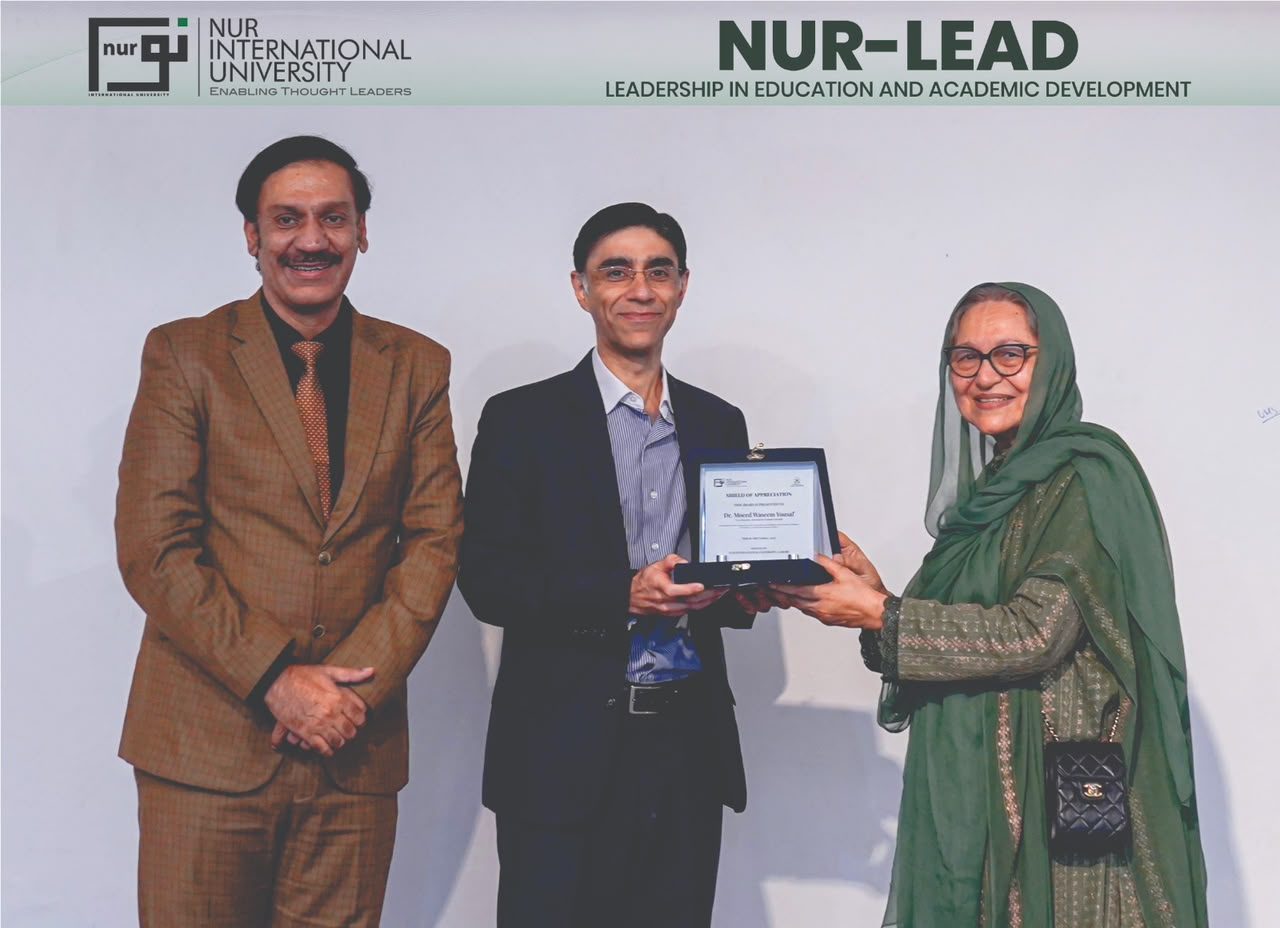
LAHORE, Oct 17 (APP):A five-day faculty development programme organized by the Institute of Faculty Development at NUR International University (NIU) concluded at Fatima Memorial Hospital here on Saturday. The move …

LAHORE, Oct 17 (APP):The Counter Terrorism Department (CTD) Punjab arrested eight suspected terrorists belonging to banned outfits during intelligence-based operations across the province, recovering explosives, hand grenades and other prohibited …

MULTAN, Oct 17 (APP):Pakistan Railways (PR) Chief Executive Officer Muhammad Hafeezullah has announced that the Bahauddin Zakariya Express and Musa Pak Express will receive new coaches within one-and-a-half months to …
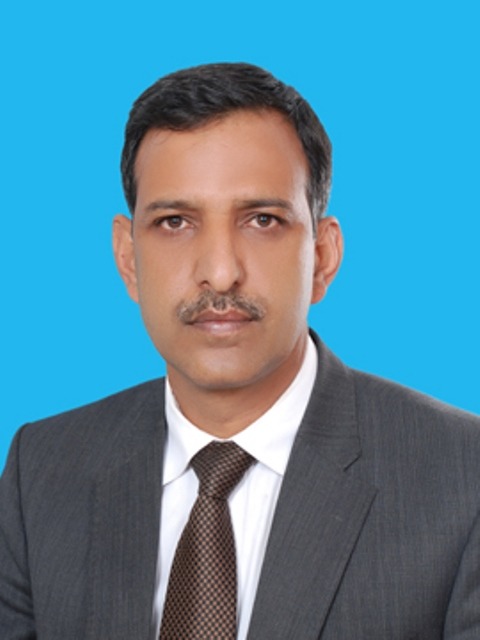
Hina Durrani ISLAMABAD, Oct 17 (APP):Deputy Programme Manager (DPM) UN-Habitat Pakistan Hamid Mumtaz Khan has said that Pakistan needs affordable, adequate and climate-resilient housing solutions to address its growing housing …

KARACHI, Oct 17 (APP):Pakistan Meteorological Department on Saturday forecast dry weather in most districts of the Sindh province during the next 24 hours. However, hot weather is predicted during day …

PESHAWAR, Oct 17 (APP):On the directives of the Governor of Khyber Pakhtunkhwa, Deputy Commissioner Peshawar Dr. Afaq Wazir spent the entire day with the bereaved families and distributed relief cheques …