Home Blog Page 105

WaterAid Pakistan Briefs Sindh Parliamentarians on Advancing GEDSI in WASH Governance

0
SUKKUR, Dec 19 (APP):WaterAid Pakistan convened a high-level briefing session for members of the Provincial Parliamentary Taskforce on Sustainable Development Goals (SDGs) at the Sindh Assembly, titled “Empowering Legislators to Champion Gender Equality, Disability and Social Inclusion (GEDSI) in WASH Governance,” said a release issued here on Friday.
The briefing aimed to orient parliamentarians on advancing GEDSI within WASH governance, strengthen legislative oversight, and build a shared understanding of inclusive WASH policies and services in Sindh.
Convenor Pir Mujeeb-ul- Haq emphasized legislators’ role in prioritizing inclusive policies, ensuring accountability, and advocating for budget allocations.
 Ms Raheema Panhwar highlighted objectives to strengthen parliamentarians’ understanding of GEDSI, promote inclusive legislation, and enhance leadership of women, adolescent girls, and persons with disabilities in WASH decision-making.
Ms Nighat Imdad presented WaterAid’s overview and Pakistan’s WASH statistics.
Ms. Panhwar presented WaterAid’s GEDSI approach, including accessibility audits, inclusive infrastructure, and women-led leadership.
The session discussed reviewing WASH policies, increasing legislative business, and advocating for budget allocations. PHED Secretary briefed on water supply schemes, while MPA Qasim Soomro stressed the need for coordinated WASH data and response.
The briefing concluded with a commitment to continue engagement, providing technical assistance for inclusive WASH policies and services, advancing equity and inclusion in Sindh’s WASH governance.

Pakistan urges UN not to be ‘selective’ in implementing resolutions, citing Kashmir & Palestine

0

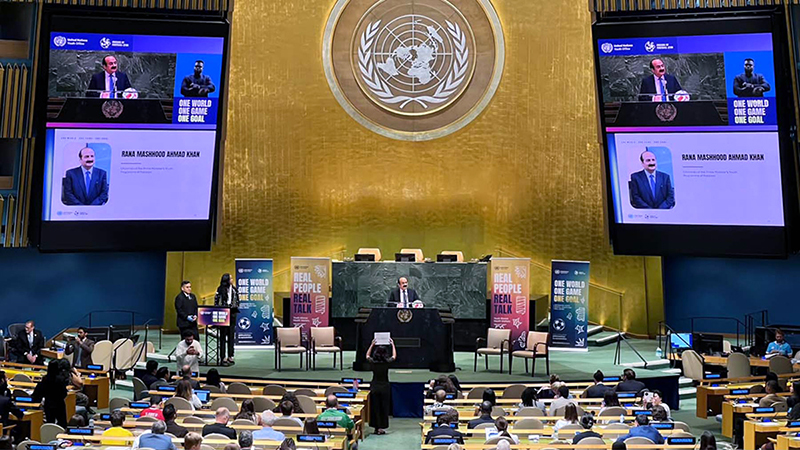
UITED NATIONS, Dec 19 (APP): The United Nations must ensure “non-selective” implementation of its resolutions and uphold international law without exception, a senior Pakistani diplomat said Thursday, as he highlighted Kashmir and Palestine where people have been denied their UN-promised right to self-determination.

“The realization of self-determination is not merely a historical aspiration; it is an enduring obligation,” Ambassador Usman Jadoon, deputy permanent representative of Pakistan to the UN, told the General Assembly marking the International Day Against Colonialism in All its Forms and Manifestations.

Implementation of the 1960 ‘Declaration on the Granting of Independence to Colonial Countries and Peoples’ and the decolonization agenda , he said, was not confined to Non-Self-Governing Territories alone, It also encompasses peoples living under alien occupation and foreign domination.

“The overarching objective, therefore, remains to ensure that all such peoples are enabled to exercise their inalienable right to self-determination,” Ambassador Jadoon added.

Referring to recent developments in the Middle East, the Pakistani envoy said that lasting peace cannot be achieved through the continued denial and suppression of the legitimate right to self-determination of the Palestinian people.

Similarly, he said, the UN Security Council has, through several resolutions, recognized the legitimate right of self-determination of the people of Jammu and Kashmir.

“A just resolution of the Jammu and Kashmir dispute remains central to the establishment of durable peace in South Asia”.

In conclusion, Ambassador Jadoon called for renewed international resolve to fully and unconditionally eradicate colonialism in all its forms and manifestations.

Data-driven,collaborative approaches vital for improving MNCH outcomes:Experts

0
LAHORE, Dec 19 (APP):Effective policy decisions and interventions for maternal, neonatal and child health (MNCH) depend on robust data systems and strong intersectoral collaboration, experts observed during a webinar hosted by the Punjab Healthcare Commission (PHC) on Friday.
The speakers noted that despite ongoing efforts, high maternal and neonatal mortality rates persist due to delayed care-seeking, weak referral systems, a shortage of skilled healthcare workers and socio-cultural barriers that limit access to quality healthcare services.
The webinar, titled “Supporting Data-Driven Interventions in MNCH through Peer Learning and Collaboration,” featured expert-led sessions covering maternal healthcare utilisation, community-level determinants of maternal and neonatal mortality, integrated strategies for reducing maternal deaths, the role of family physicians, neonatal survival approaches and emerging challenges such as antimicrobial resistance affecting child survival.
Participants proposed strengthening emergency obstetric and newborn care, expanding skilled birth attendance, implementing maternal death surveillance and response (MPDSR) mechanisms, empowering family physicians and adopting integrated, evidence-based strategies to improve MNCH outcomes. The need for reliable data systems and sustained investment in maternal and child health services was also emphasised.
PHC Commissioner Prof Dr Mahmood Shoukat chaired the session, while Additional Director Monitoring, Evaluation and Quality Assurance PHC Dr Huma Rasheed moderated the programme.
Representatives from UNICEF, the Directorate General of Health Services Punjab and the Institute of Public Health also attended the webinar.
In his opening remarks, PHC Chief Executive Officer Dr Muhammad Saqib Aziz stressed that reliable data and intersectoral collaboration are essential to guide effective MNCH policies. He said high mortality rates indicate gaps in service delivery, access and quality of care, which can only be addressed through evidence-based planning and targeted investments. He highlighted Punjab’s progress in health system strengthening through data-led initiatives such as EPI, DHIS and digital reporting platforms, and outlined PHC’s regulatory role in integrating MNCH standards, training healthcare providers and introducing mortality self-reporting mechanisms. He also flagged concerns over rising non-medically indicated caesarean sections.
Vice-Chancellor Nishtar Medical University Prof Dr Mehnaz Khakwani highlighted the urgent need for data-driven maternal health interventions in South Punjab. She noted that although Pakistan’s maternal mortality ratio has declined from 276 to 155 per 100,000 live births, it remains unacceptably high. She underscored the importance of strengthening emergency obstetric care, improving antenatal coverage, expanding skilled birth attendance and implementing MPDSR.
Prof Dr Muhammad Tayyab emphasised the critical role of family physicians in reducing maternal mortality through early risk identification, continuity of care and timely referrals. He said most maternal deaths—caused by haemorrhage, hypertension, infection, unsafe abortion and delays in decision-making and care were preventable through structured antenatal assessments and adherence to clinical guidelines aligned with PHC standards.
Speaking on national maternal mortality reduction efforts, Prof Dr Robina Sohail said that despite progress, Pakistan remains off track to achieve the Sustainable Development Goal (SDG) target of reducing maternal mortality to 70 per 100,000 live births by 2030. She stressed the expansion of skilled birth attendance, strengthening emergency obstetric and newborn care services and implementing integrated, data-driven strategies.
Prof Dr Khawaja Ahmad Irfan Waheed,addressing newborn health, highlighted Pakistan’s high neonatal mortality rate of 38 deaths per 1,000 live births with neonatal deaths accounting for 65 per cent of under-five mortality.
He said most neonatal deaths occur within the first week of life and are preventable through timely, low-cost interventions, calling for accelerated progress, robust data systems and sustained investment to meet SDG targets.
Concluding the session, Prof Dr Mahmood Shoukat urged stakeholders to avoid duplicating efforts and to adopt broader, innovative thinking in view of rapid population growth. He reaffirmed PHC’s commitment to promoting knowledge exchange and data-driven healthcare governance.
Director Clinical Governance PHC Dr Mushtaq Ahmed thanked the speakers and participants.
The webinar also invited abstract submissions, encouraging healthcare professionals and researchers to share evidence-based insights for future scientific engagements.

IRSA releases 75,600 cusecs water

0
ISLAMABAD, Dec 19 (APP):Indus River System Authority (IRSA) on Friday released 75,600 cusecs of water from various rim stations with inflow of 37,800 cusecs.
According to the data released by IRSA, the water level in the River Indus at Tarbela Dam stood at 1486.39 feet which was 84.39 feet higher than the dead level of 1402.00 feet. Water inflow and outflow in the dam were recorded as 18,900 cusecs and 27,000 cusecs, respectively.
The water level in the Jhelum River at Mangla Dam was 1202.40 feet, which was 152.40 feet higher than its dead level of 1,050 feet. The inflow and outflow of water were recorded as 3,300 cusecs and 33,000 cusecs respectively.
The release of water at Kalabagh, Taunsa, Guddu and Sukkur was recorded as 33,500, 24,500, 27,800, and 1,400 cusecs, respectively. Similarly, from River Kabul, a total of 7,700 cusecs of water was released at Nowshera, and 1,900 cusecs were released from River Chenab at Marala.

President welcomes UN experts’ findings; says India’s rogue behaviour can’t be allowed to persist

0
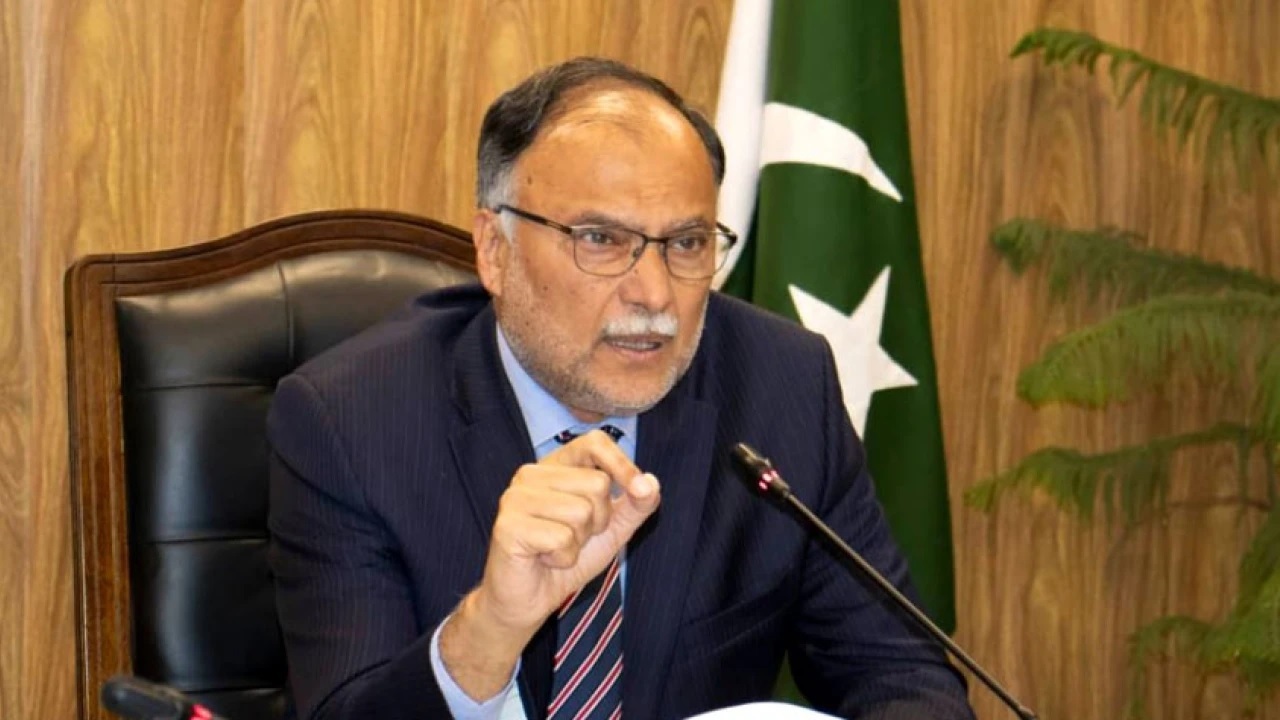
ISLAMABAD, Dec 19 (APP):President Asif Ali Zardari on Friday welcomed the report issued by United Nations human rights experts, which raised serious concerns over India’s military actions against Pakistan in May this year and its wider conduct affecting global peace and stability.
The president, in a statement, said the report reinforced Pakistan’s long-standing position that the unilateral use of force across international borders constituted a violation of the United Nations Charter and a grave breach of Pakistan’s sovereignty.
He said that the findings relating to civilian deaths, damage to populated areas and religious sites of Pakistan in May, and the heightened risk of escalation caused by India were deeply disturbing.
The president appreciated the report’s observations on India’s unilateral declaration of “holding in abeyance” its obligations under the Indus Waters Treaty, its aggressive posture and statements and the serious civilian losses resulting from Indian aggression.
He said the Treaty remained a binding international agreement and a cornerstone of regional stability, and stressed that bypassing agreed dispute-resolution mechanisms and actions affecting water flows violated Pakistan’s rights and risked creating serious human rights consequences.
President Zardari said the report also reflects growing international concerns over India’s conduct as a rogue state that increasingly acts as a global bully, relying on coercion, intimidation and the normalisation of force and violence rather than law and dialogue.
He noted that serious reports of transnational violence and targeted killings attributed to India, raised in multiple countries, pointed to a dangerous pattern that extended beyond the region and undermined global norms.
The president expressed concern that the report clearly manifested the irresponsible state behaviour of India.
“India has long stonewalled its minorities and ignored its commitments to international forums such as the United Nations, but this pattern of rogue behaviour cannot continue indefinitely,” he said, and underscored that such behaviour cannot be allowed to persist.
The president noted the report’s clear conclusion that international law did not recognise any separate right to unilateral military action under the pretext of counter-terrorism.
He said the affirmation of Pakistan’s inherent right to self-defence under international law highlighted the seriousness of the violations identified.
President Zardari welcomed the UN experts’ scrutiny of India’s regional conduct, including concerns relating to support for terror outfits and the use of an illegitimate Afghan government to advance hostile objectives and called for transparency and accountability in this regard.
He also welcomed the call by UN Special Rapporteurs for credible evidence, compensation for civilian losses, adherence to treaty obligations and a commitment to peaceful dialogue, including on Jammu and Kashmir.
Reaffirming Pakistan’s commitment to peace, restraint and respect for international law, the president said Pakistan would continue to pursue diplomatic and legal avenues to safeguard its sovereignty, protect the rights of its people and promote stability in the region.

PFA launches crackdown against health-threatening elements

0
CHINIOT, Dec 19 (APP):Additional Director, Operations, Punjab Food Authority (PFA) Faisalabad Division, Imtiaz Hussain along with Deputy Director Operations Dr. Muhammad Qasim Raza and food safety teams on Friday conducted a full-scale crackdown against health-threatening elements.
During the operation, a detailed inspection was conducted of the agricultural area cultivated with sewage water on Jhang-Faisalabad Bypass Road. Under the leadership of the Additional Director Operations, the spinach and cabbage crops cultivated with sewage water on an area more than five acres were plowed and destroyed.
On this occasion, Additional Director Operations Imtiaz Hussain said that vegetables grown with sewage water were no less than poison for human health and such elements did not deserve any concession.
He clarified that in the light of the vision of Punjab Chief Minister, Maryam Nawaz Sharif and the orders of DG Punjab Food Authority Muhammad Asim Javed, indiscriminate action would continue against health-threatening elements.
Later, the Additional Director Operations along with Deputy Director Operations Punjab Food Authority Chiniot also inspected a well-known restaurant located in Chenab Nagar.
 During the inspection, poor sanitation and food storage arrangements were revealed besides inappropriate measures were also found to control pests.
A fine of Rs 100,000 was imposed on the restaurant for violating the prevailing food laws.
On this occasion, the Additional Director Operations  said that no compromise would be made on the health of the public and actions against health-threatening elements would continue in the future.

Seven land dispute cases resolved

0
GUJRAT, Dec 19 (APP):A meeting of the Dispute Resolution Committee (DRC) was held on Friday under the Punjab Protection of Ownership of Immovable Property Ordinance 2025.
According to a spokesperson,chaired by Deputy Commissioner(DC) Noor-ul-Ain Qureshi,the meeting addressed seven land dispute cases.The committee successfully retrieved land from illegal possession and returned it to its rightful owners.
DC Qureshi stressed the district administration’s commitment to protecting property rights and resolving land disputes swiftly and in accordance with the law.

PM Shehbaz stresses expanding trade, investment ties with Australia

0

ISLAMABAD, Dec 19 (APP): Prime Minister Shehbaz Sharif on Friday welcoming the positive trajectory of Pakistan-Australia relations, underscored the need for expanding bilateral trade and investment, with the agriculture and livestock sectors being promising areas for enhanced cooperation.

The prime minister, in a meeting with the newly appointed Australian High Commissioner in Islamabad Tim Kane, who paid a courtesy call on him, also welcomed Australian interest in the mining and minerals sector, citing Reko-Diq as a shining example of Pakistan’s enormous potential in the sector.

The prime minister felicitated the high commissioner on his appointment and expressed confidence that his tenure would help further strengthen the long-standing and friendly relations between Pakistan and Australia.

Prime Minister Shehbaz conveyed deepest condolences over the tragic loss of innocent lives in the terrorist shooting at Bondi Beach, Sydney, on December 14, and said that Pakistan unequivocally condemned that cowardly act of terrorism.

While reaffirming Pakistan’s solidarity with Australia in its hour of grief, he emphasized that terrorism had no religion and that must be condemned in all forms and manifestations, and collective action must be taken to eradicate the menace.

Prime Minister Shehbaz also lauded the valuable contribution of the vibrant Pakistani diaspora in Australia, which served as a vital bridge between the two nations.

He noted that both Pakistan and Australia, enjoyed strong people-to-people linkages, and cultural ties, underpinned by their shared passion for cricket.

The prime minister conveyed his warm regards and greetings to the Australian leadership and said that he looked forward to working with them to build stronger ties between the two countries.

Ambassador Tim Kane thanked the prime minister for the warm welcome and expressed Australia’s keen desire to work towards further enhancing Pakistan–Australia relations across all areas of mutual interest.

Deputy Prime Minister and Foreign Minister Senator Mohammad Ishaq Dar, Special Assistant to PM Tariq Fatemi and Foreign Secretary Amna Baloch also attended the meeting.

Training workshop on Conflict Reporting for Journalists of NMDs held

0
PESHAWAR, Dec 19 (APP):Trust for Democratic Education and Accountability (TDEA) organized a two-day training workshop on Conflict Reporting for male and female journalists from the merged districts, aimed at enhancing professional skills and ethical reporting in sensitive situations.
Renowned media trainers Raza Hamdani, Shehzad Anwar, and Farrukh Tanveer conducted detailed sessions during the workshop.
They discussed key aspects of conflict-sensitive journalism, safety of journalists, balanced reporting, verification of information, and the role of media in promoting peace and social cohesion in conflict-affected areas.
The trainers emphasized responsible reporting, avoidance of sensationalism, and the importance of understanding local dynamics while covering conflicts in the merged districts.
The trainers also stressed the need for gender-sensitive reporting and inclusion of diverse voices while covering conflict-related stories from the newly merged districts.
They said that responsible journalism can help counter misinformation, build public trust, and contribute positively to peacebuilding efforts by presenting facts with accuracy, context, and empathy.
Director RTI, Sadat Jahan, also delivered a special lecture highlighting the effective use of the Right to Information (RTI) law for obtaining authentic data and producing fact-based, accurate news reports. He encouraged journalists to utilize RTI as a powerful tool for transparency and accountability.
During the two-day workshop, participants actively engaged in interactive discussions, group exercises, and practical case studies related to conflict reporting. Journalists shared their field experiences and challenges faced while reporting from sensitive areas, making the sessions more insightful and practical.
At the conclusion of the workshop, TDEA organizer Khalfan Khattak, along with Sadat Jahan, distributed certificates among the participants.
 They appreciated the active participation of journalists and reaffirmed TDEA’s commitment to strengthening democratic values and professional journalism through capacity-building initiatives.

India’s weaponization of water could trigger humanitarian crisis in Pakistan: Dar

0

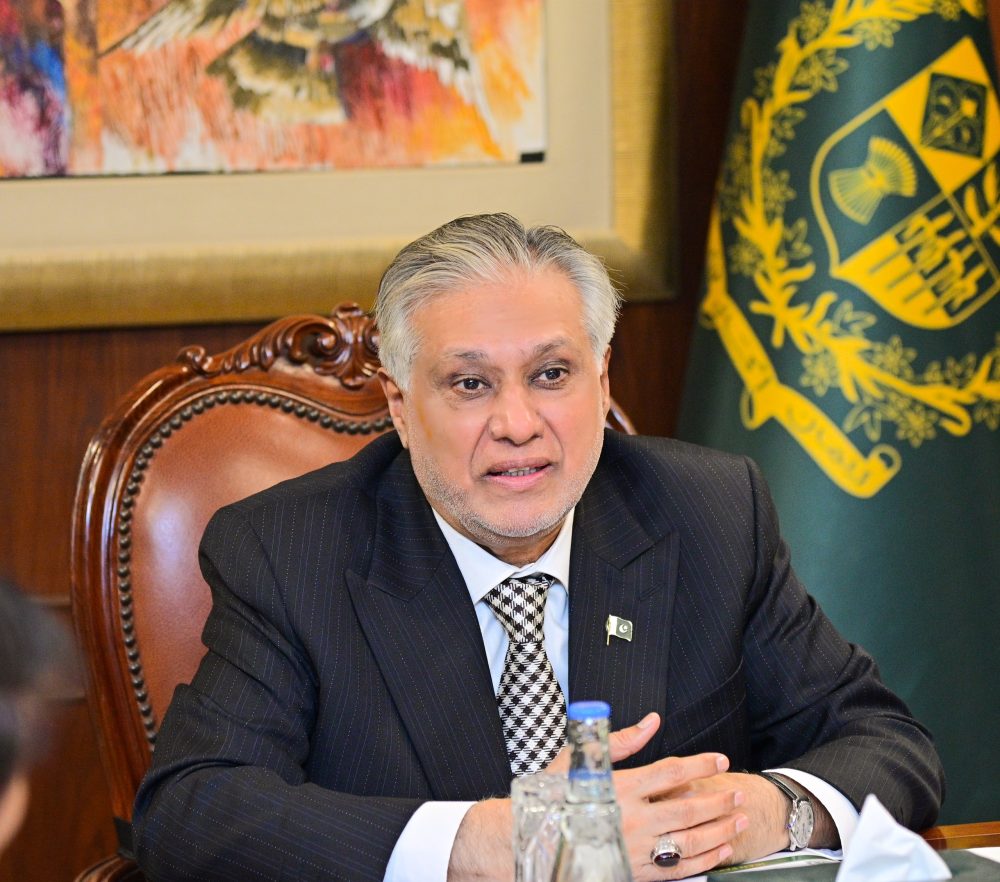
ISLAMABAD, Dec 19 (APP): Deputy Prime Minister and Foreign Minister Senator Ishaq Dar on Friday said that India’s unlawful and unilateral abeyance of the Indus Waters Treaty (IWT) clearly exemplified the weaponization of water, which had all the potential to trigger a humanitarian crisis in Pakistan.

The deputy prime minister, addressing the members of the diplomatic corps here, expressed serious concerns over the “unusual and abrupt” variations and unilateral release of water in the River Chenab by India twice this year during April 30 to May 21, 2025 and in the past week from December 7 to 15.

“India’s manipulation of water, at a critical time of our agriculture cycle, directly threatens the lives and livelihoods, as well as food and economic security of our citizens…Such illegal and irresponsible Indian conduct has all the potential to trigger a humanitarian crisis in Pakistan,” Dar said.

He told the diplomatic community that India had also halted sharing advance information, hydrological data, and joint oversight required by the Treaty, which had exposed Pakistan to floods and droughts.

Highlighting India’s unilateral abeyance of the Treaty in gross contravention of international law, especially Article 26 of the Vienna Convention on the Law of Treaties, the deputy prime minister said that Pakistan was currently witnessing “material breaches” by India striking at the heart of the IWT with escalating consequences both for regional stability and sanctity of international law.

He said that India had released water without any prior notification or any data or information sharing with Pakistan, as required under the treaty.

“India’s manipulation of water has prompted our Indus Water Commissioner to write a letter to his Indian counterpart seeking clarification on the matter, as provided for under the Indus Waters Treaty (IWT), asking India to respond to the queries and refrain from any unilateral manipulations of river flows.

Ishaq Dar said that India had consistently attempted to undermine the Treaty in a systemic manner, by constructing hydropower projects such as Kishanganga and Ratle in violation of IWT’s technical specifications.

“India continues to build illegal dams in sheer disregard of the Treaty obligations, to impose ‘fait accompli.’ With building of dams, Indian capacity to store and manipulate water is also increasing, which endangers Pakistan’s security, economy and livelihood of 240 million people of Pakistan.”

He said that allowing India to violate Treaty obligations with impunity would set a dangerous precedent as the country was subverting the Treaty’s own dispute resolution mechanism by refusing to participate in the Court of Arbitration and Neutral Expert Proceedings.

The deputy prime minister highlighted that IWT was a binding legal instrument and any unilateral violation would threaten the inviolability of international treaties and pose serious threats to regional peace and security, principles of good neighborliness and norms that govern inter-state relations.

He said that Permanent Court of Arbitration, in its recent decisions of June and August 2025, reaffirmed the continuing validity of the IWT and its binding dispute-resolution mechanisms.

“These rulings leave no ambiguity. The Indus Waters Treaty is alive, and its provisions remain binding on the parties. Indian impunity must not be accepted by the international community.”

Dar reiterated that Pakistan’s National Security Committee had declared that any attempt to stop or divert the flow of water to Pakistan under the Treaty would be considered as an “Act of War”.

He urged the international community to take notice of India’s continued disregard of a bilateral treaty and counsel India to act responsibly in accordance with international law and established norms.

He said that the belligerent statements coming from the Indian leadership clearly demonstrated Indian intentions and designs to weaponize water aimed at inflicting harm on Pakistan, which was also repeatedly conveyed to the UN Security Council, UN Secretary General as well as the President of the UN General Assembly to play their due role.

“Let me reassure you that Pakistan remains committed to peaceful resolution of disputes and issues with India, but will not compromise on the existential water rights of its people,” he said.

The deputy prime minister urged the international community, especially the UN Security Council members, to take immediate steps to address this situation and call on India for the immediate restoration of the Treaty, stop weaponization of water, uphold international law and treaty obligations, and refrain from undermining peace and stability of South Asia.