ISLAMABAD, Jan 19 (APP):Pakistan’s efforts to localize ginger production have taken another step forward as the Zarai Taraqiati Bank Limited (ZTBL) demonstrated a low-cost cultivation model that replaces expensive shade tunnels and drip irrigation with olive tree shade and simple furrow irrigation. “The demonstration at ZTBL’s farm at Margalla Town in Islamabad shows that ginger can be grown in open fields under the natural shade of olive trees, enabling farmers …
ZTBL demonstrates low-cost ginger cultivation model under olive trees
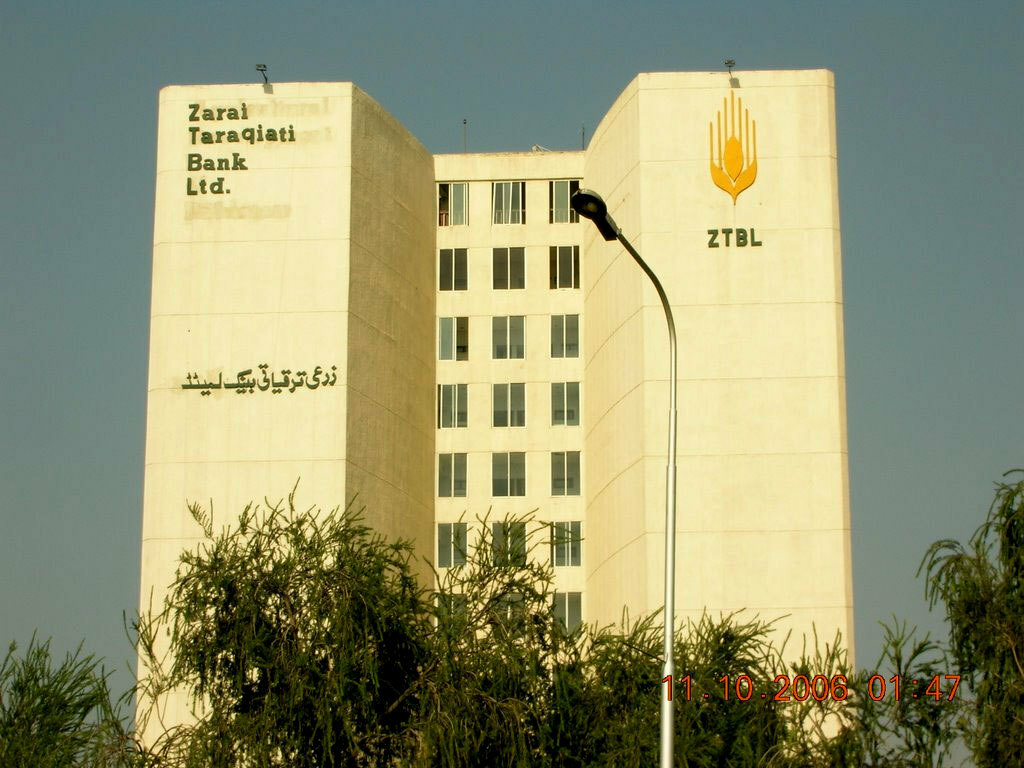
ISLAMABAD, Jan 19 (APP):Pakistan’s efforts to localize ginger production have taken another step forward as the Zarai Taraqiati Bank Limited (ZTBL) demonstrated a low-cost cultivation model that replaces expensive shade tunnels and drip irrigation with olive tree shade and simple furrow irrigation.
“The demonstration at ZTBL’s farm at Margalla Town in Islamabad shows that ginger can be grown in open fields under the natural shade of olive trees, enabling farmers to produce two crops from the same land while significantly reducing input costs,” Mohammad Kashif, Assistant Vice-President and Subject Specialist Horticulture at ZTBL, told Wealth Pakistan.
Ginger is a high-value crop, and ZTBL wants to introduce its cultivation to farmers through a practical, low-cost model, he said. “Unlike previous efforts that relied on net-shaded tunnels, this model works in open fields by utilizing olive shade.”
About 700 ginger plants were established in the trial and successfully harvested last week.
Pakistan currently imports all of its ginger, amounting to about $60 million, and large-scale domestic cultivation remains limited.
Kashif said farmer awareness was essential, adding that ZTBL’s initiative builds on guidance from progressive farmers Amir Shehzad and Qasim Nishtar, with advisory support from the Ayub Agricultural Research Institute, Faisalabad.
The model is designed for the Potohar Valley, where olive orchards are widespread. Ginger, a shade-loving crop, is planted beneath evergreen olive trees, allowing farmers to harvest ginger alongside olives from the same field. Kashif said, “This approach addresses the problem of blocked farm income, as olives are harvested only once a year.”
Instead of drip irrigation, ZTBL’s trial used furrow irrigation to maintain soil moisture while preventing waterlogging. Drainage channels remove excess rainwater to reduce the risk of fungal disease, he said.
The ginger cultivated at the site is a Thai variety. Kashif described the trial as successful and called it an innovative model for the Potohar region, urging olive growers to adopt it to maximize land use and returns.
ZTBL plans to support the expansion of ginger cultivation through financing. Kashif said the bank intends to prepare a feasibility study and work towards declaring ginger a loanable crop to provide farmers with access to credit. “Our main motto is to provide innovative technology to farmers through financial support,” he said.
He added that the model lowers costs by eliminating the need for tunnels, as olive trees provide year-round shade, and by avoiding drip irrigation.
Ginger is planted in May and harvested after nearly a year, with plants remaining healthy through the growing cycle. Ginger’s natural resistance to pests further reduces expenses, with organic treatments used when necessary.
Addressing land and water constraints in Potohar, Kashif said ginger requires limited water and delivers higher returns from smaller plots. “Farmers with little land and water can earn more by growing ginger in a compact area than by cultivating traditional crops on larger acreage,” he said.